Get your free personalized podcast brief
We scan new podcasts and send you the top 5 insights daily.
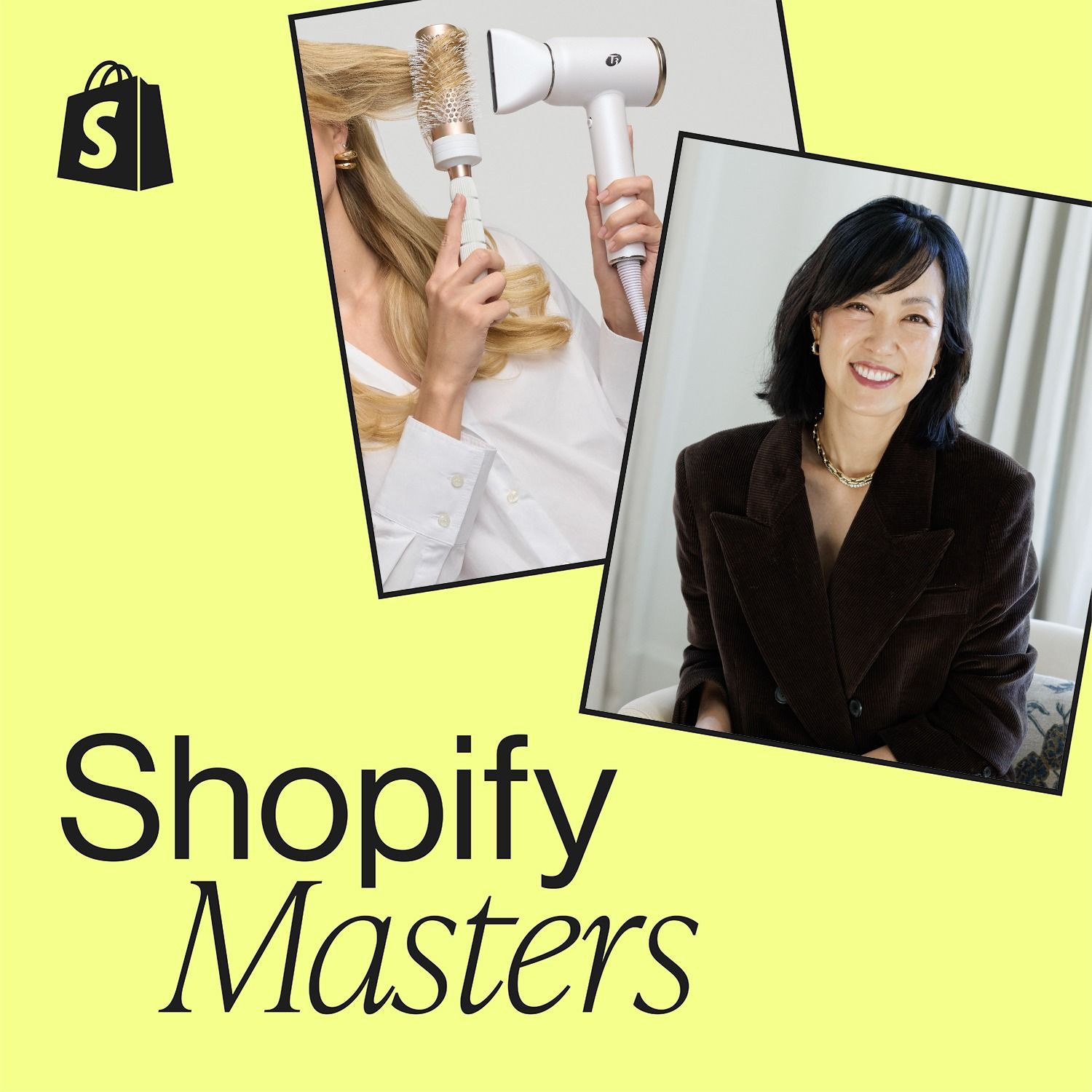
T3's founder knew a beautiful product would attract female consumers, comparing it to buying a laptop simply because it was pink. However, she stresses that aesthetic appeal is not enough for long-term success. If the beautifully designed product didn't deliver superior performance and results, the brand wouldn't have survived for 20 years.
Related Insights
When building a brand, differentiate between long-term and short-term elements. The core purpose and emotional connection should be enduring. In contrast, functional and experiential benefits must be constantly refreshed to remain relevant as markets and consumer tastes evolve.
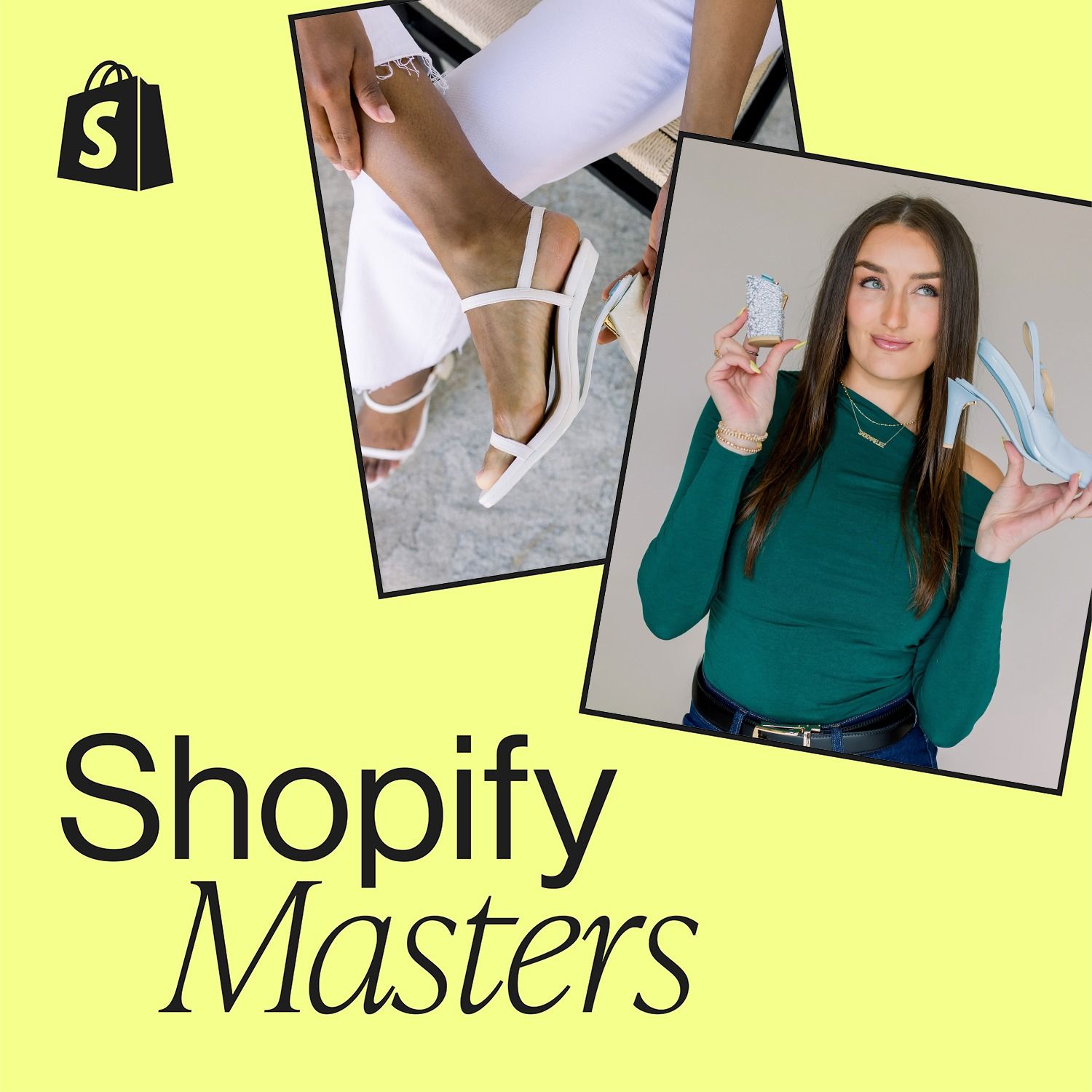
The founder understood that women wear heels for the look, despite the pain. Any comfort-focused innovation that compromised on aesthetics would fail. The product had to be a "perfect dupe" for a traditional heel to solve the actual problem, not just create a "weird looking shoe."
True differentiation comes from "deep delight," where emotional needs are addressed within the core functional solution. This is distinct from "surface delight" like animations or confetti, which are nice but fail to build the strong emotional connections that drive loyalty.

Product 'taste' is often narrowly defined as aesthetics. A better analogy is a restaurant: great food (visuals) is necessary but not sufficient. Taste encompasses the entire end-to-end user journey, from being greeted at the door to paying the check. Every interaction must feel crafted and delightful.

When Sephora first approached T3, their request was to create a Sephora-branded hair dryer. Despite being a young, bootstrapped company, T3 declined the white-label opportunity. They insisted on selling under their own brand name, a crucial decision that allowed them to build long-term brand equity instead of becoming a disposable supplier.
For sophisticated consumers, branding based on unsubstantiated luxury materials can create skepticism. A marketing message focused on scientific proof, tangible benefits, and performance can be more compelling and build greater trust, especially for a high-price-point product.

T3 redefined the hair tool category by moving its products from the home appliance section to the beauty floor. By insisting on placement next to high-end skincare and cosmetics in retailers like Nordstrom, they changed consumer perception, justified a premium price, and created an entirely new market segment.
In a crowded market, brand is defined by the product experience, not marketing campaigns. Every interaction must evoke the intended brand feeling (e.g., "lovable"). This transforms brand into a core product responsibility and creates a powerful, defensible moat that activates word-of-mouth and differentiates you from competitors.

Most companies complete the first 80% of brand work (logo, colors, tagline). Truly great brands are defined by the last 20%: obsessively aligning every detail, from employee headphones to event swag, with the core identity. This final polish is what customers actually notice and remember.

Gymshark's key product differentiator wasn't just performance, but aesthetics. They obsessed over creating 'physique accentuating' fits that made customers look and feel better. This tapped into the core emotional motivation of their gym-going audience, creating a stronger brand connection than purely functional apparel.