Get your free personalized podcast brief
We scan new podcasts and send you the top 5 insights daily.
De Soi's initial abstract product names (e.g., "Champignon Dreams") were polarizing and confusing. Switching to familiar cocktail names like "Mule" and "Margarita" made the products easier for consumers to understand and purchase, leading to a 2x increase in sales for the new line.

Related Insights
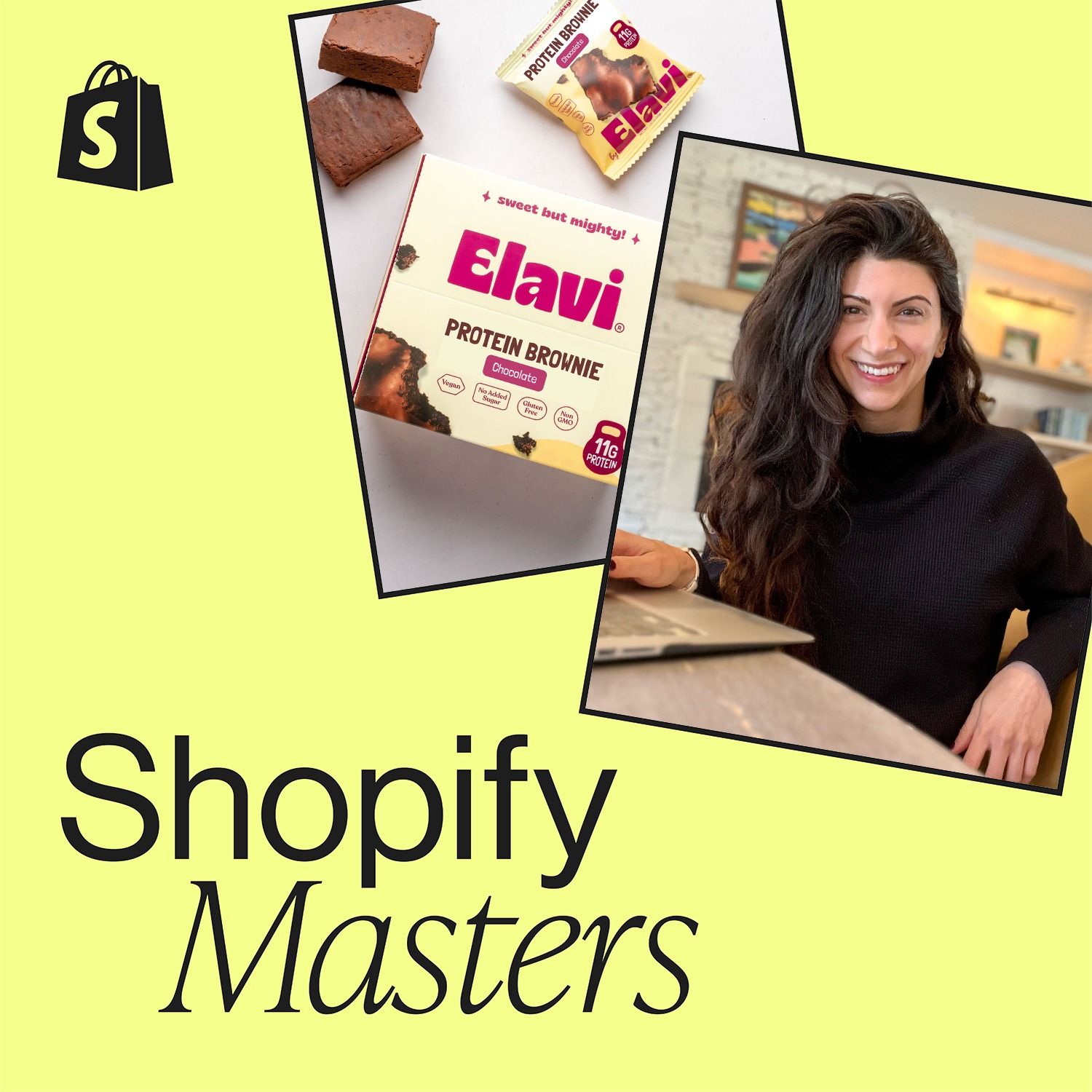
Alave made a bold packaging decision: making the product type (“Protein Brownie”) the main focus, not the brand logo. They gambled that in the split-second a customer looks at a shelf, clearly communicating *what* the product is proves more effective for a new brand than establishing *who* they are. The strategy crushed.
Labeling a product 'Sold Out' instead of 'Out of Stock' or 'Unavailable' reduces customer irritation by 15%. 'Sold Out' implies popularity and high demand (social proof), whereas 'Out of Stock' suggests logistical failure and company ineptitude. This simple, costless language change reframes the entire situation.

Your team's internal names for features often confuse customers. Systematically harvest the exact words customers use to describe outcomes during sales or support calls and use that language to rename features. This self-identifying language, used by Apple (e.g., "AirDrop," "Retina Display"), makes products instantly understandable.

The company was almost named "Delicious Designs," a generic name. The breakthrough came when they realized their simple, descriptive tagline, "The Edible Arrangement," was the most powerful and memorable name because it clearly communicated the product's value proposition.

A study found that ambient noise significantly slows cognitive development. This insight can be used to rebrand a commodity like earplugs. By positioning them as "Study Ears"—a tool for better memory and focus, not just noise blocking—you can create an entirely new product category with strong marketing hooks.

Businesses often fail by selling a generic category instead of specific experiences. A restaurant doesn't just sell "food"; it sells a bar experience, a tasting menu, and private events. By explicitly defining and selling these offerings upfront, businesses can match customers to value and significantly boost revenue.
![Nick Kokonas - Know What You Are Selling - [Invest Like The Best, REPLAY] thumbnail](https://megaphone.imgix.net/podcasts/c7f11b7e-e516-11f0-8700-239aa8e47bb9/image/552faf7d658b75e441e80eef4cf6b0b3.jpg?ixlib=rails-4.3.1&max-w=3000&max-h=3000&fit=crop&auto=format,compress)
Instead of general marketing, spirits brand Suyo Pisco was advised to deploy a team of "ambassadors" to bars. Their job is to loudly and clearly order a "Suyo Tonic," creating organic curiosity from other patrons and normalizing the brand-specific call-out, effectively creating demand from the ground up.
When entering the market, La Colombe's wholesale price was over five times the standard rate. They overcame price objections from chefs by reframing coffee not as a commodity beverage, but as a high-quality "spice," an essential ingredient where quality dictates the price.
For a spirit like Pisco, which is unfamiliar to most U.S. consumers, Suyo should focus marketing on its brand name first. The goal is for "Suyo" to become synonymous with Pisco, much like Patrón became for tequila, rather than trying to educate the market on the entire category.
If your product category becomes commoditized, redefine your business around your core expertise. A kombucha maker isn't just selling a drink; they are in the 'probiotics' or 'gut health' business. This strategic reframing can unlock higher-margin opportunities like consulting and R&D.