Get your free personalized podcast brief
We scan new podcasts and send you the top 5 insights daily.
Instead of general marketing, spirits brand Suyo Pisco was advised to deploy a team of "ambassadors" to bars. Their job is to loudly and clearly order a "Suyo Tonic," creating organic curiosity from other patrons and normalizing the brand-specific call-out, effectively creating demand from the ground up.

Related Insights
Despite beverages being a category people rarely buy online, Breeze generated tens of millions in DTC sales. This built a huge base of customers who preferred to buy in-store, creating a powerful demand flywheel. When Breeze launched in retail, it sold four months of inventory in two weeks.

To get C-suite buy-in for long-term brand investment, marketers should run small, ring-fenced test campaigns. By isolating a market segment and layering brand tactics on top of demand generation, you can demonstrably prove superior growth compared to a control group, de-risking a larger investment.

By empowering ambassadors to host local events, Outdoor Voices turned passive fans into active co-owners. This gave events authentic authorship, making them more powerful for attendees and creating a self-perpetuating flywheel of community growth and brand loyalty.

Social proof is more powerful when consumers believe they've discovered a trend themselves. Aperol’s distinctive color and glassware make it highly visible in a bar, creating the illusion of popularity. Similarly, J2O's slightly-too-large bottle forced pubs to serve it alongside the glass, turning a private choice into a public statement and fueling its growth.

Instead of running sterile, price-focused promotions, Ally first launches a creative, on-brand campaign to build cultural momentum. The performance-driving incentive is then introduced later, making the entire effort brand-accretive rather than brand-dilutive.

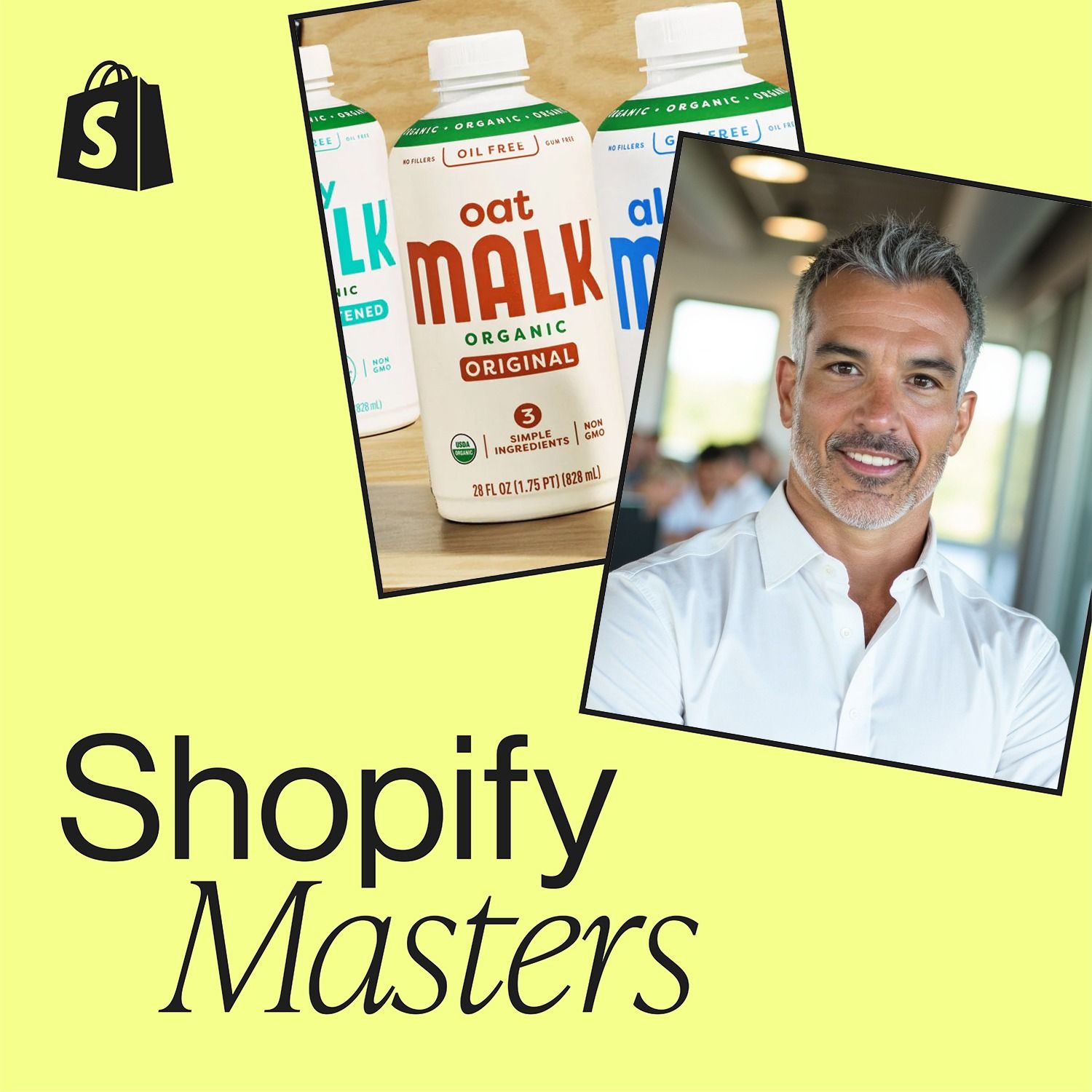
Malk's Erewhon smoothie partnership is a dual-purpose initiative. It generates direct revenue from product sales within Erewhon stores, providing a tangible ROI floor. This sales component de-risks the harder-to-measure brand awareness benefit from social media fame, making "gut feel" marketing decisions easier to justify and assess.
For a spirit like Pisco, which is unfamiliar to most U.S. consumers, Suyo should focus marketing on its brand name first. The goal is for "Suyo" to become synonymous with Pisco, much like Patrón became for tequila, rather than trying to educate the market on the entire category.
Gamma’s founder personally onboarded early influencers, walking them through the product and brainstorming hooks. This investment treats influencers as extensions of the team, not just a media buy, fostering genuine understanding and authentic promotion in their own voice.

Instead of sticking to planned marketing for a new burger, Chili's social team noticed an organic TikTok trend around their Triple Dipper appetizer. By "pouring gas on the fire" with influencers, they turned a fan-driven behavior into a massive growth driver, proving the value of marketing agility.

Placing products in non-traditional venues like hotels or airports serves as a powerful discovery and sampling mechanism. This builds brand familiarity and trial, creating a flywheel effect where customers later recognize and purchase the product in traditional retail stores, boosting sales.
