Get your free personalized podcast brief
We scan new podcasts and send you the top 5 insights daily.
The company was almost named "Delicious Designs," a generic name. The breakthrough came when they realized their simple, descriptive tagline, "The Edible Arrangement," was the most powerful and memorable name because it clearly communicated the product's value proposition.

Related Insights
A well-developed brand with distinct colors, fonts, mascots, or taglines gives marketers tangible assets to build creative campaigns around. This makes marketing smoother and more effective, avoiding the difficulty of promoting a generic or "plain" company identity.

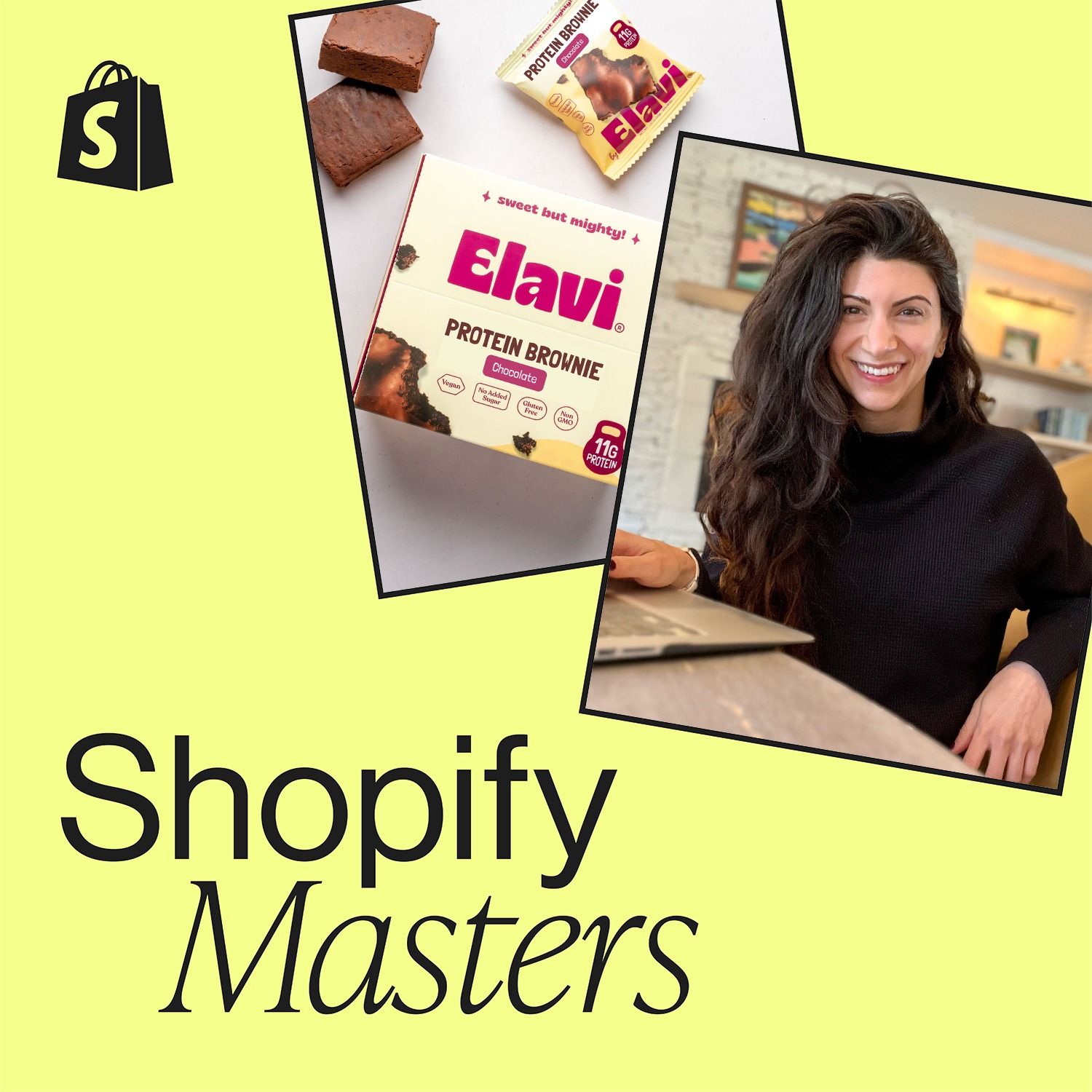
Alave made a bold packaging decision: making the product type (“Protein Brownie”) the main focus, not the brand logo. They gambled that in the split-second a customer looks at a shelf, clearly communicating *what* the product is proves more effective for a new brand than establishing *who* they are. The strategy crushed.
Defaulting to an uninspired name and logo (e.g., a family name with a roof icon) puts a business at an immediate disadvantage. In a saturated market, a unique brand is not a luxury but a foundational tool that provides marketing lift and prevents you from getting lost in the noise.

A business with a generic name, boring logo, and no personality is just a "company" and will always struggle to charge more. Building a memorable "brand" signals seriousness and investment, allowing you to stand out and justify a higher price point.

To name a brand effectively, first define the core emotional concept you want to convey. Founder Eric Ryan uses a 'jumping off word' to anchor the process. For his vitamin brand Olly, the word was 'friendly,' which provided a clear creative brief for an otherwise difficult task.

Abstract technical specs like "5 gigabytes of storage" are far less memorable than concrete phrases that create a mental image. Research shows people are four times more likely to recall concrete terms (like "white horse") than abstract ones. Effective taglines allow the customer to visualize the benefit.

Most companies complete the first 80% of brand work (logo, colors, tagline). Truly great brands are defined by the last 20%: obsessively aligning every detail, from employee headphones to event swag, with the core identity. This final polish is what customers actually notice and remember.

Adam White credits his company's success to its expansive name over his original, narrow idea, "Executive Report." A broader brand identity allowed for expansion into various verticals and sounded more appealing, which a niche, descriptive name would have constrained from the start.

For need-based services like home repair, customers only look when a problem arises. The goal of branding isn't just to be noticed in a sea of ads, but to be the first name that comes to mind when that need occurs. Memorability, often achieved through mascots or taglines, trumps fleeting attention.
John Morgan deliberately chose 'forthepeople.com' because it also perfectly encapsulated his firm's mission and brand slogan. This strategy ensures every ad reinforces the core brand message, consolidating the URL, brand, and mission into a single, powerful, and easily remembered concept that never needs to be said twice.