Get your free personalized podcast brief
We scan new podcasts and send you the top 5 insights daily.
When entering the market, La Colombe's wholesale price was over five times the standard rate. They overcame price objections from chefs by reframing coffee not as a commodity beverage, but as a high-quality "spice," an essential ingredient where quality dictates the price.

Related Insights
To land their first account, the founders walked into the kitchen of the nation's #1 restaurant, uninvited, and prepared their coffee directly for the demanding chef. The product's quality spoke for itself, securing the deal on the spot and creating immediate industry buzz.
To combat price objections, artisan cheese expert Adam Moskowitz reframes his product not as expensive, but as valuable. The superior flavor-per-bite of quality cheese provides more intrinsic value than cheaper, mass-market alternatives that primarily offer a generic 'creamy' texture.

A woodworker reframed a transaction from buying a finished product to a collaborative building experience. This shift completely altered the customer's value perception, leading him to happily pay 30% more than the original high-priced item for an imperfect, co-created result.

Struggling to get retail distribution, Carbone's pasta sauce doubled its price to $7-$11. This premium strategy transformed its pitch to retailers: instead of earning cents per jar, stores could now make over $2. This created a powerful financial incentive for retailers to stock the new, high-margin product.

A coffee brand struggling to compete with other roasters was advised to reposition itself within the multi-billion dollar wedding gift industry. By targeting a different use case and customer (bridal registries), the commoditized product gains a unique and defensible niche.
Customers don't care about your P&L or that a competitor is a "side hustle." To justify a higher price, you must clearly communicate tangible benefits like better organization, time savings, or superior staff, which directly improve their experience.

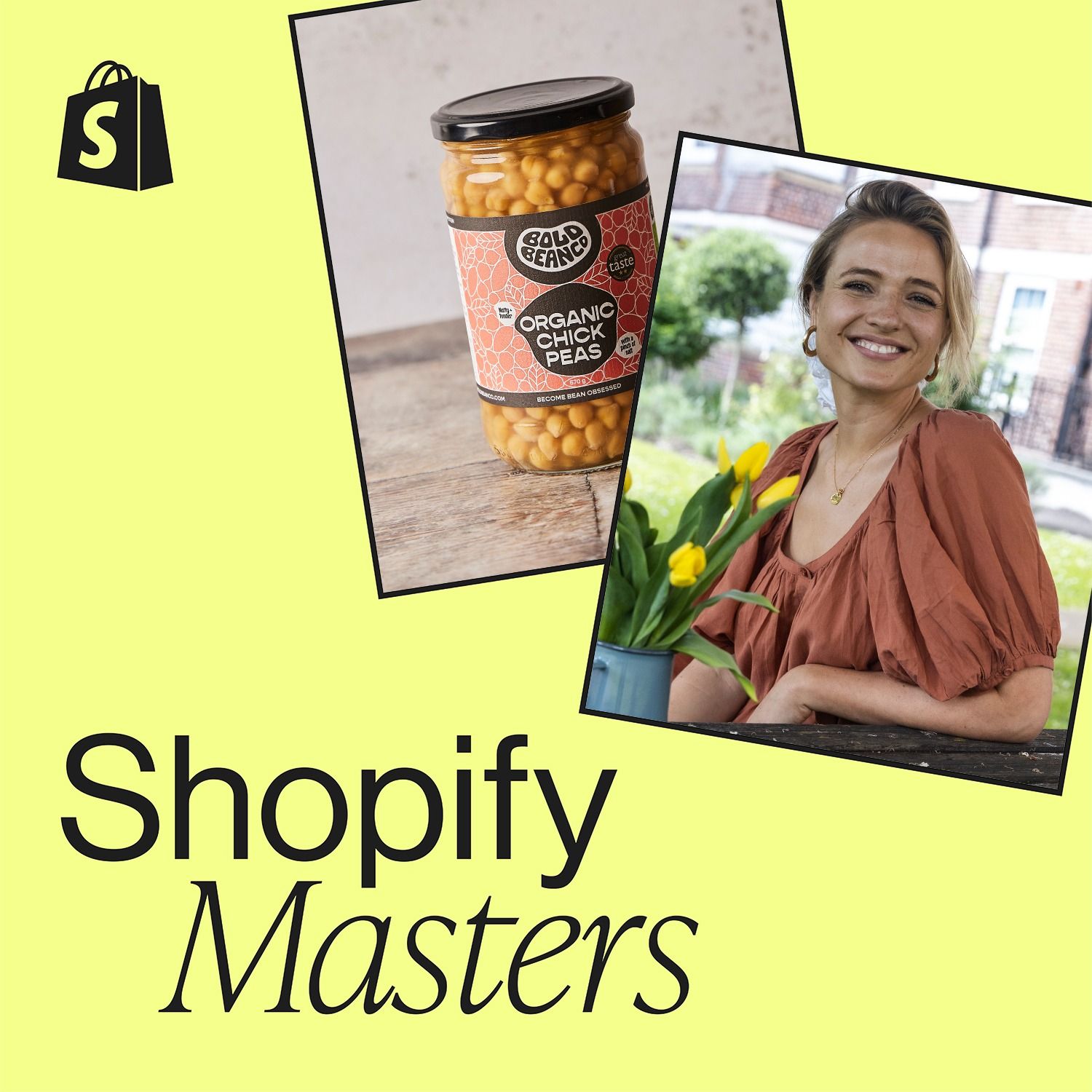
The brand used clear glass jars, initially a byproduct of a superior cooking method, to showcase the beans' quality. This transparency shifted consumer perception from a hidden pantry staple to a premium, display-worthy ingredient, justifying a higher price point.
To make a high price seem reasonable, anchor it against a different, more expensive component of the customer's total budget that delivers less long-term value. For example, compare a $100k entertainment package to a $300k flower budget, arguing budget should align with memorability.

Instead of mass-market appeal, La Colombe focused on becoming the coffee supplier for the world's best restaurants. They believed that if they could win over the most discerning palates, their reputation for quality would cascade down to the general public, creating an unassailable brand.
To escape price comparisons in a commoditized market, shift the conversation from cost to risk. Use industry statistics to highlight the expensive, unforeseen problems that occur with cheaper alternatives. Position your higher-priced service as the logical choice to avoid those costly failures.