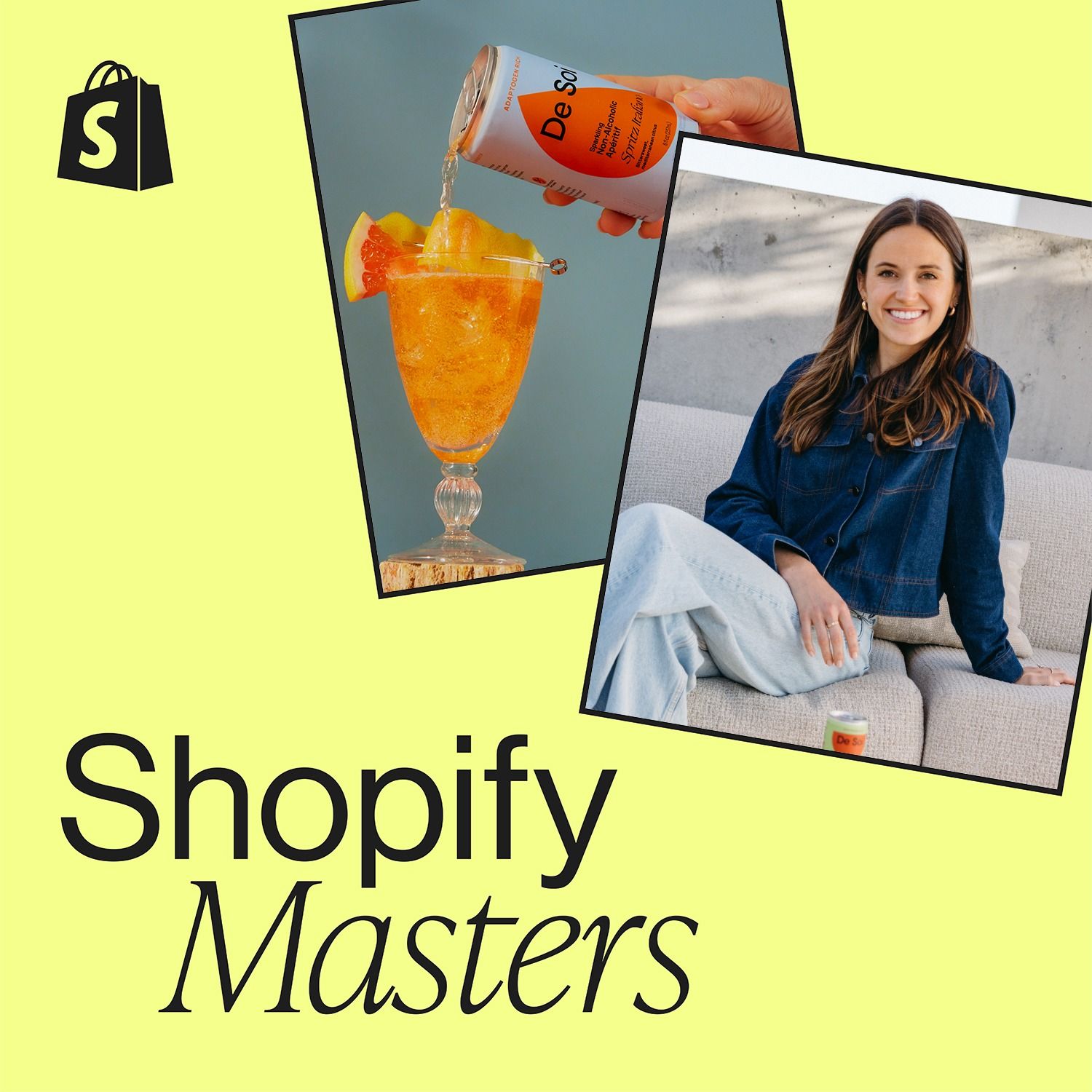
De Soi's initial abstract product names (e.g., "Champignon Dreams") were polarizing and confusing. Switching to familiar cocktail names like "Mule" and "Margarita" made the products easier for consumers to understand and purchase, leading to a 2x increase in sales for the new line.
De Soi's co-founder Katy Perry provides more than social media reach. Her involvement creates a "flywheel effect," granting unfair advantages like securing initial meetings with major retailers, features in top-tier press (Vogue), and attracting crucial early-stage capital that a typical startup couldn't access.
After running a bootstrapped business, De Soi's CEO brought a frugal mindset that was initially helpful. However, this frugality became a liability, leading her team to consistently underspend their marketing budget. She had to retrain them to see spending the full budget as a necessary KPI for growth, not a failure.
After a visually appealing but off-brand "Get Hot" campaign, De Soi realized they had "lost the plot." They established a rule: every marketing initiative must align with their core brand promise of "transporting" the consumer. This created a disciplined filter to ensure all activities reinforce their central narrative.
Feeling inexperienced as a new CEO, Scout Brisson adopted different personas for specific challenges. For fundraising, she embodied the "delusional and optimistic founder." For media, she becomes "podcast scout." This "Alter Ego Effect" helps leaders step into the necessary mindset for a given task, especially when feeling out of their depth.
Instead of hiring a large national sales team common in the beverage industry, De Soi takes a capital-efficient approach to on-premise sales. They build a playbook in one key market (LA) using brand ambassadors and contract workers, allowing them to scale without the massive overhead of a traditional sales force.
By not featuring co-founder Katy Perry on its cans, De Soi builds an identity separate from its celebrity backer. This creates long-term brand equity and attracts customers who discover the product organically, ensuring loyalty is to the brand itself—a crucial factor for a potential future acquisition.
De Soi aggressively targets customers who have purchased more than once but haven't subscribed. By offering them a "sick deal," they make subscribing a no-brainer. This focus on a specific high-intent cohort was key to jumping from a 15% to over 40% subscriber rate on first purchases.
When De Soi launched, retailers and investors dismissed the non-alcoholic category. CEO Scout Brisson adopted a "not if, it's when" mindset, maintaining belief despite widespread skepticism. This conviction was essential for persevering until the market and major players like Target inevitably came around.