Get your free personalized podcast brief
We scan new podcasts and send you the top 5 insights daily.
The fantasy of using simple prompts to code complex apps like Salesforce is over. The real, immediate value comes from building agentic AI that automates high-value outcomes *within* existing platforms, like having a CRM autonomously book sales meetings.

Related Insights
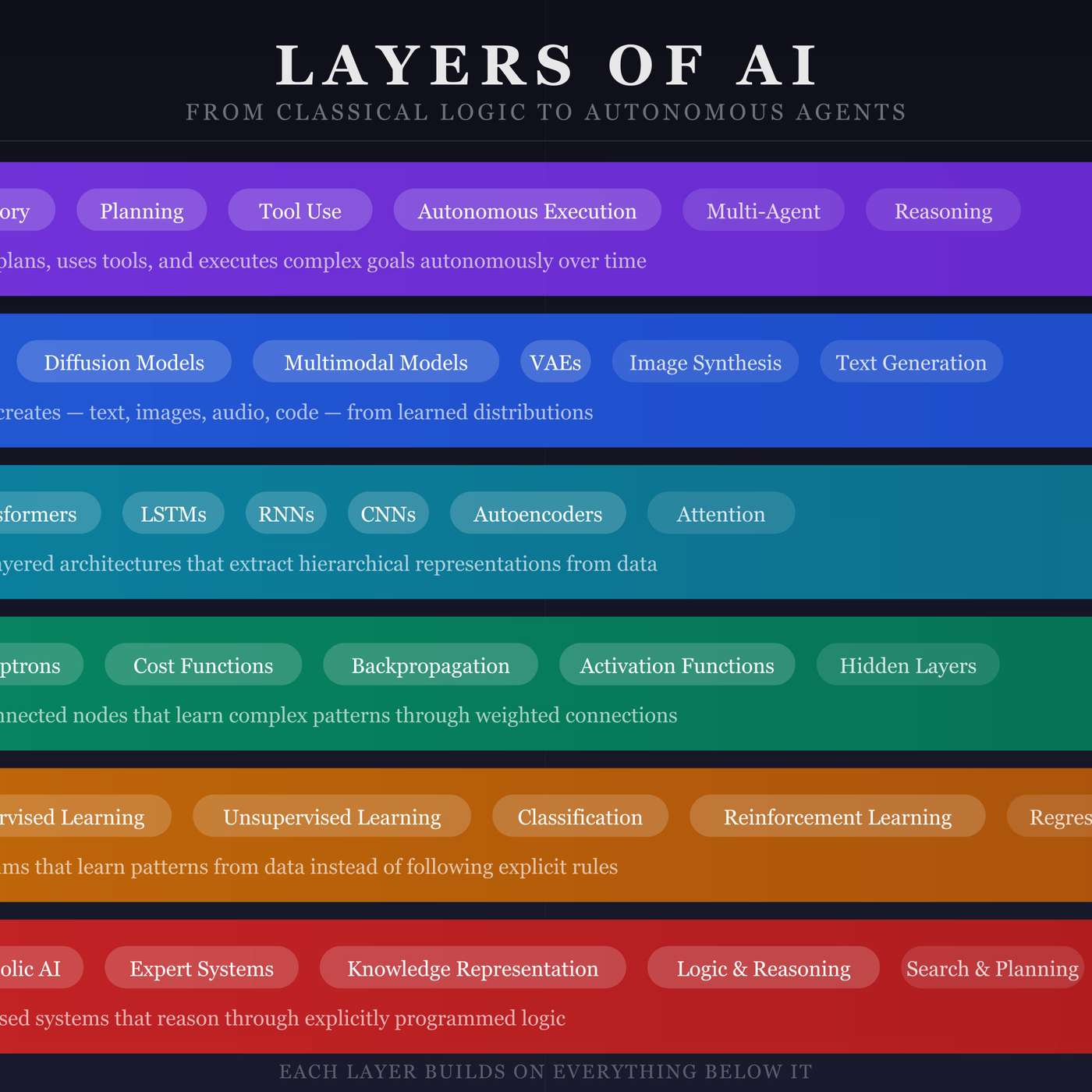
The current pinnacle of the AI stack, 'Agentic AI,' moves beyond simply generating answers to performing autonomous actions. By combining generative models with planning, memory, and tool use (like APIs or code interpreters), these systems can execute complex, multi-step tasks, defining the next wave of product development.
Instead of focusing on foundational models, software engineers should target the creation of AI "agents." These are automated workflows designed to handle specific, repetitive business chores within departments like customer support, sales, or HR. This is where companies see immediate value and are willing to invest.

The most significant gains from AI will not come from automating existing human tasks. Instead, value is unlocked by allowing AI agents to develop entirely new, non-human processes to achieve goals. This requires a shift from process mapping to goal-oriented process invention.

Simply adding a generative AI co-pilot is now table stakes for SaaS companies. The founder argues the next evolution is 'agentic AI' — systems that don't just provide insights but autonomously perform tasks and make decisions for the user, like qualifying and actioning a sales lead.

Legacy systems like CRMs will lose their central role. A new, dynamic 'agent layer' will sit above them, interpreting user intent and executing tasks across multiple tools. This layer, which collapses the distance between intent and action, will become the primary place where work gets done.

Instead of integrating with existing SaaS tools, AI agents can be instructed on a high-level goal (e.g., 'track my relationships'). The agent can then determine the need for a CRM, write the code for it, and deploy it itself.
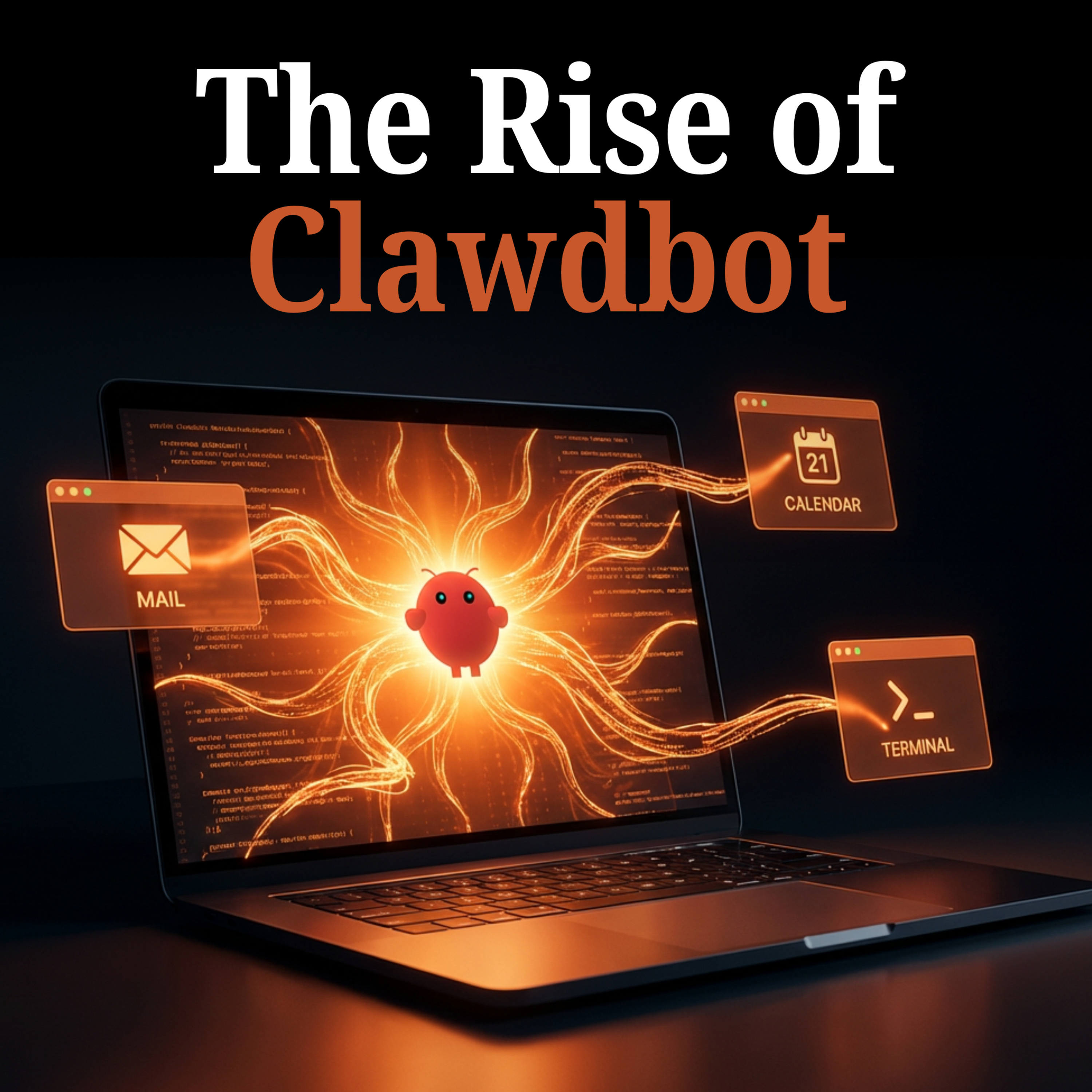
The 'call and response' nature of large language models (LLMs) is not truly revolutionary for workflows. The significant shift comes from agentic AI, which can connect to various systems and execute multi-step tasks. This moves AI from a content generator to a powerful workflow automation tool.

The hype around individuals building their own apps with AI misses the bigger picture. According to Sierra CEO Bret Taylor, the fundamental shift is from graphical interfaces to conversational agents, which will change software form factors, business models, and user interaction entirely.

Salesforce is developing a new AI platform, codenamed Agent Albert, designed to automatically study users and take actions on their behalf. This moves beyond simple AI assistance towards an autonomous agentic system, representing the next evolution of enterprise software.

The paradigm shift with AI agents is from "tools to click buttons in" (like CRMs) to autonomous systems that work for you in the background. This is a new form of productivity, akin to delegating tasks to a team member rather than just using a better tool yourself.