Get your free personalized podcast brief
We scan new podcasts and send you the top 5 insights daily.
The hype around individuals building their own apps with AI misses the bigger picture. According to Sierra CEO Bret Taylor, the fundamental shift is from graphical interfaces to conversational agents, which will change software form factors, business models, and user interaction entirely.

Related Insights
The next generation of software may lack traditional user interfaces. Instead, they will be 'API-first' or 'agent-first,' integrating directly into existing workflows like Slack or email. Software will increasingly 'visit the user' rather than requiring the user to visit a dashboard.

Generative AI primarily changes an app's user interface, but agentic AI can bypass UIs entirely to complete tasks. This makes transaction-fulfillment apps, which constitute a huge portion of the market, vulnerable to being replaced by agents that act directly on a user's behalf.

The key skill for building is shifting from mastering no-code tools like Webflow and Zapier to working with AI agents. This represents a new programmable layer of abstraction where proficiency is defined by prompting, context management, and systems thinking for AI, not visual development.

The end state for enterprise AI is a unified, conversational agent serving as the primary interface for a brand. This "digital concierge" will handle sales, support, and other interactions, potentially replacing websites and mobile apps as the main customer touchpoint.
![Jesse Zhang - Building Decagon - [Invest Like the Best, EP.443] thumbnail](https://megaphone.imgix.net/podcasts/2cc4da2a-a266-11f0-ac41-9f5060c6f4ef/image/7df6dc347b875d4b90ae98f397bf1cb1.jpg?ixlib=rails-4.3.1&max-w=3000&max-h=3000&fit=crop&auto=format,compress)
The initial impact of AI agents is cost reduction in customer service. However, the second-order effect is more profound: AI agents will become the primary interface for brands, driving sales and creating personalized concierge experiences. Companies that embrace this will gain a significant competitive edge in customer lifetime value.

Legacy systems like CRMs will lose their central role. A new, dynamic 'agent layer' will sit above them, interpreting user intent and executing tasks across multiple tools. This layer, which collapses the distance between intent and action, will become the primary place where work gets done.

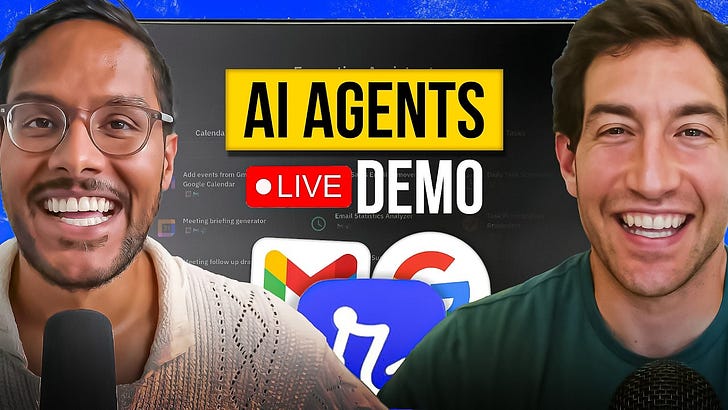
The future of software isn't just AI-powered features. It's a fundamental shift from tools that assist humans to autonomous agents that perform tasks. Human roles will evolve from *doing* the work to *orchestrating* thousands of these agents.
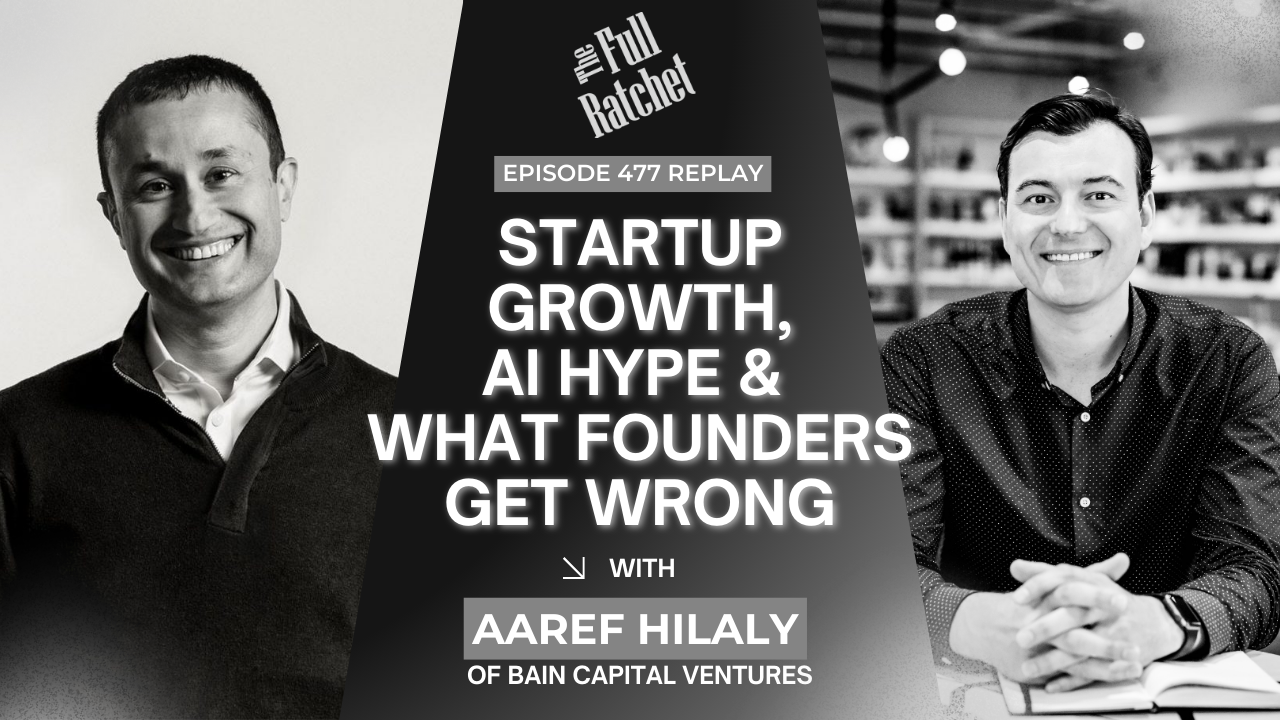
Instead of integrating with existing SaaS tools, AI agents can be instructed on a high-level goal (e.g., 'track my relationships'). The agent can then determine the need for a CRM, write the code for it, and deploy it itself.
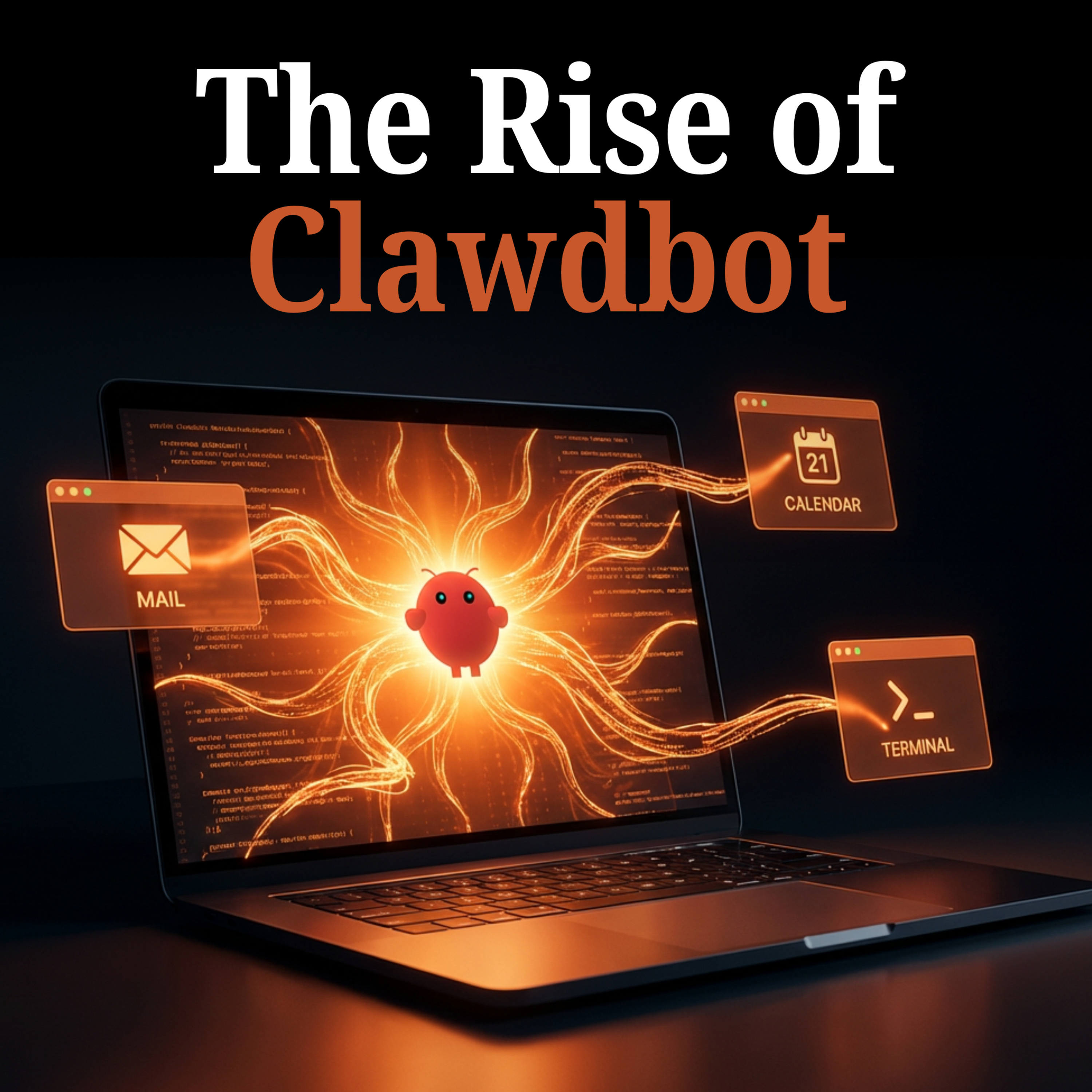
Sierra CEO Bret Taylor argues that transitioning from per-seat software licensing to value-based AI agents is a business model disruption, not just a technological one. Public companies struggle to navigate this shift as it creates a 'trough of despair' in quarterly earnings, threatening their core revenue before the new model matures.
The paradigm shift with AI agents is from "tools to click buttons in" (like CRMs) to autonomous systems that work for you in the background. This is a new form of productivity, akin to delegating tasks to a team member rather than just using a better tool yourself.