The success of high-end restaurant chains like Carbone in diverse markets (Vegas, Riyadh) demonstrates a growing global connoisseur culture. This allows startups with a perfected product to expand internationally with only minor local adaptations, treating their brand as a form of intellectual property.
The stark quality difference between infographics generated by Google's Gemini and OpenAI's GPT demonstrates a tangible leap in AI's creative capabilities. This ability to produce publication-ready design in seconds presents a clear, immediate threat to roles like graphic designers and illustrators, moving job displacement from theory to reality.
Nvidia's earnings call revealed its multi-billion dollar investment opportunities in OpenAI and Anthropic are non-binding letters of intent. This suggests the supposed "round-tripping" of capital in the AI ecosystem is built on optional, handshake-like deals, not guaranteed commitments, adding a layer of hidden risk.
Contrary to popular narrative, Google's AI products have likely surpassed OpenAI in monthly users. By bundling AI into its existing ecosystem (2B users for AI Overviews, 650M for the Gemini app), Google leverages its massive distribution to win consumer adoption, even if user intent is less direct than visiting ChatGPT.
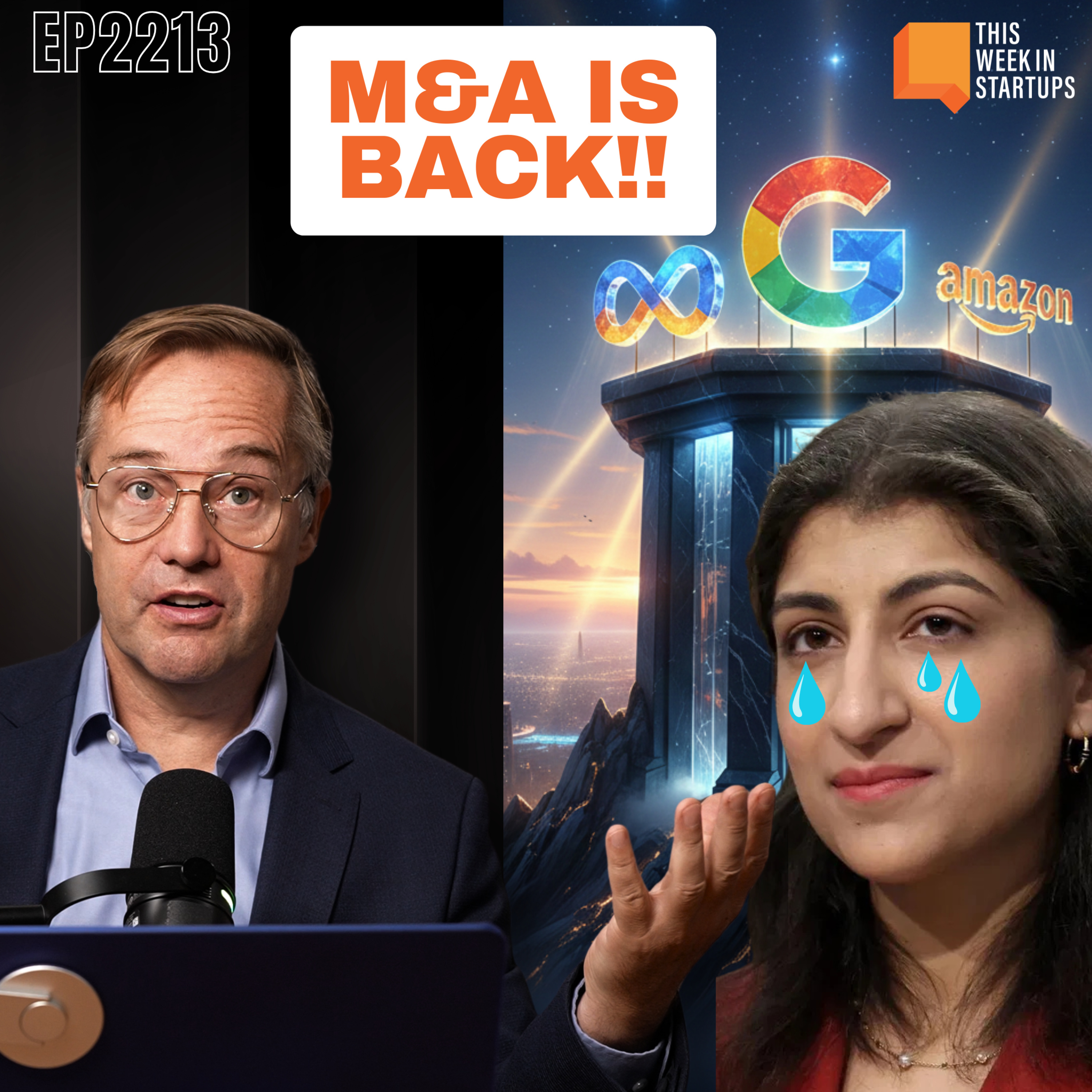
Recent antitrust lawsuits against Meta and Google resulted in minimal consequences ("nothing burgers"), signaling a more permissive regulatory environment. Combined with anticipated economic stimulus, this creates ideal conditions for a wave of large-scale M&A ($25B-$250B) among major tech companies in the coming year.
Instead of focusing on foundational models, software engineers should target the creation of AI "agents." These are automated workflows designed to handle specific, repetitive business chores within departments like customer support, sales, or HR. This is where companies see immediate value and are willing to invest.
Google can dedicate nearly all its resources to AI product development because its core business handles infrastructure and funding. In contrast, OpenAI must constantly focus on fundraising and infrastructure build-out. This mirrors the dynamic where a focused Facebook outmaneuvered a distracted MySpace, highlighting a critical incumbent advantage.
Accusations that hyperscalers "cook the books" by extending GPU depreciation misunderstand hardware lifecycles. Older chips remain at full utilization for less demanding tasks. High operational costs (power, cooling) provide a natural economic incentive to retire genuinely unprofitable hardware, invalidating claims of artificial earnings boosts.