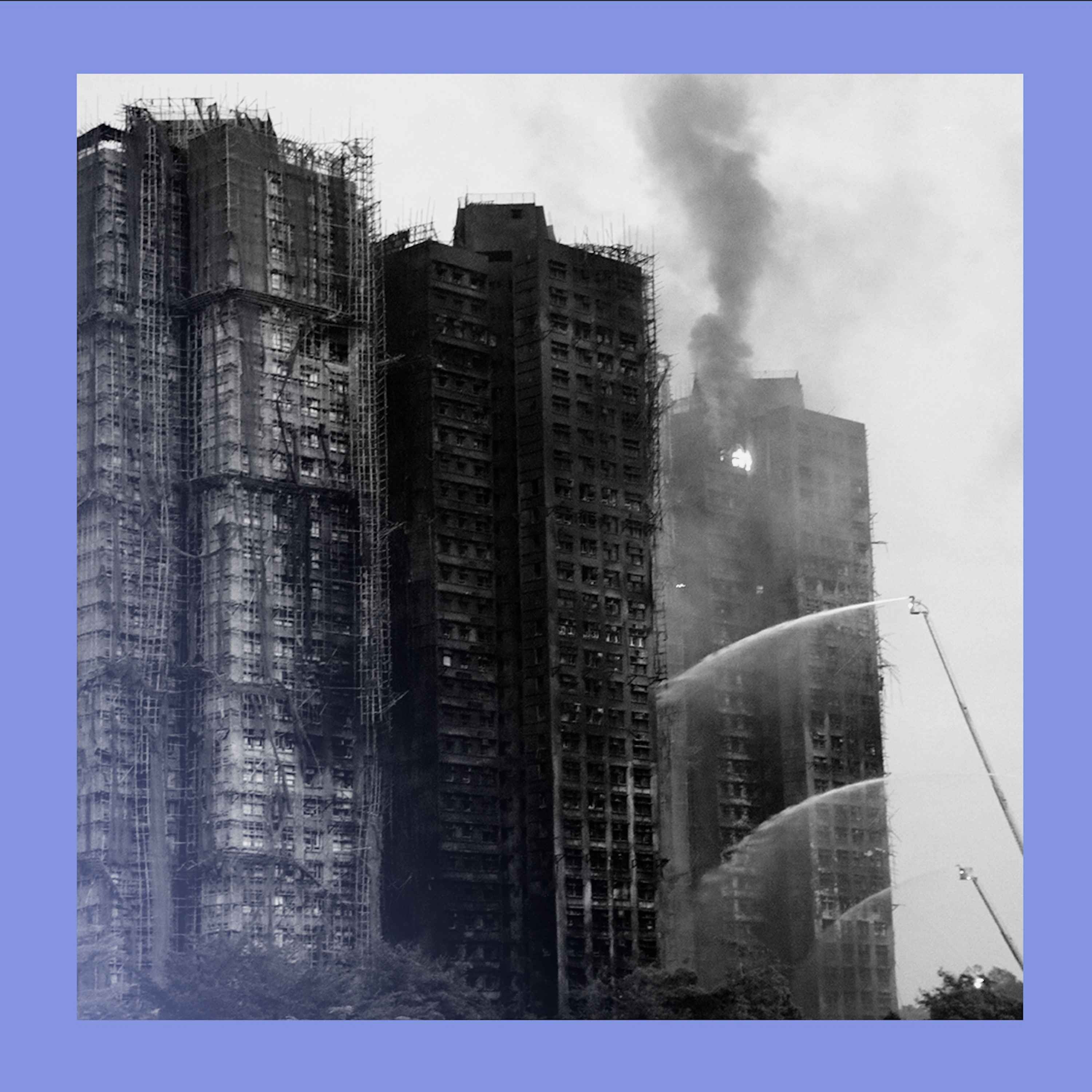
The official focus on bamboo scaffolding after a deadly fire may be a political pretext to phase out a traditional industry with a strong, union-like guild. This would allow mainland-controlled firms to take over, despite evidence that much of the bamboo scaffolding survived the blaze intact.
Unlike other modern protest movements, Georgian demonstrators are culturally hesitant to use radical tactics like destroying property. This fear is a direct legacy of the violent 1989 Soviet crackdown that killed 21 people, creating a deep-seated psychological barrier to the escalation needed to challenge the regime effectively.
Hong Kong's leadership is leveraging aid from mainland China, such as a rescue task force, to showcase the benefits of closer ties with Beijing. This narrative strategically shifts focus away from local government accountability for the disaster and reinforces the mainland's growing influence over the city.
Major housing policy overhauls in Hong Kong are rarely proactive, but rather reactions to large-scale tragedies. The city's entire public housing program, for example, was created in response to a devastating 1953 fire. This historical precedent suggests the recent deadly blaze is likely to force similar systemic safety and building regulation reforms.
After initial violent crackdowns backfired by inflaming crowds, the Georgian government adopted a strategy of covert repression. It now uses the legal system—banning face coverings, imposing huge fines, and making targeted arrests—to methodically dismantle the year-long protest movement without the international backlash caused by overt street violence.
The secret Chinese women's language of Nushu, born from feudal suffering, has been commercialized into a tourist attraction. Its last natural speaker worried that this transformation, complete with museums and misspelled merchandise, has erased its original purpose as a raw outlet for pain, replacing it with bland, commercialized versions.