Get your free personalized podcast brief
We scan new podcasts and send you the top 5 insights daily.
After initial violent crackdowns backfired by inflaming crowds, the Georgian government adopted a strategy of covert repression. It now uses the legal system—banning face coverings, imposing huge fines, and making targeted arrests—to methodically dismantle the year-long protest movement without the international backlash caused by overt street violence.
Related Insights
The academic theory behind 'people-powered' civil resistance has military origins. Seminal research by figures like Gene Sharp was directly funded with $50 million from the Pentagon's psychological operations unit to develop methods for bottom-up, state-sponsored coups under the guise of grassroots movements.

Unlike other modern protest movements, Georgian demonstrators are culturally hesitant to use radical tactics like destroying property. This fear is a direct legacy of the violent 1989 Soviet crackdown that killed 21 people, creating a deep-seated psychological barrier to the escalation needed to challenge the regime effectively.
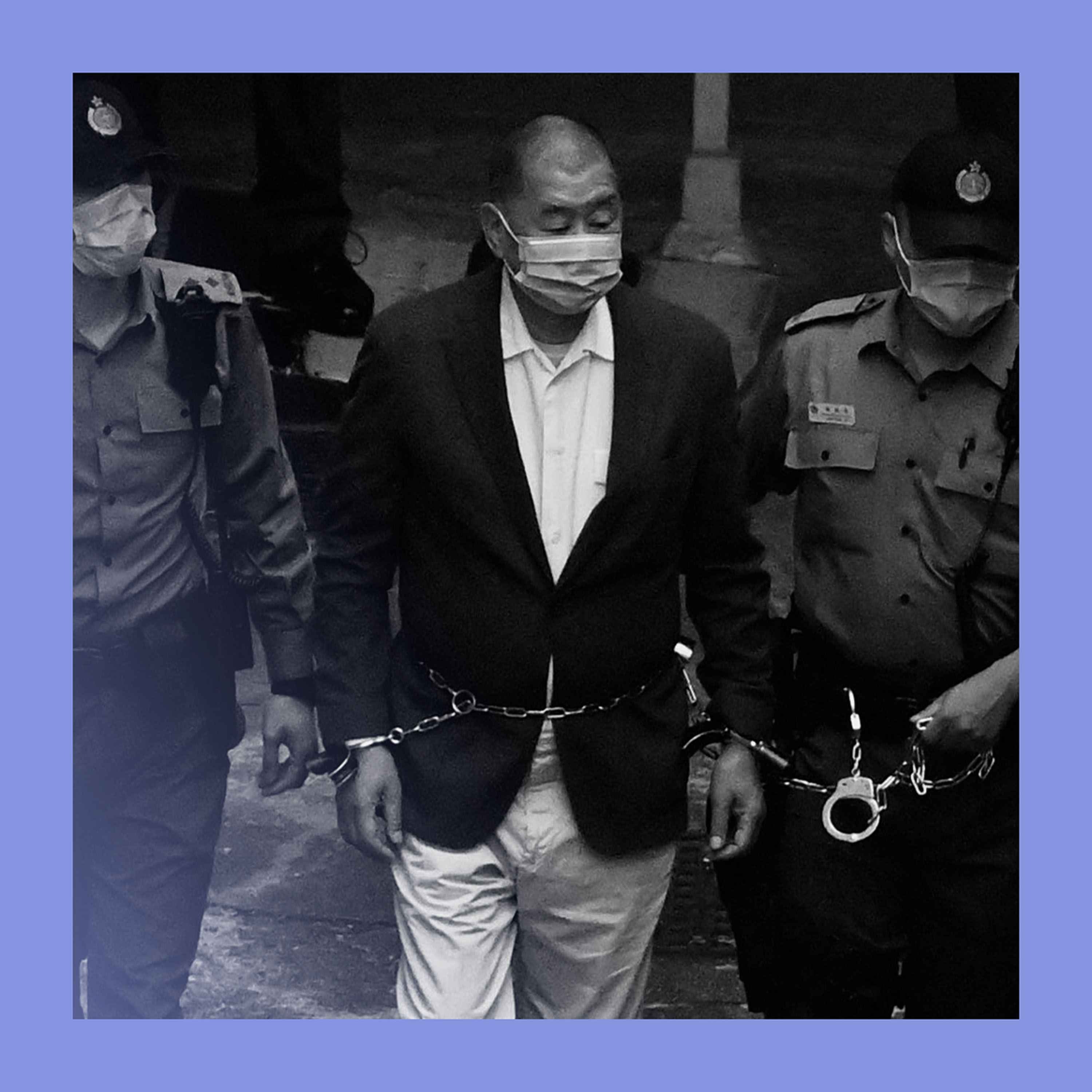
The conviction of media mogul Jimmy Lai underscores the sweeping power of the 2020 national security law imposed by Beijing. This legislation has fundamentally altered Hong Kong's legal system, with an expected 95% of cases ending in conviction, effectively creating a legal apparatus for silencing dissent.
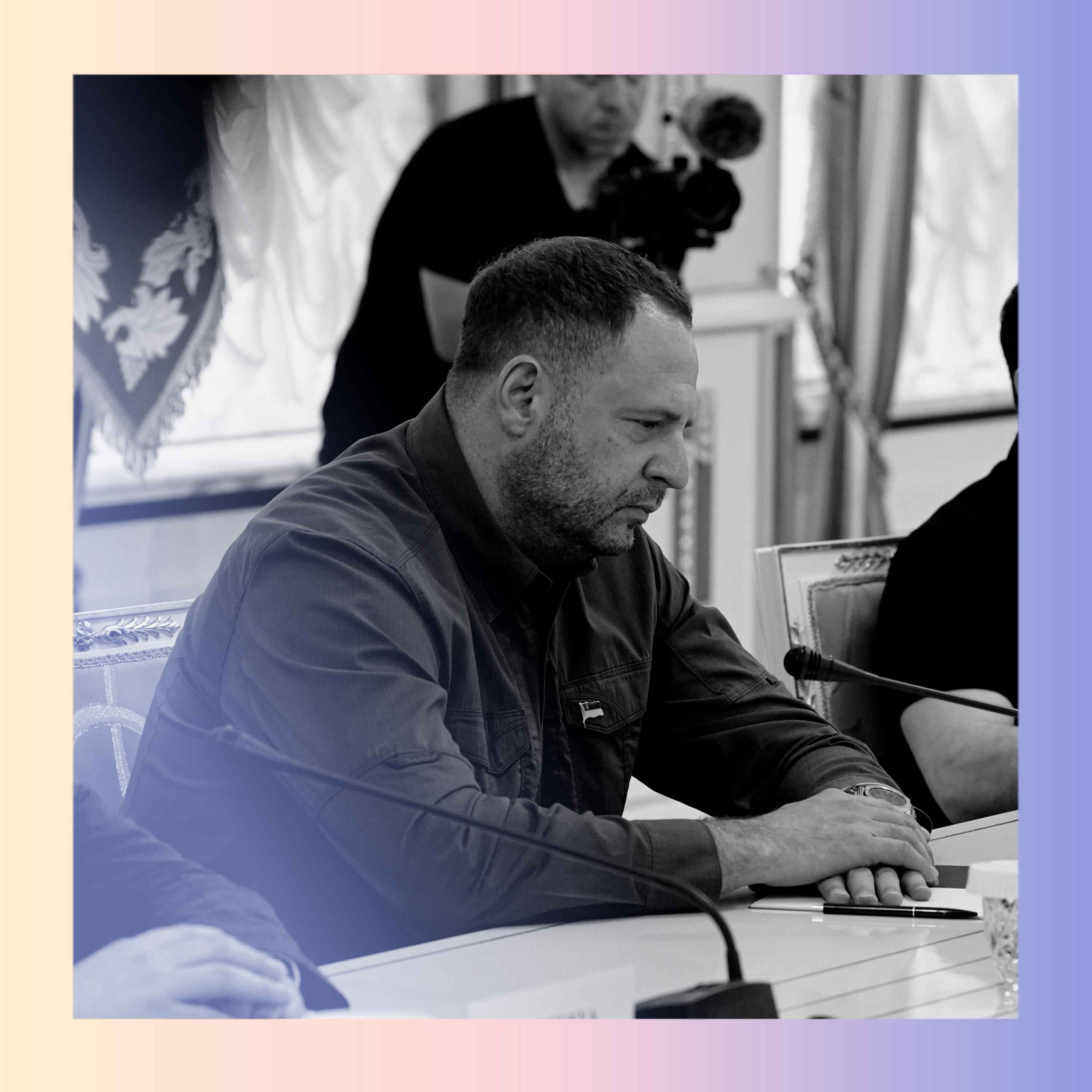
When the investigation reached the President's inner circle, the government machine mobilized against the anti-corruption bodies. Ukraine's security services arrested several detectives involved in the probe, accusing them of collaborating with Russia. This tactic attempts to reframe a legitimate investigation as a threat to national security.
What appear as organic 'color revolutions' are often the result of a highly developed, academic playbook. This field, known as 'democratization studies' or 'civil resistance,' is taught at major universities and provides a systematic, step-by-step guide for orchestrating political change from the bottom up.
To crush popular dissent after losing an election, the Maduro regime escalated to what international bodies label "state terrorism." This included imprisoning not just activists but also their family members and even citizens who merely posted a supportive picture online, aiming to terrify the entire population into silence.

Beyond headline-grabbing scandals, the most insidious impact of a kleptocratic administration is its refusal to enforce existing laws, from financial regulations to anti-corruption acts. This quiet dismantling of the legal framework fosters a culture of impunity where bad actors thrive, ultimately harming ordinary people and destabilizing the entire system.

The Canadian government freezing the bank accounts of citizens for making legal donations to the Freedom Convoy protestors established a modern precedent. It demonstrated how a Western government can use financial infrastructure to suppress political dissent without trial or due process, foreshadowing the potential risks of centralized digital currencies.
Socialism's top-down control ignores market incentives, leading to predictable failure (e.g., rent control causing building decay). When people protest these failures, proponents who believe they "know better" must resort to coercion and violence to silence dissent and maintain power, rather than admit their model is flawed.
Using legal attacks against political opponents ("lawfare") is a societal gangrene. It forces the targeted party to retaliate, turning elections into existential battles for survival rather than policy contests. This high-stakes environment creates a powerful incentive to win at any cost, undermining democratic norms.
