Get your free personalized podcast brief
We scan new podcasts and send you the top 5 insights daily.
Most US LPs have "put pencils down" on China due to geopolitical risk, creating a capital-starved market. For investors willing to do the work, this presents an opportunity with less competition and more reasonable entry valuations for a pool of incredibly hard-working founders.

Related Insights
The Chinese government's intense desire for technological self-sufficiency and global leadership paradoxically reduces investment risk. Beijing now "desperately" needs its deep science companies to succeed, making another unpredictable, Jack Ma-style crackdown on the industry less likely than in previous years.

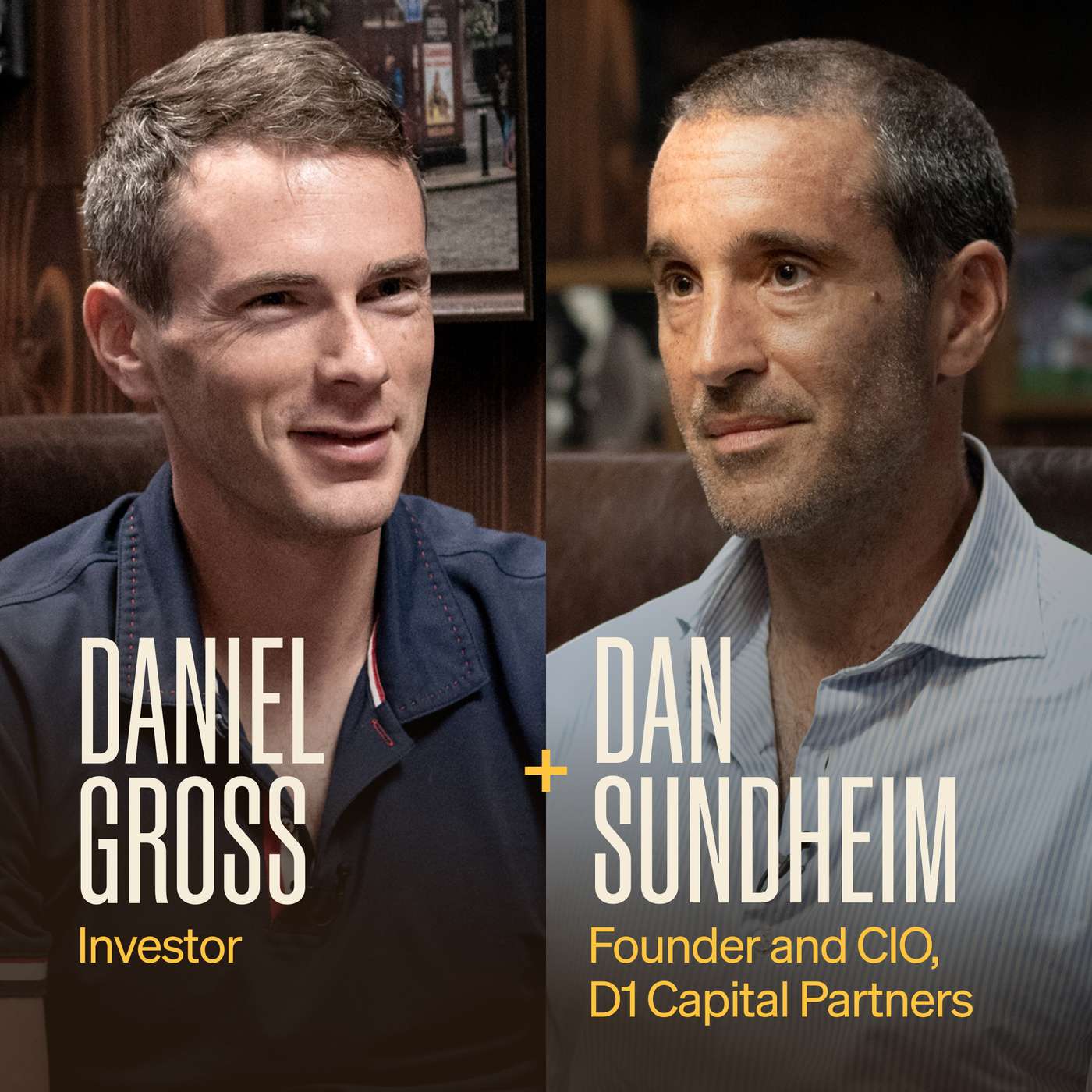
For D1 Capital, the primary risk in China isn't economic but political. The government's ability to arbitrarily influence resource allocation, punish successful companies, and eliminate entire sectors without due process creates an unacceptable level of uncertainty for capital allocators, regardless of how cheap valuations become.
A European founder targeting the US market shouldn't dismiss European VCs. You might be the top priority in a European firm's portfolio, receiving more attention and support than you would as a lower-priority deal for a top-tier, oversubscribed Silicon Valley firm.

China's harsh, deflationary economic environment and intense domestic competition, while causing many companies to fail, effectively hones a select few into highly resilient and efficient champions. These survivors are now prepared for successful global expansion.

The number of startups founded in China dropped from 51,000 in 2018 to just 1,200 in 2023, a 98% decrease. Roelof Botha attributes this collapse to unpredictable government regulations that stifle entrepreneurial risk-taking, serving as a warning for how policy could impact innovation elsewhere.

The valuation gap between Airwallex ($8B) and Ramp ($32B), which have comparable revenues, demonstrates a tangible "Asia discount." Investors significantly mark down companies with a strong presence or founding nexus in Asia due to perceived geopolitical and data security risks.

As CFIUS reviews increasingly complicate US venture investment in Chinese companies, investors are seeking alternatives. South Korea is emerging as a key "CFIUS-safe" location, offering access to high-quality, early-stage healthcare assets without the geopolitical and regulatory risks associated with investing in China.

Profitable Chinese giants like ByteDance trade at a fraction of their Western counterparts' multiples. This "China discount" stems not from business fundamentals but from the unpredictable risk of the Communist Party "smiting" successful companies and overarching geopolitical tensions, making them un-investable for many.
![Dan Wang - The US vs China In The 21st Century - [Invest Like the Best, EP.444] thumbnail](https://megaphone.imgix.net/podcasts/e1599a88-a9f6-11f0-b532-e3695bb27d60/image/0f5c07552cef2689e5834d56786ad6f1.jpg?ixlib=rails-4.3.1&max-w=3000&max-h=3000&fit=crop&auto=format,compress)
The willingness to start a company when capital is scarce and the macro environment is challenging is a powerful filter. It selects for founders with deep, intrinsic motivation ("a fire"), leading to a higher hit rate for investors who back them.

Despite geopolitical tensions, Hong Kong is re-emerging as the top destination for IPOs and the primary conduit for Western capital seeking exposure to China. As major asset managers look to diversify away from overweight U.S. portfolios, Hong Kong's financial markets are poised for a record year, providing a crucial and accessible entry point to the Chinese economy.
