Get your free personalized podcast brief
We scan new podcasts and send you the top 5 insights daily.
The Chinese government's intense desire for technological self-sufficiency and global leadership paradoxically reduces investment risk. Beijing now "desperately" needs its deep science companies to succeed, making another unpredictable, Jack Ma-style crackdown on the industry less likely than in previous years.

Related Insights
If China allows H200 imports, it signals that tech giants like Alibaba need advanced chips now. If they ban them, it shows the government is prioritizing the long-term, self-sufficiency goals of domestic chipmakers like Huawei over short-term gains.

Contrary to common Western assumptions, China's official AI blueprint focuses on practical applications like scientific discovery and industrial transformation, with no mention of AGI or superintelligence. This suggests a more grounded, cautious approach aimed at boosting the real economy rather than winning a speculative tech race.

Contrary to the common narrative of a stifling 'crackdown,' Joe Tsai argues China's increased tech regulation established a 'new normal' that is better for business. By clarifying the 'red lines' around monopoly and privacy, the government created a more predictable environment, which is preferable to the previous era of unchecked, chaotic competition.
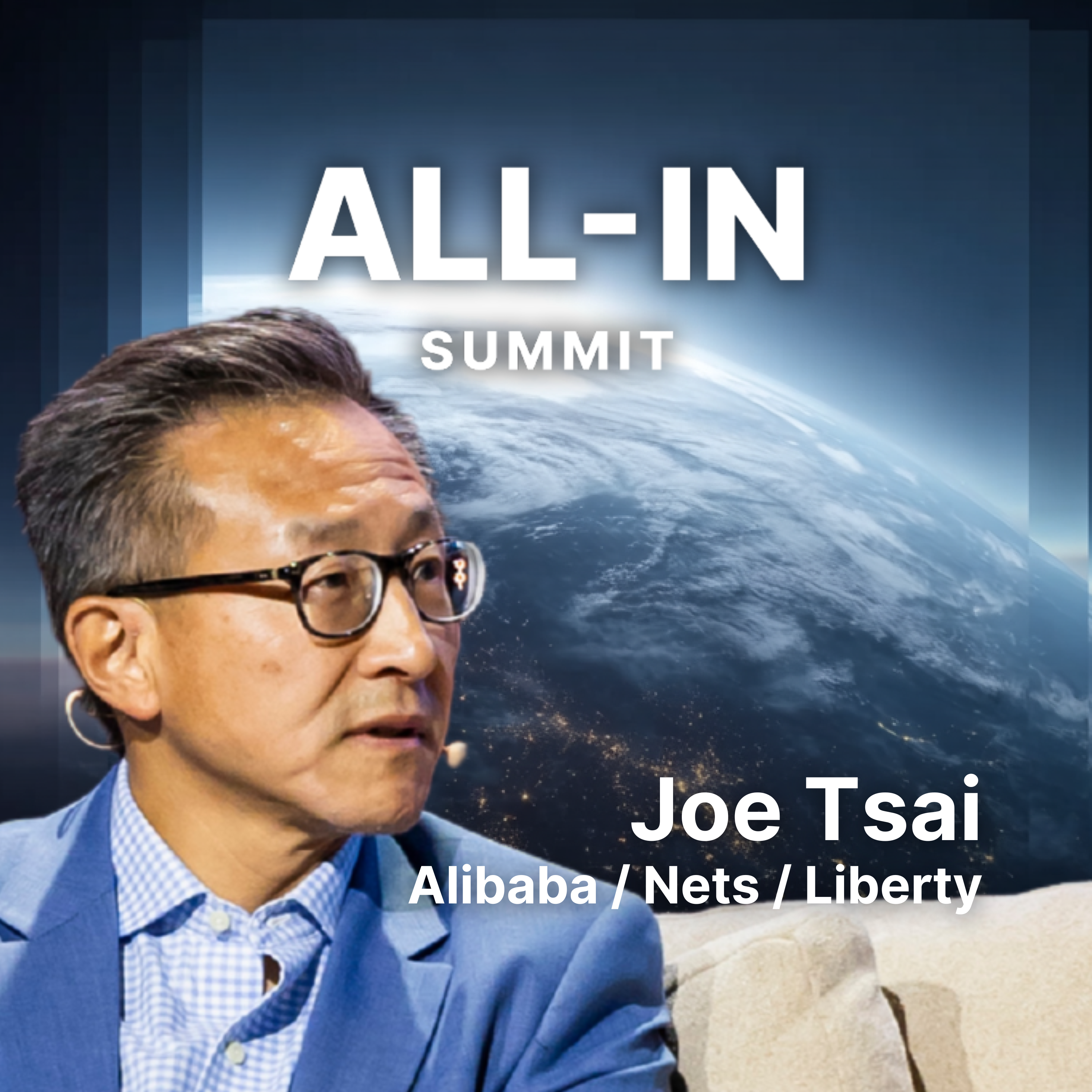
China's harsh, deflationary economic environment and intense domestic competition, while causing many companies to fail, effectively hones a select few into highly resilient and efficient champions. These survivors are now prepared for successful global expansion.

In China, academics have significant influence on policymaking, partly due to a cultural tradition that highly values scholars. Experts deeply concerned about existential AI risks have briefed the highest levels of government, suggesting that policy may be less susceptible to capture by commercial tech interests compared to the West.
The argument that the U.S. must race to build superintelligence before China is flawed. The Chinese Communist Party's primary goal is control. An uncontrollable AI poses a direct existential threat to their power, making them more likely to heavily regulate or halt its development rather than recklessly pursue it.

Instead of crippling China, aggressive US sanctions and tech restrictions are having the opposite effect. They have forced China to accelerate its own domestic R&D and manufacturing for advanced technologies like microchips. This is creating a more powerful and self-sufficient competitor that will not be reliant on the West.

For Chinese policymakers, AI is more than a productivity tool; it represents a crucial opportunity to escape the middle-income trap. They are betting that leadership in AI can fuel the innovation needed to transition from a labor-intensive economy to a developed one, avoiding the stagnation that has plagued other emerging markets.

China is explicitly subsidizing domestic semiconductor firms through its National Integrated Circuit Industry Investment Fund. This state-backed capital is the key driver behind its policy to achieve technological independence and replace foreign companies like NVIDIA.
U.S. export controls on advanced semiconductors, intended to slow China, have instead galvanized its domestic industry. The restrictions accelerated China's existing push for self-sufficiency, forcing local companies to innovate with less advanced chips and develop their own GPU and manufacturing capabilities, diminishing the policy's long-term effectiveness.