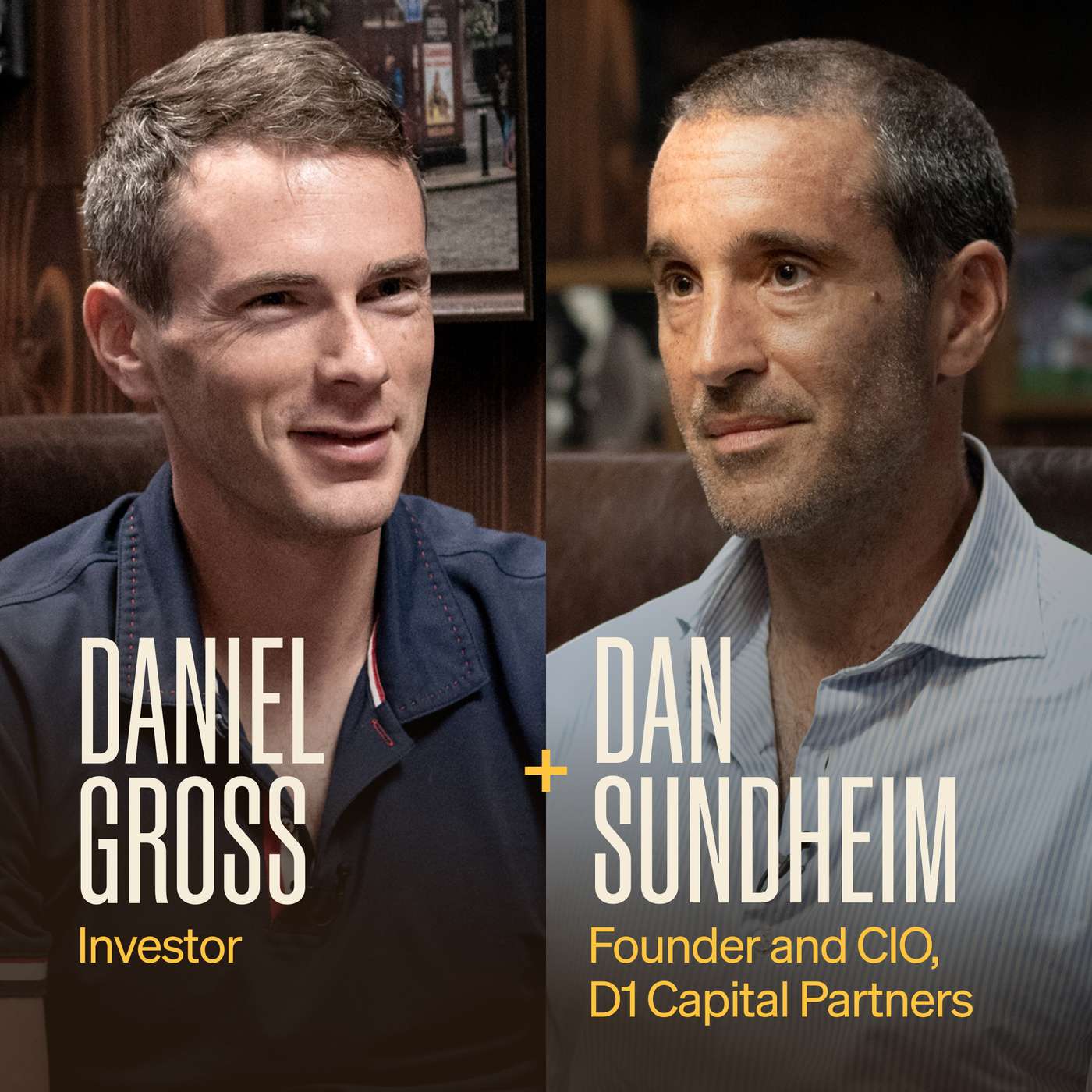
In fast-moving public markets, waiting for a full investment memo can mean missing the opportunity. D1 Capital starts buying a position while the memo is being written, using it as a final diligence check rather than a prerequisite for action. The conviction is built through dialogue long before the final document.
To ensure accountability and combat hindsight bias, D1 Capital requires analysts to maintain a weekly "mock portfolio" of their best ideas, weighted as if managing real capital. This pre-registered record is used in compensation reviews, preventing analysts from only highlighting their successful calls at year-end.
Dan Sundheim argues successful private companies should avoid going public. Public market volatility means stock prices, and thus employee compensation, are driven by sentiment, not fundamental value creation. Being dramatically overvalued can be as harmful as being undervalued, as it misaligns incentives for future hires.
Investors often focus on losses, but the biggest financial mistakes come from selling compounding winners like Costco too early. This happens when short-term IRR calculations, heavily dependent on unpredictable exit multiples, overshadow the long-term value of a great business.
Dan Sundheim argues that while retail-driven markets create more shorting opportunities, the risk of a coordinated squeeze makes concentrated shorts too dangerous. The modern strategy is to hold a much more diversified portfolio of smaller short positions to survive extreme, irrational price moves that can 10x or 20x.
According to Dan Sundheim, European markets exhibit a significant lag in pricing successful corporate turnarounds compared to the U.S. This "voting machine" is slower, as investors who have been burned by a company's historical underperformance remain skeptical long after a new strategy shows clear signs of working.
D1 Capital avoids hiring experienced public market investors, preferring to recruit from private equity. PE professionals have strong analytical foundations but lack ingrained public market habits, making it easier to teach them D1's specific investment philosophy, despite a three-year ramp-up time.
Top investors experience an "asymmetry of emotion." The pleasure of significant gains is muted—a feeling of satisfaction rather than euphoria. However, the pain of losing capital, particularly during irrational market events, is disproportionately intense, driven by the responsibility of managing other people's money.
Investment gains often come from "multiple expansion," where the market's perception of a business improves, causing it to trade at a higher valuation. This sentiment shift is frequently more impactful than pure earnings growth, and underestimating it is a primary reason for selling winning stocks too early.
The expectation that universal, instant access to information would lead to more efficient markets has been proven wrong. Instead, it has amplified sentiment-driven volatility. Stock prices have become less tethered to fundamentals as information is interpreted through the lens of crowd psychology, not rational analysis.
The investment case for Siemens Energy hinges on a culture clash: Silicon Valley's aggressive AI buildout versus the conservatism of gas turbine manufacturers. This mismatch will lead to a prolonged shortage of essential power generation equipment, giving pricing power to incumbents who are skeptical of adding new capacity.
For D1 Capital, the primary risk in China isn't economic but political. The government's ability to arbitrarily influence resource allocation, punish successful companies, and eliminate entire sectors without due process creates an unacceptable level of uncertainty for capital allocators, regardless of how cheap valuations become.