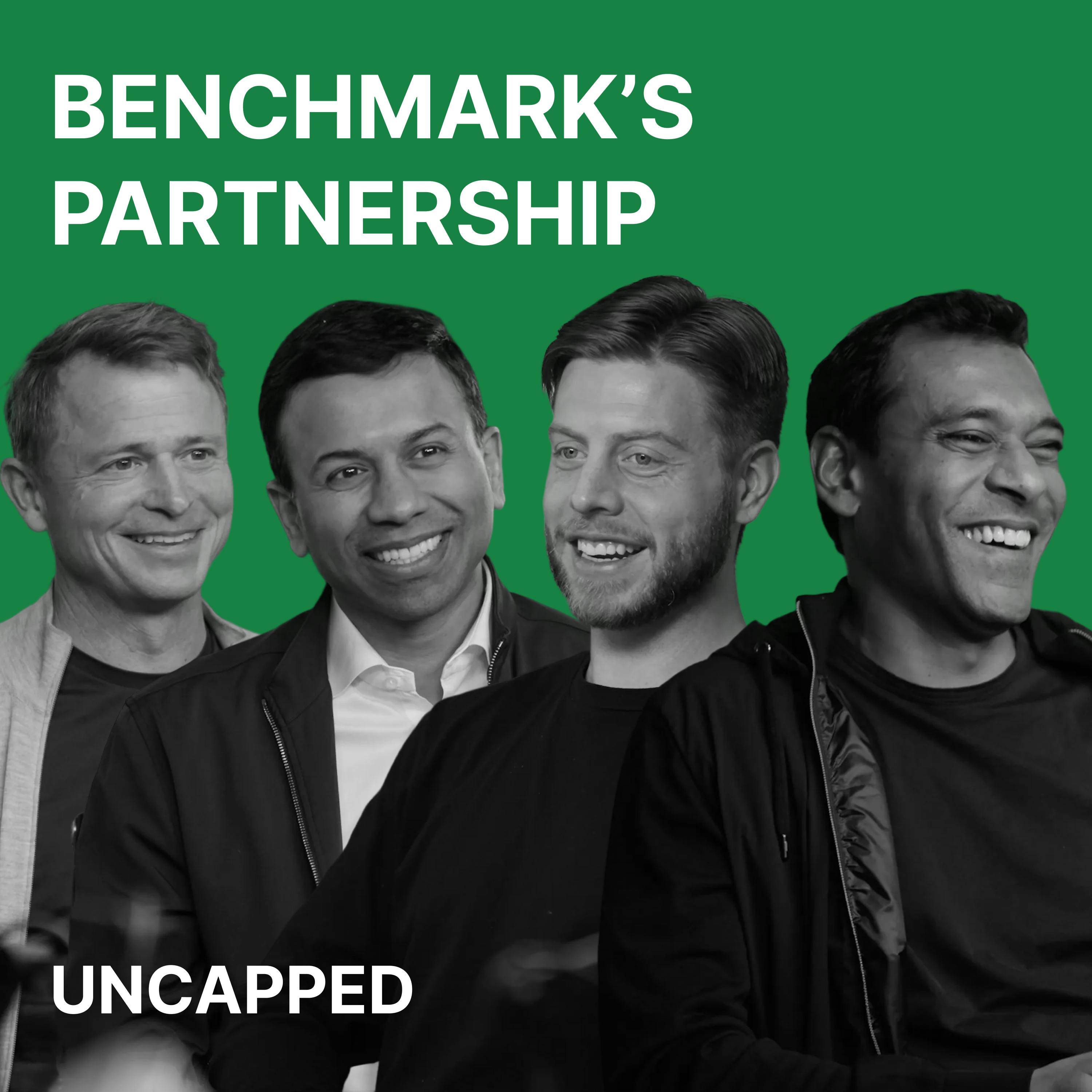
Benchmark intentionally remains a small firm with a small capital base. They acknowledge this isn't the most financially lucrative strategy for the partners but believe it maximizes their professional happiness and ensures deep, aligned partnerships with early-stage founders.
New partners receive equal ownership from day one, with no residual economics for departing founders. This unique structure creates a powerful sense of responsibility to pay it forward to the next generation, making the handover of the firm the seminal cultural moment.
Benchmark's successful AI investments (e.g., Sierra, Langchain) weren't the result of a top-down thematic strategy. Instead, their founder-centric approach led them to back exceptional individuals, which organically resulted in a diverse portfolio across the AI stack before it was obvious.
VCs often correctly identify a special founder but then pass due to external factors like competition or perceived market size. Reflecting on missing Scale AI, Benchmark concludes this is a critical error; the person is the signal that should override other concerns.
The most valuable role for a board member isn't giving advice, but acting as a "sparring partner." This involves asking sharp questions that help founders surface their own insights and gain clarity on ideas they already hold, especially when navigating uncharted territory.
The abundance of capital has shifted the VC mindset from serving founders over a decade to simply "winning" the next hot deal. This transactional approach is misaligned with what founders truly need: a committed, long-term partner who puts the company first.
Inspired by psychotherapist Carl Rogers, Benchmark's philosophy is to offer founders "unconditional positive regard," believing in them even more than they believe in themselves. This builds deep trust, allowing for transparent, difficult conversations that are essential for growth.
A VC has truly succeeded when a founder, in retrospect, feels they were like a co-founder. This signifies a deep, proximate, and unconditional partnership that went beyond transactions or advice, providing existential support through the company's entire journey.
Benchmark learned that large funds create an "overhang of misfit" with the practice of early-stage investing. The pressure to deploy massive capital volumes conflicts with the hands-on, shoulder-to-shoulder partnership that early founders need, leading to less joy and purpose.
VCs offering capital without a board seat frame it as founder-friendly control. However, it's often a self-serving strategy that allows the firm to deploy more capital with less hands-on work, robbing founders of a dedicated partner for governance and strategy.
The willingness to start a company when capital is scarce and the macro environment is challenging is a powerful filter. It selects for founders with deep, intrinsic motivation ("a fire"), leading to a higher hit rate for investors who back them.