Get your free personalized podcast brief
We scan new podcasts and send you the top 5 insights daily.
China's harsh, deflationary economic environment and intense domestic competition, while causing many companies to fail, effectively hones a select few into highly resilient and efficient champions. These survivors are now prepared for successful global expansion.
Related Insights
To prevent its suppliers from going bankrupt if contracts were cut, Apple mandated that no supplier could be more than 50% dependent on its business. This forced highly-trained manufacturers to find other customers, directly enabling the rise of sophisticated Chinese smartphone brands like Huawei and Xiaomi.

Despite China's manufacturing and hardware prowess, it has failed to produce a single major global enterprise software company. Its large, unique domestic market incentivizes local companies to build products with consumption patterns and features that don't translate internationally. This creates a lasting competitive advantage for U.S. enterprise software firms.

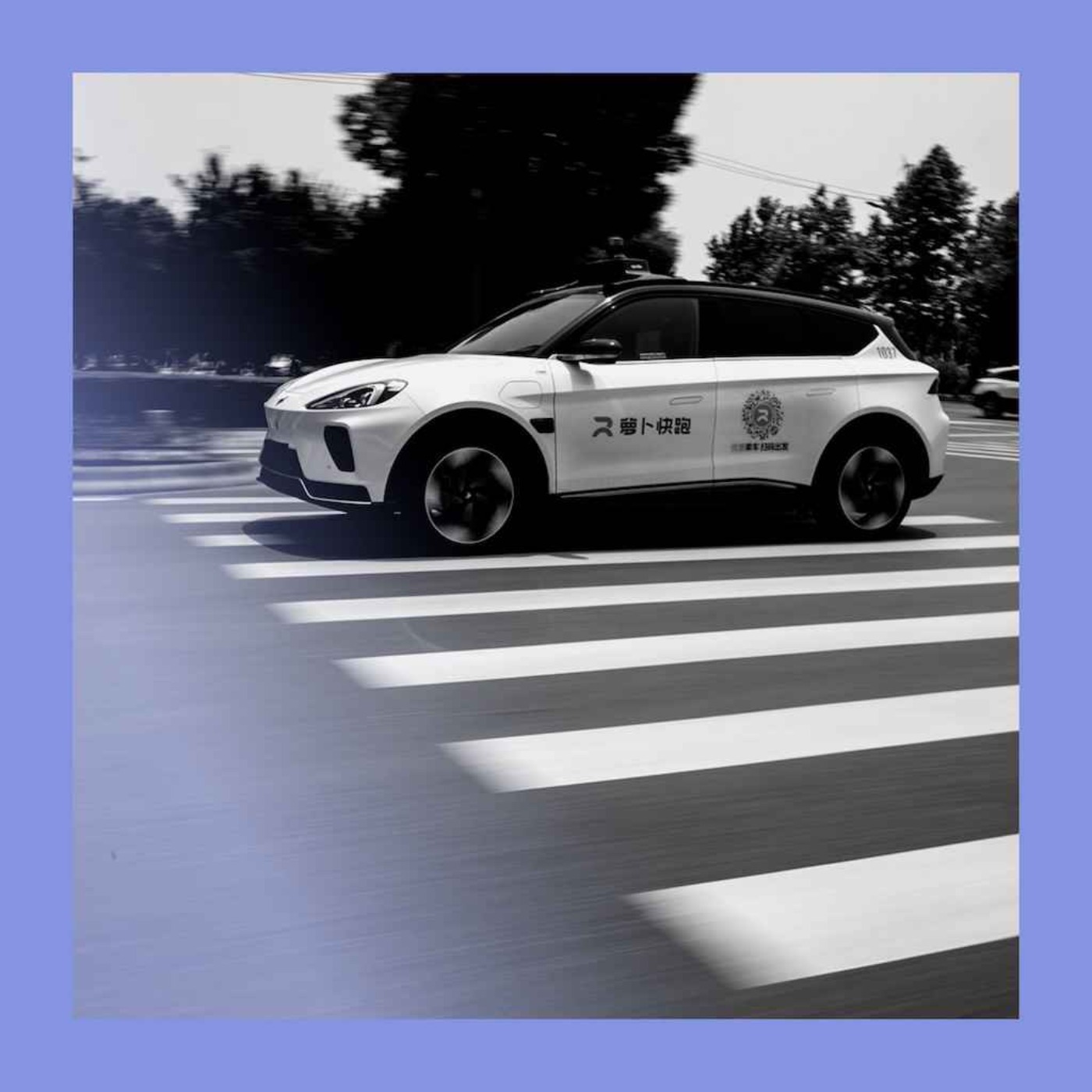
While Apple, valued in the trillions, abandoned its car project after a decade, Chinese electronics firm Xiaomi, worth a fraction as much, launched a record-beating electric vehicle in three years. This highlights the execution-focused, vertically integrated model that allows Chinese companies to out-maneuver wealthier but less agile Western competitors.
![Dan Wang - The US vs China In The 21st Century - [Invest Like the Best, EP.444] thumbnail](https://megaphone.imgix.net/podcasts/e1599a88-a9f6-11f0-b532-e3695bb27d60/image/0f5c07552cef2689e5834d56786ad6f1.jpg?ixlib=rails-4.3.1&max-w=3000&max-h=3000&fit=crop&auto=format,compress)
While China bans many US tech giants, it welcomed Tesla. A compelling theory suggests this was a strategic move to observe and learn Tesla's methods for mass-producing EVs at scale, thereby accelerating the development of domestic champions like BYD, mirroring its past strategy with Apple's iPhone.

Unlike the U.S. government's recent strategy of backing single "champions" like Intel, China's successful industrial policy in sectors like EVs involves funding numerous competing companies. This state-fostered domestic competition is a key driver of their rapid innovation and market dominance.

Instead of crippling China, aggressive US sanctions and tech restrictions are having the opposite effect. They have forced China to accelerate its own domestic R&D and manufacturing for advanced technologies like microchips. This is creating a more powerful and self-sufficient competitor that will not be reliant on the West.

Uber's CEO argues China's EV dominance is a product of a unique hybrid model. The government sets a top-down strategic goal, but then over 100 domestic companies engage in "brutal," bottoms-up competition. The winners, like BYD, emerge battle-tested and highly innovative.

In response to deflation and eroding profits from hyper-competition, the Chinese government's "anti-evolution" policy is a deliberate strategy to force consolidation, reduce overcapacity, and restore pricing power, thereby boosting corporate return on equity.

China's economic structure, which funnels state-backed capital into sectors like EVs, inherently creates overinvestment and excess capacity. This distorted cost of capital leads to hyper-competitive industries, making it difficult for even successful companies to generate predictable, growing returns for shareholders.

Contrary to the Western perception of a monolithic state-run system, China fosters intense competition among its provinces. Provincial leaders are incentivized to outperform each other, leading to massive, parallel innovation in industries like EVs and solar, creating a brutally efficient ecosystem.
