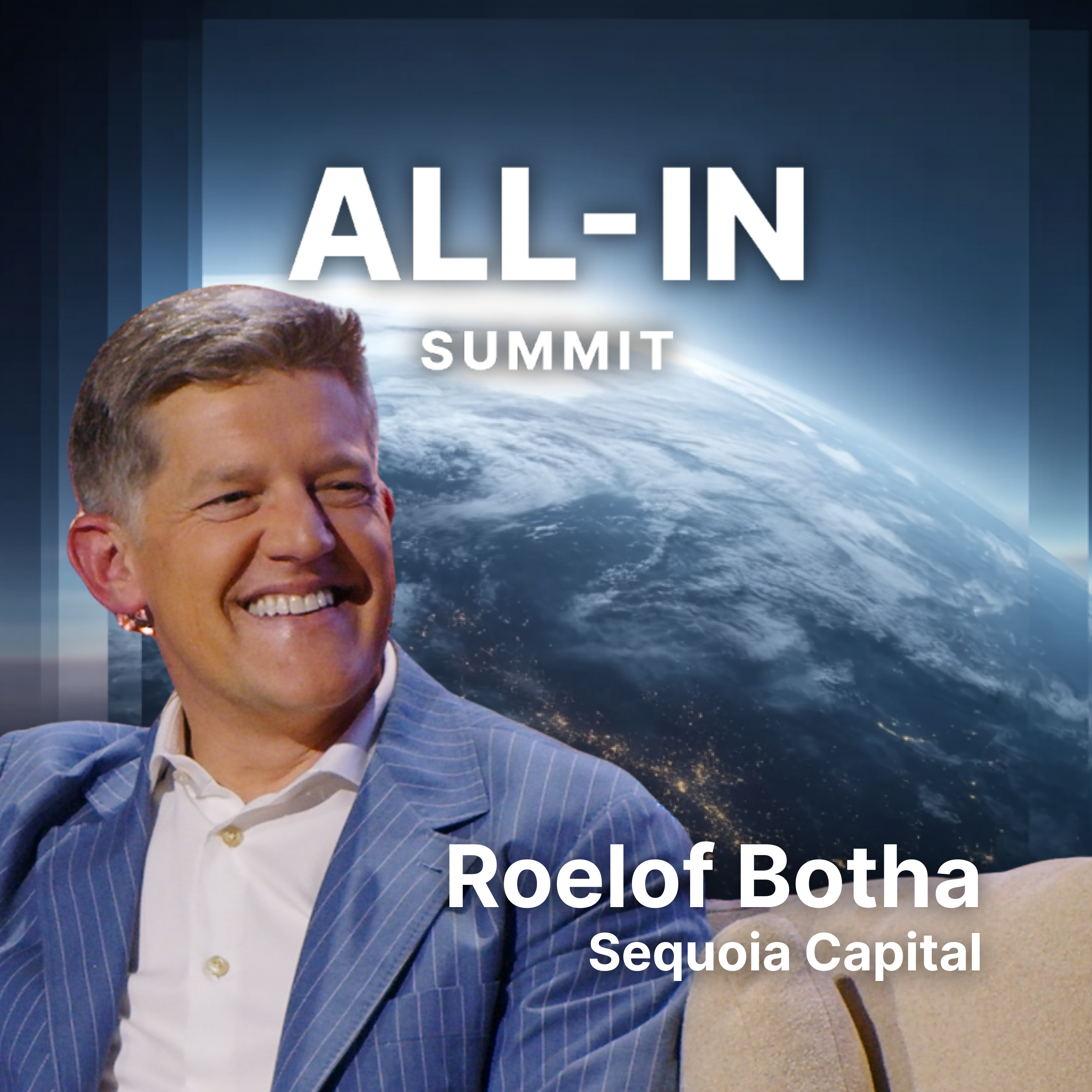
Instead of only investing in tech, Sequoia builds it. The firm employs as many developers as investors to create proprietary tools. This includes an AI system that summarizes business plans, analyzes team quality, and maps competitive dynamics, giving partners an immediate, data-rich overview of opportunities.
Sequoia operates on a consensus model where every partner must agree for an investment to proceed. A single "no" vote can kill a deal. This high-stakes process forces deep conviction, though partners can be convinced to override their own negative intuition if the rest of the team is overwhelmingly positive.
The venture capital industry invests $150-200B annually. To generate reasonable returns (3.5-4x), it needs over $700B in exit value each year. This translates to an unrealistic 40 exits of Figma's scale ($25B) annually, making VC a "return-free risk" for most limited partners.
Recognizing that top companies compound long after going public, Sequoia created the "Sequoia Capital Fund." Instead of distributing shares to LPs who often sell immediately, this vehicle holds positions in their best public companies. This strategy has generated an additional $6.7 billion in gains simply through patience.
Sequoia's founder taught that the best investments are in individuals who are both exceptional and "not so easy to get along with." These founders challenge convention and refuse to accept the world as it is, a trait that makes them unconventional but also uniquely capable of building category-defining companies.
The number of startups founded in China dropped from 51,000 in 2018 to just 1,200 in 2023, a 98% decrease. Roelof Botha attributes this collapse to unpredictable government regulations that stifle entrepreneurial risk-taking, serving as a warning for how policy could impact innovation elsewhere.