Get your free personalized podcast brief
We scan new podcasts and send you the top 5 insights daily.
Despite a lucrative $1.2B offer from Stripe, Jack Zhang declined after verbally agreeing. He questioned whether wealth and a five-year lockup as a GM would bring him happiness, deciding that pursuing his own vision as a founder was ultimately more valuable, even if it was a harder path.
Related Insights
When faced with a life-changing $500M acquisition offer, Ryan Smith's wife provided the clarifying perspective: "if it's going good, just keep it rolling." This, combined with a mentor's advice against selling, empowered him to turn it down and aim for a much larger outcome.

Seneca's founder turned down lucrative offers to run larger companies. For him, the unique, "insanely gratifying" value of founding is the ability to create the mission from scratch and dedicate his life force to a specific desired change in the world, a power not available in an existing CEO role.

Taking a small amount of money off the table via a secondary sale de-risks a founder's personal finances. This financial security empowers them to reject large acquisition offers and pursue a long-term, independent vision without the pressure of life-changing personal wealth decisions.
A VC recounts advising founders to accept a massive acquisition offer during a market bubble, but they refused. Prioritizing his 'people-first' philosophy, he supported their decision to continue building. This choice ultimately cost the company, investors, and employees a potential $25-30 billion outcome when the market later corrected, highlighting a major conflict between financial optimization and founder support.

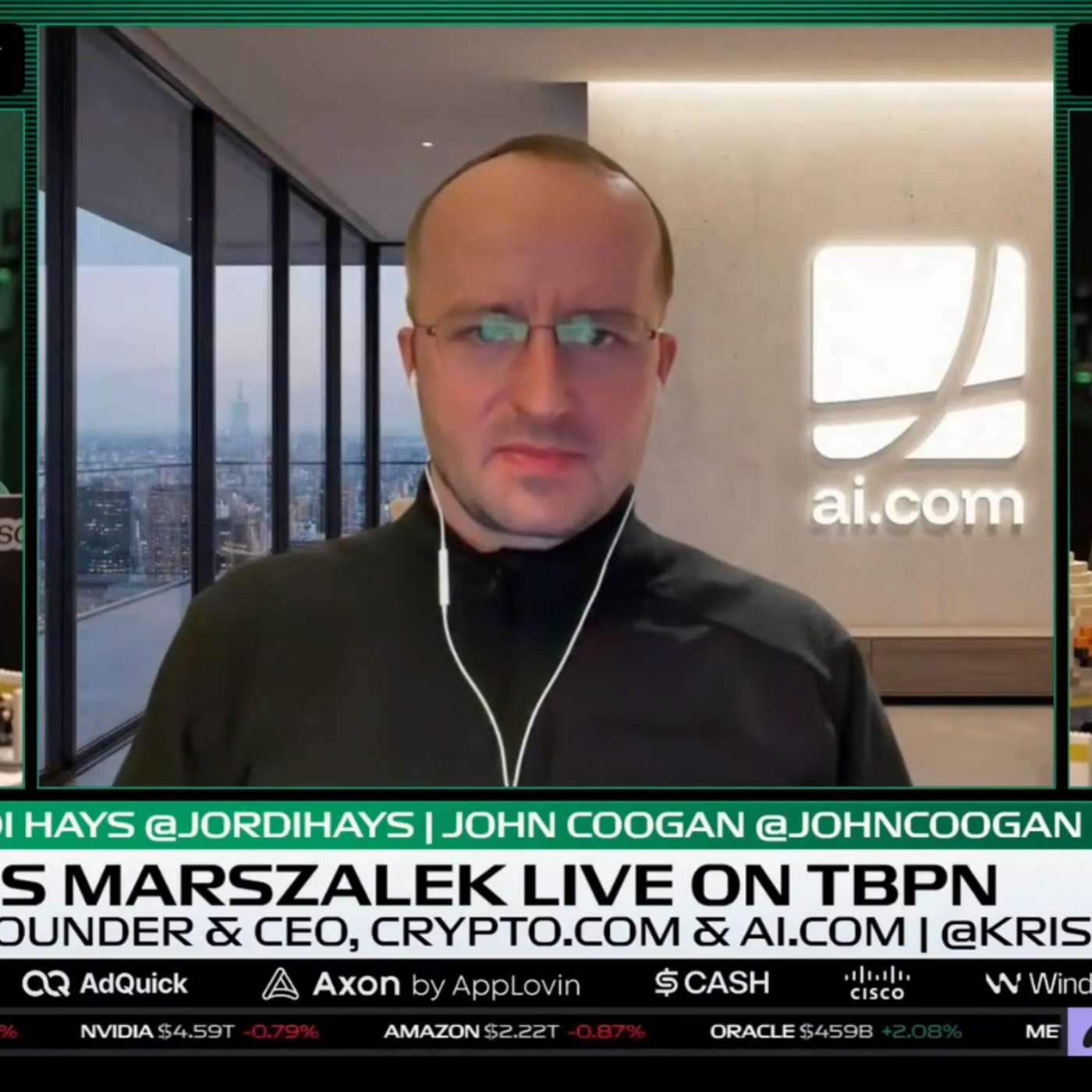
Immediately after acquiring AI.com for $70M, the founder received and rejected an offer exceeding $500M. This demonstrates extreme long-term conviction, prioritizing the potential of building a platform over a massive, quick profit.
When a founder faces a major acquisition offer, the pivotal question isn't just about valuation, but temperament. A board member should ask, "Are you built to be a public company CEO?" The intense stress and public scrutiny aren't for everyone. Pushing a founder who isn't an "IPO guy" to reject an offer can be a disastrous long-term decision.

Jack Zhang believes he would have sold Airwallex to Stripe if he lived in the US, where society is more "capital driven." In Melbourne, the incremental lifestyle benefits of a billion-dollar exit were less compelling. This cultural context was a key factor in his decision to remain independent.
In an environment where Big Tech acquires promising AI startups, building an independent company requires intrinsically mission-driven founders. Factory's CEO argues a founder's "relentlessness" is the key defense against lucrative but mission-derailing acquisition offers.
During an acqui-hire negotiation with Coinbase, the founders turned down a life-changing offer because it required leaving half their team behind. This ethical stand prioritized their long-serving employees over a massive personal financial windfall.
Airwallex CEO Jack Zhang compares his role to a professional athlete's. He doesn't describe the daily work as "fun" or "enjoyable." Instead, his fulfillment comes from the "high order of happiness" derived from competing at the highest level against giants like Stripe and changing a global industry.