AI will operate our computers, making our primary role monitoring. This frees people from desks, accelerating the need for a mobile interface like AR glasses to observe AI and bring work into the real world, transforming productivity.
Counterintuitively, the brain's most relaxed state is not during passive rest but during intense focus on a single activity. Engaging in challenging hobbies that require full concentration is a more effective way to decompress and manage stress than traditional relaxation.
A leader's responsibility is to act as a stress shield for their team and family. Instead of offloading pressure, they should develop personal mechanisms like exercise or meditation to process it, creating a more stable environment for others to perform.
Taking a small amount of money off the table via a secondary sale de-risks a founder's personal finances. This financial security empowers them to reject large acquisition offers and pursue a long-term, independent vision without the pressure of life-changing personal wealth decisions.
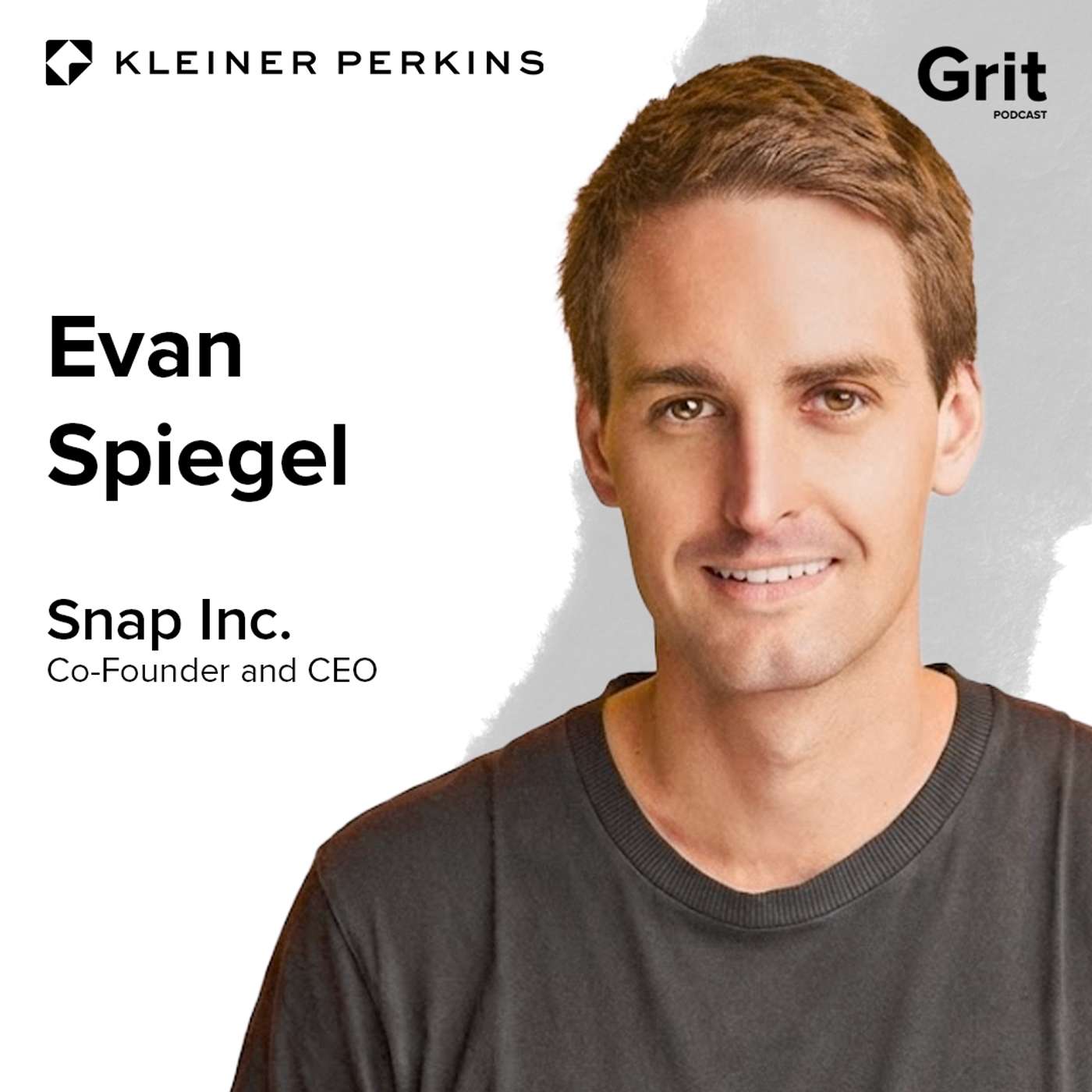
Evan Spiegel uses a unique proxy to gauge company culture: whether employees' children want to work at Snap. He believes kids are perceptive and will only express this desire if their parents consistently bring home positive energy and fulfillment from their job.
Companies like Snap are in a "crucible moment," stuck between tech giants and nimble startups. They face the high operational costs of a large user base without the revenue or market power of giants, creating intense pressure to innovate and operate efficiently.
While phones are single-app devices, augmented reality glasses can replicate a multi-monitor desktop experience on the go. This "infinite workstation" for multitasking is a powerful, under-discussed utility that could be a primary driver for AR adoption.
A leader's role is to provide perspective and solve problems, not to be the source of a direct report's motivation. Spiegel avoids hiring people who need external prodding, prioritizing leaders with a strong internal drive and locus of control.
Snap prefers hiring designers directly out of school, believing other tech companies instill bad habits like focusing on hierarchy over creative risk-taking. This approach, combined with a small, flat team structure, is designed to protect raw creativity.