Get your free personalized podcast brief
We scan new podcasts and send you the top 5 insights daily.
Airwallex CEO Jack Zhang compares his role to a professional athlete's. He doesn't describe the daily work as "fun" or "enjoyable." Instead, his fulfillment comes from the "high order of happiness" derived from competing at the highest level against giants like Stripe and changing a global industry.

Related Insights
True entrepreneurship often stems from a 'compulsion' to solve a problem, rather than a conscious decision to adopt a job title. This internal drive is what fuels founders through the difficult decisions, particularly when forced to choose between short-term financial engineering and long-term adherence to a mission of creating real value.

True entrepreneurial drive comes from a love of the process—the problem-solving, the competition, the building—not the lifestyle rewards it can buy. This intrinsic motivation provides the stamina to handle the constant pressure and challenges inherent in running a business.

The CEO role is not a joyful or fun job; it's a high-pressure, problem-solving position. Founders who love their craft, like software engineering, often take the CEO title out of necessity to solve a larger problem and bring a vision to life, not because they desire the job itself.
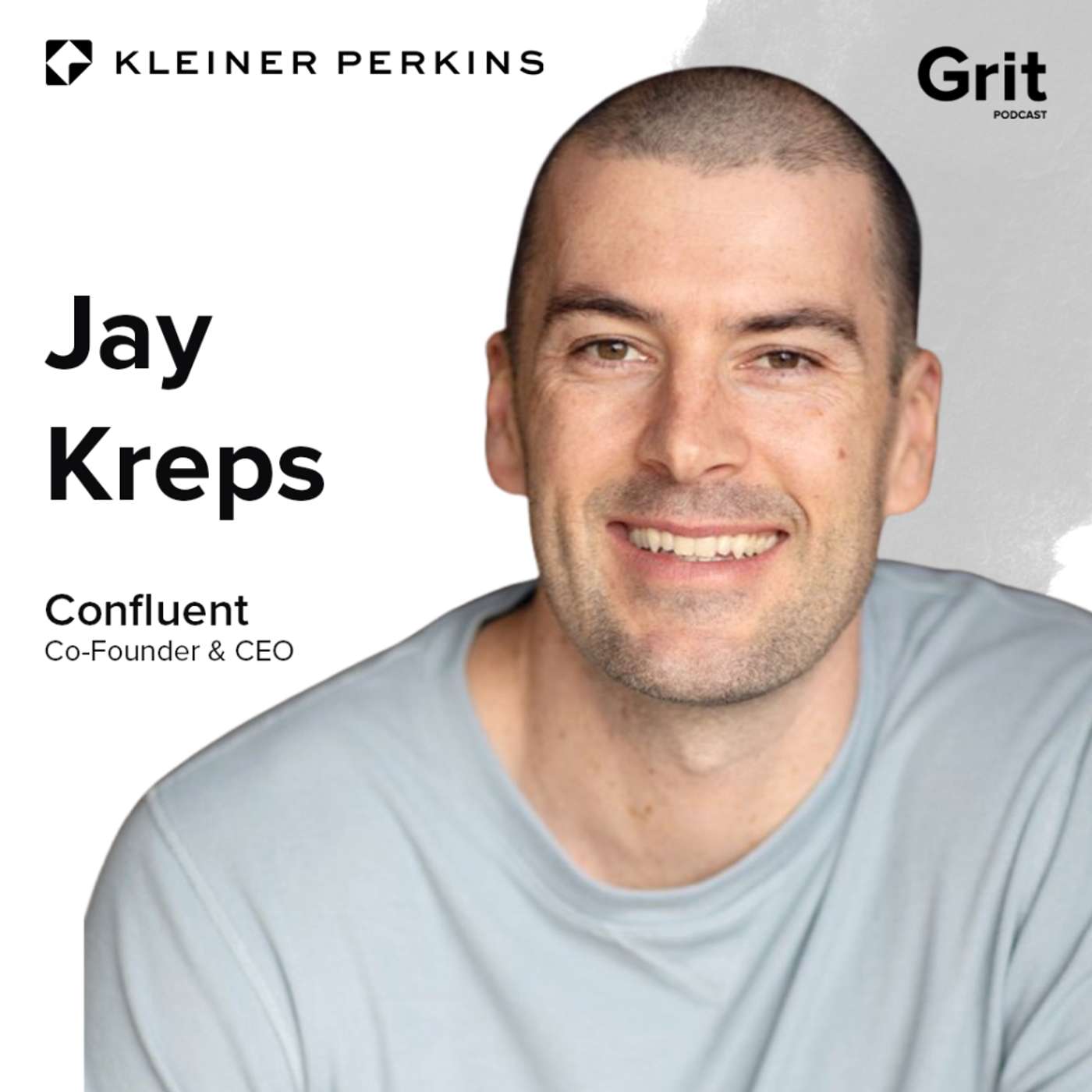
The most successful founders are motivated by winning and personal growth, not money. Wealth is a finite motivator that eventually runs out. Building a company based on the thrill of winning and intellectual stimulation creates a more sustainable drive for long-term success.

David Burke cautions that achieving a major exit can be an emotional letdown as money doesn't solve every problem. Instead, the most rewarding part of entrepreneurship is the personal growth—the character, discipline, and expertise gained during the process of building the company.

For founders, work isn't always "fun" in a leisurely sense but provides a feeling of being intensely "alive" with a clear purpose. This state is preferable to the "dull" feeling of lacking a mission, even though it comes with a constant "stress tax" that dampens pure enjoyment.
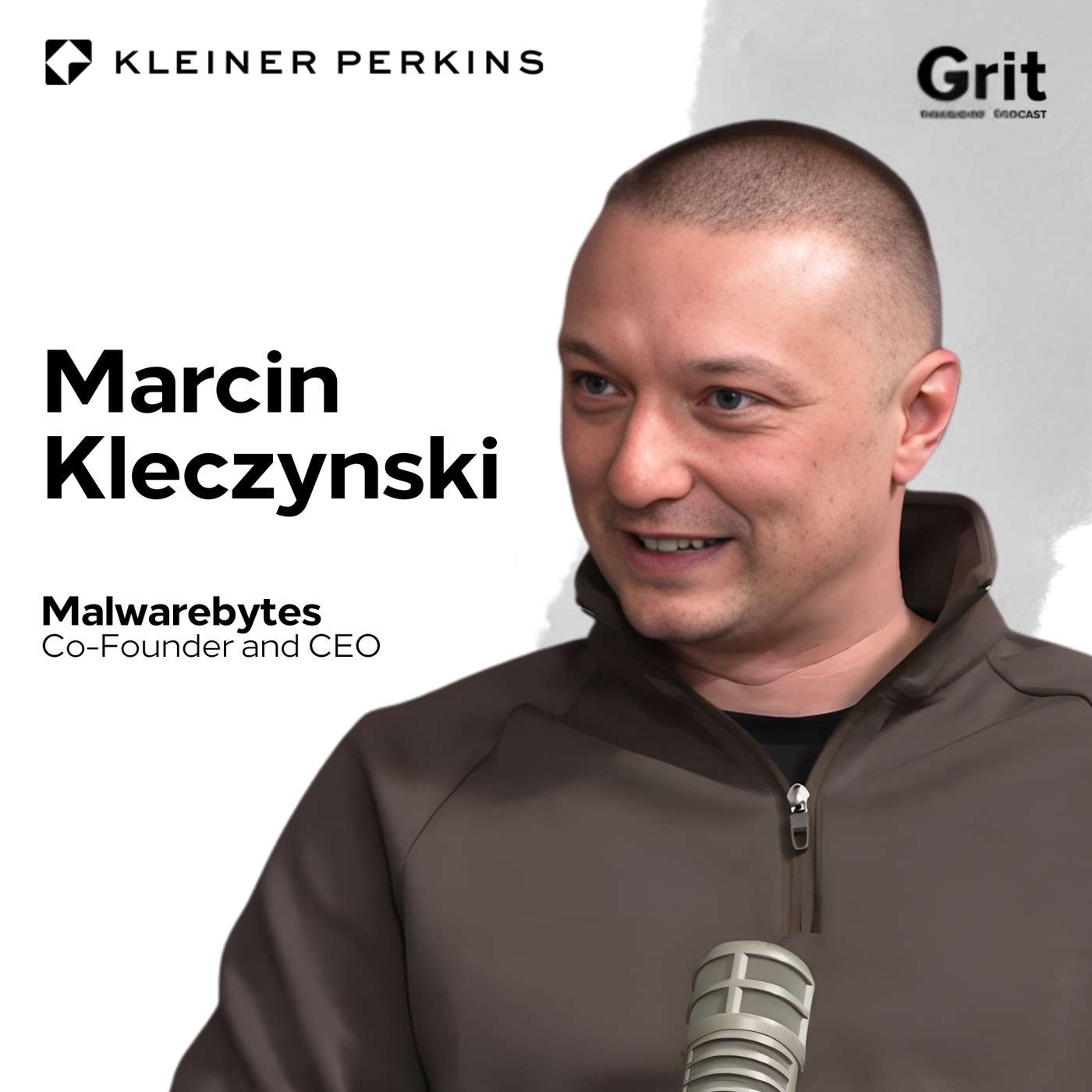
Despite a lucrative $1.2B offer from Stripe, Jack Zhang declined after verbally agreeing. He questioned whether wealth and a five-year lockup as a GM would bring him happiness, deciding that pursuing his own vision as a founder was ultimately more valuable, even if it was a harder path.
The intense drive for achievement in many founders isn't primarily about wealth accumulation. Instead, it's a competitive need to win and prove themselves, similar to an athlete's mindset. Financial success serves as a quantifiable measure of their performance in this "sport."
For a certain type of person, entrepreneurship isn't about money; it's an innate, unstoppable drive. Gary Vaynerchuk describes it as a compulsion, like a bug drawn to a light. Even with complete financial security, the need to build and compete is a non-negotiable part of their identity.
An excessive focus on financial rewards creates fear and risk-aversion. The most successful entrepreneurs are driven by the joy of the process, much like a child building a sandcastle. This detachment from the outcome enables the bold, creative, and resilient decision-making required for massive success.