Get your free personalized podcast brief
We scan new podcasts and send you the top 5 insights daily.
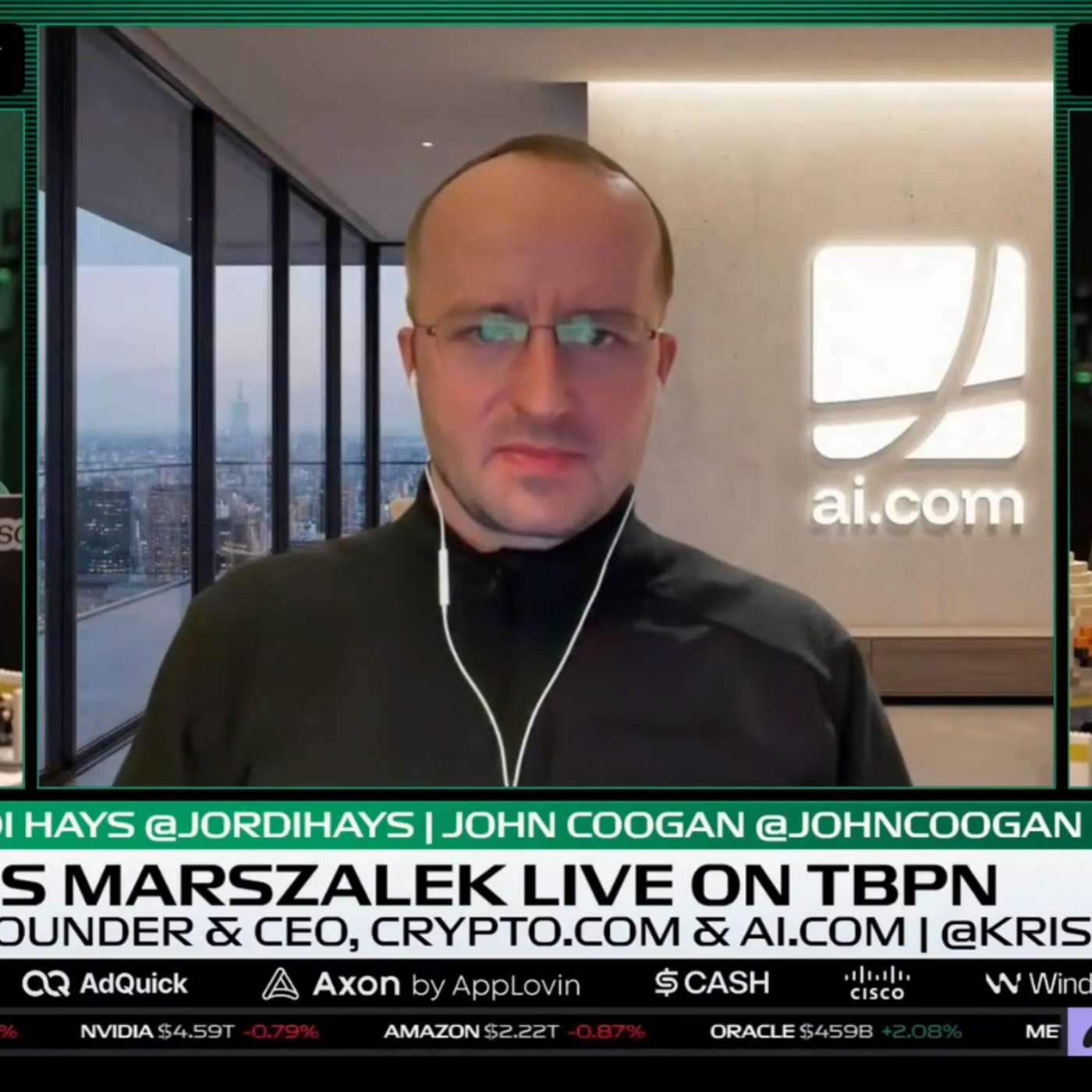
Immediately after acquiring AI.com for $70M, the founder received and rejected an offer exceeding $500M. This demonstrates extreme long-term conviction, prioritizing the potential of building a platform over a massive, quick profit.
Related Insights
When faced with a life-changing $500M acquisition offer, Ryan Smith's wife provided the clarifying perspective: "if it's going good, just keep it rolling." This, combined with a mentor's advice against selling, empowered him to turn it down and aim for a much larger outcome.

While first-time founders often optimize for the highest valuation, experienced entrepreneurs know this is a trap. They deliberately raise at a reasonable price, even if a higher one is available. This preserves strategic flexibility, makes future fundraising less perilous, and keeps options open—which is more valuable than a vanity valuation.
Taking a small amount of money off the table via a secondary sale de-risks a founder's personal finances. This financial security empowers them to reject large acquisition offers and pursue a long-term, independent vision without the pressure of life-changing personal wealth decisions.
Kris Marszalek, who bought AI.com for a reported $70M, was approached with an offer "starting at $500 million" almost immediately after the deal closed. He turned it down, demonstrating extreme long-term conviction to build a category-defining brand rather than take a massive, quick profit.

The founder of Crypto.com reveals their earlier $12M domain purchase was a tougher decision than the $70M for AI.com because it represented one-third of their capital during a bear market, highlighting that risk is relative to resources, not absolute cost.
Truly mission-driven founders prioritize their ultimate vision over immense, early financial gain. At 17, Demis Hassabis turned down a million-pound offer (worth ~$8M in today's money) to stay at a game company, choosing instead to study AI at Cambridge and remain broke.
In an environment where Big Tech acquires promising AI startups, building an independent company requires intrinsically mission-driven founders. Factory's CEO argues a founder's "relentlessness" is the key defense against lucrative but mission-derailing acquisition offers.

Founders motivated solely by a financial outcome will often quit when faced with a large, early buyout offer. The most resilient founders are driven by a deeper, almost vengeful need to prove others wrong or redeem a past failure, making them unstoppable.

The most resilient founders are motivated by something beyond wealth, like proving doubters wrong (revenge) or recovering from a past failure (redemption). This drive ensures they persevere through tough times or when facing a massive buyout offer that a purely financially motivated person would accept.

Two founders rejected a $20M acquisition offer they felt was too low. After successfully pivoting their business during the pandemic, they returned to the same buyer and received a doubled offer of $40M with better terms. This shows how patience and focusing on business performance can dramatically improve an exit outcome.
