Get your free personalized podcast brief
We scan new podcasts and send you the top 5 insights daily.
During an acqui-hire negotiation with Coinbase, the founders turned down a life-changing offer because it required leaving half their team behind. This ethical stand prioritized their long-serving employees over a massive personal financial windfall.
Related Insights
When faced with a life-changing $500M acquisition offer, Ryan Smith's wife provided the clarifying perspective: "if it's going good, just keep it rolling." This, combined with a mentor's advice against selling, empowered him to turn it down and aim for a much larger outcome.

Taking a small amount of money off the table via a secondary sale de-risks a founder's personal finances. This financial security empowers them to reject large acquisition offers and pursue a long-term, independent vision without the pressure of life-changing personal wealth decisions.
A VC recounts advising founders to accept a massive acquisition offer during a market bubble, but they refused. Prioritizing his 'people-first' philosophy, he supported their decision to continue building. This choice ultimately cost the company, investors, and employees a potential $25-30 billion outcome when the market later corrected, highlighting a major conflict between financial optimization and founder support.

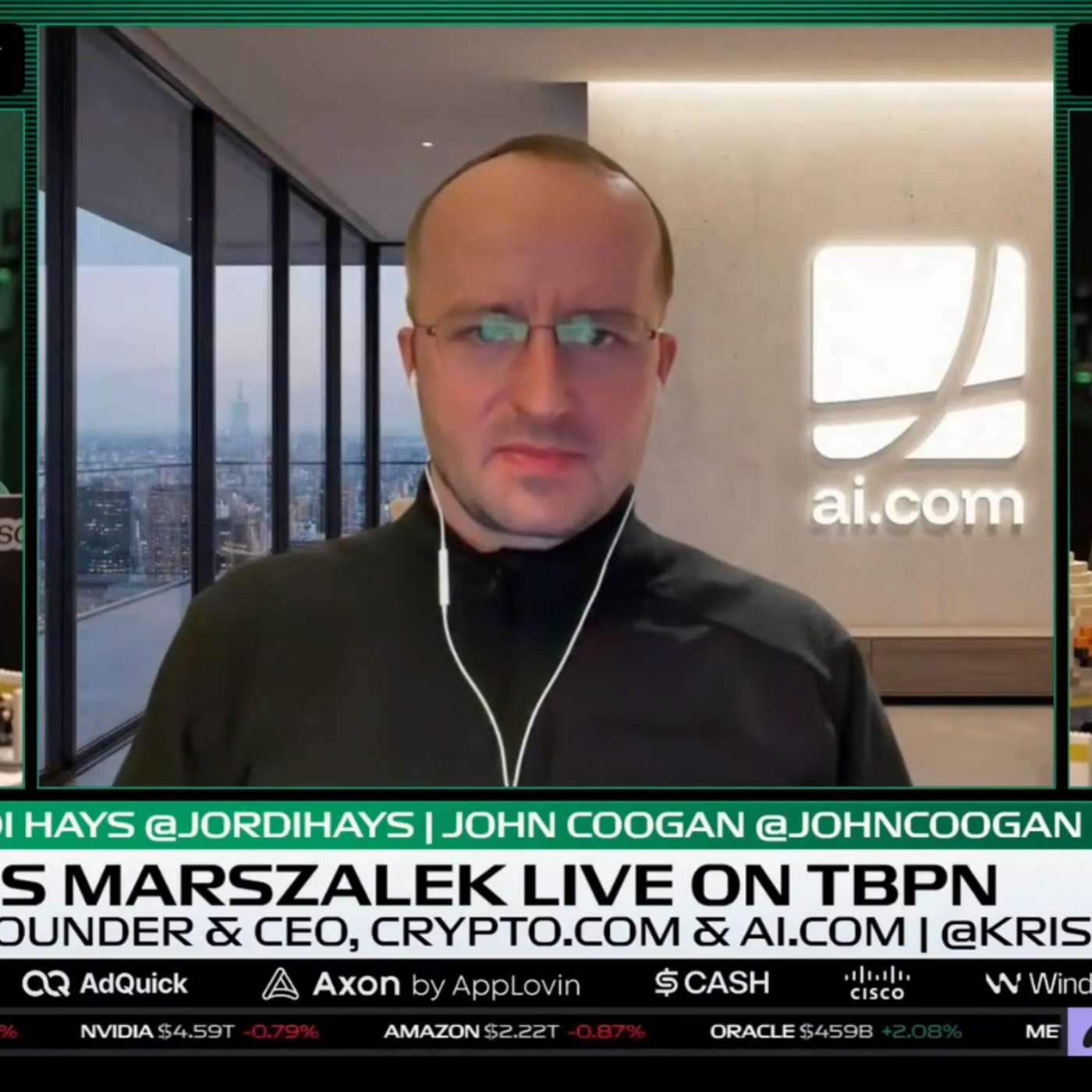
Immediately after acquiring AI.com for $70M, the founder received and rejected an offer exceeding $500M. This demonstrates extreme long-term conviction, prioritizing the potential of building a platform over a massive, quick profit.
When investors who previously wrote off your startup try to maximize their return at the team's expense during an acquisition, use a co-founder negotiation tactic. One founder can play the 'bad cop' who is unwilling to concede on team retention terms, shielding the team's financial outcome.
Andy Cohen recounts walking away from a deal post-LOI after the target tried to renegotiate terms to favor preferred shareholders over common employees. Even though F5's economics were unaffected and lawyers offered indemnification, the company refused to be associated with such practices, prioritizing ethical principles and reputation over closing the deal.

The podcast host chose to forego scaling his company from a $30M valuation to a potential $300M+ because it would have required changing the team and culture he cherished, illustrating a key tradeoff between wealth and values.

Beyond financials or deal terms, the single most cited frustration for founders post-acquisition is the loss of control over the company culture they built. This emotional attachment often outweighs other challenges, highlighting what founders truly value.

When founders receive life-altering offers (e.g., billions of dollars), the long-term reputational game of venture capital collapses into a single-turn, "one and done" decision. This game theory shift incentivizes taking the immediate payout, overriding loyalty.

Two founders rejected a $20M acquisition offer they felt was too low. After successfully pivoting their business during the pandemic, they returned to the same buyer and received a doubled offer of $40M with better terms. This shows how patience and focusing on business performance can dramatically improve an exit outcome.
