Get your free personalized podcast brief
We scan new podcasts and send you the top 5 insights daily.
Taking a small amount of money off the table via a secondary sale de-risks a founder's personal finances. This financial security empowers them to reject large acquisition offers and pursue a long-term, independent vision without the pressure of life-changing personal wealth decisions.
Related Insights
Successful founders prioritize cash upfront over potentially larger payouts from complex earnouts. Earnouts often underperform because founders lose control of the business's future performance, leading to dissatisfaction despite a higher on-paper valuation.

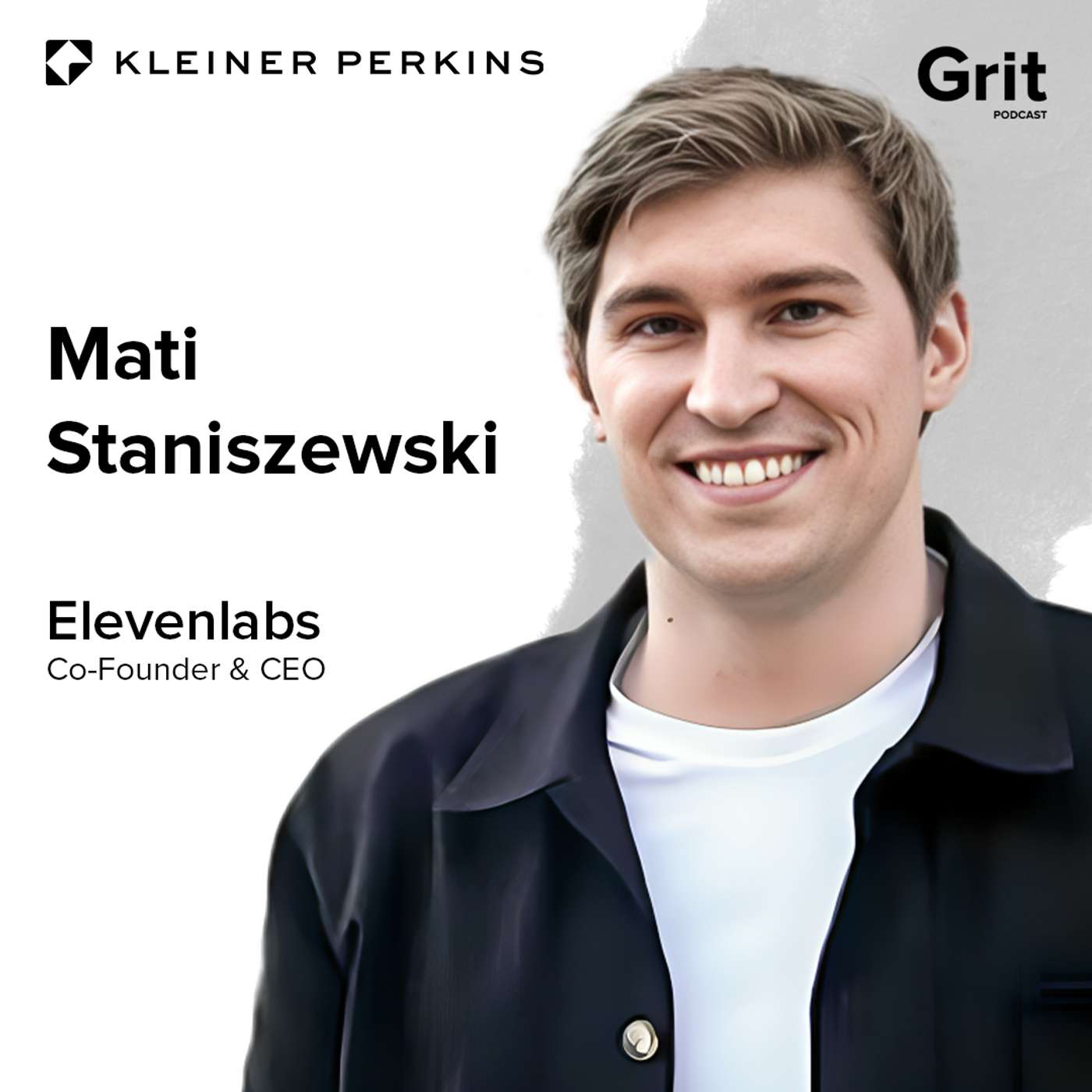
ElevenLabs raised a $100M round entirely for employee secondaries. The CEO's rationale is that by allowing early team members to de-risk and realize financial gains, it solidifies their commitment to the company's multi-year mission rather than creating pressure for a quick exit.
Serial acquirer Lifco improves post-acquisition performance by having sellers retain an ownership stake in their business. This goes beyond typical earn-outs, keeping the founder's expertise and incentives aligned with the parent company for long-term growth, rather than just hitting short-term targets.
When a founder faces a major acquisition offer, the pivotal question isn't just about valuation, but temperament. A board member should ask, "Are you built to be a public company CEO?" The intense stress and public scrutiny aren't for everyone. Pushing a founder who isn't an "IPO guy" to reject an offer can be a disastrous long-term decision.

Founders who try to perfectly time an exit with market conditions are twice as likely to have second thoughts and report less satisfaction. The most fulfilled founders are those who sell when they are personally ready, regardless of market timing.
An exit that provides a significant financial win but isn't enough to retire on can be a powerful motivator. It acts as a 'proof point' that validates the founder's ability while leaving them hungry for a much larger outcome, making them more driven than founders who are either pre-success or have achieved a life-changing exit.

Vested works directly with employees because startups find small, one-off secondary transactions burdensome due to legal fees and cap table complexity. However, this dynamic inverts at scale. Once Vested facilitates millions in transactions for a single company's stock, the startup has a strong incentive to partner on a formal liquidity program.

Vested neutralizes non-delivery risk, a major concern in private markets. By funding exercises, they ensure the employee retains a majority of their stock, aligning incentives. Small deal sizes ($50k-$100k) make it economically irrational for an employee to default and ruin their reputation, leading to a 100% delivery rate.
The number of founders taking secondary liquidity after their seed round is twice as high as the 2021 peak. While this de-risks the journey for founders, there is almost no parallel liquidity offered to early employees, creating a growing divide in early-stage risk and reward.

To retain founders who've already cashed out, use a dual incentive. Offer rollover equity in the new parent company for long-term alignment ('a second bite at the apple'), and a cash earn-out tied to short-term growth targets. This financial structure is crucial when managing wealthy, independent operators who don't need the job.