Get your free personalized podcast brief
We scan new podcasts and send you the top 5 insights daily.
In an environment where Big Tech acquires promising AI startups, building an independent company requires intrinsically mission-driven founders. Factory's CEO argues a founder's "relentlessness" is the key defense against lucrative but mission-derailing acquisition offers.

Related Insights
True entrepreneurship often stems from a 'compulsion' to solve a problem, rather than a conscious decision to adopt a job title. This internal drive is what fuels founders through the difficult decisions, particularly when forced to choose between short-term financial engineering and long-term adherence to a mission of creating real value.

Seneca's founder turned down lucrative offers to run larger companies. For him, the unique, "insanely gratifying" value of founding is the ability to create the mission from scratch and dedicate his life force to a specific desired change in the world, a power not available in an existing CEO role.

Employees at large companies who independently work nights and weekends on projects outside the roadmap, driven by customer obsession, are exhibiting the key traits of a founder. This behavior, while potentially disruptive to their team, signals a strong, innate entrepreneurial drive ready to be unleashed.

A founder's deep, intrinsic passion for their company's mission is critical for long-term success. Even with a sound business model, a lack of genuine care leads to burnout and failure when challenges arise. Leaders cannot sustain success in areas they consider a distraction from their "real" passion, like AGI research versus product monetization.
Many founders start companies simply because they want the title, not because they are obsessed with a mission. This is a critical mistake, as only a deep, personal passion for a problem can sustain a founder through the inevitable hardships of building a startup.
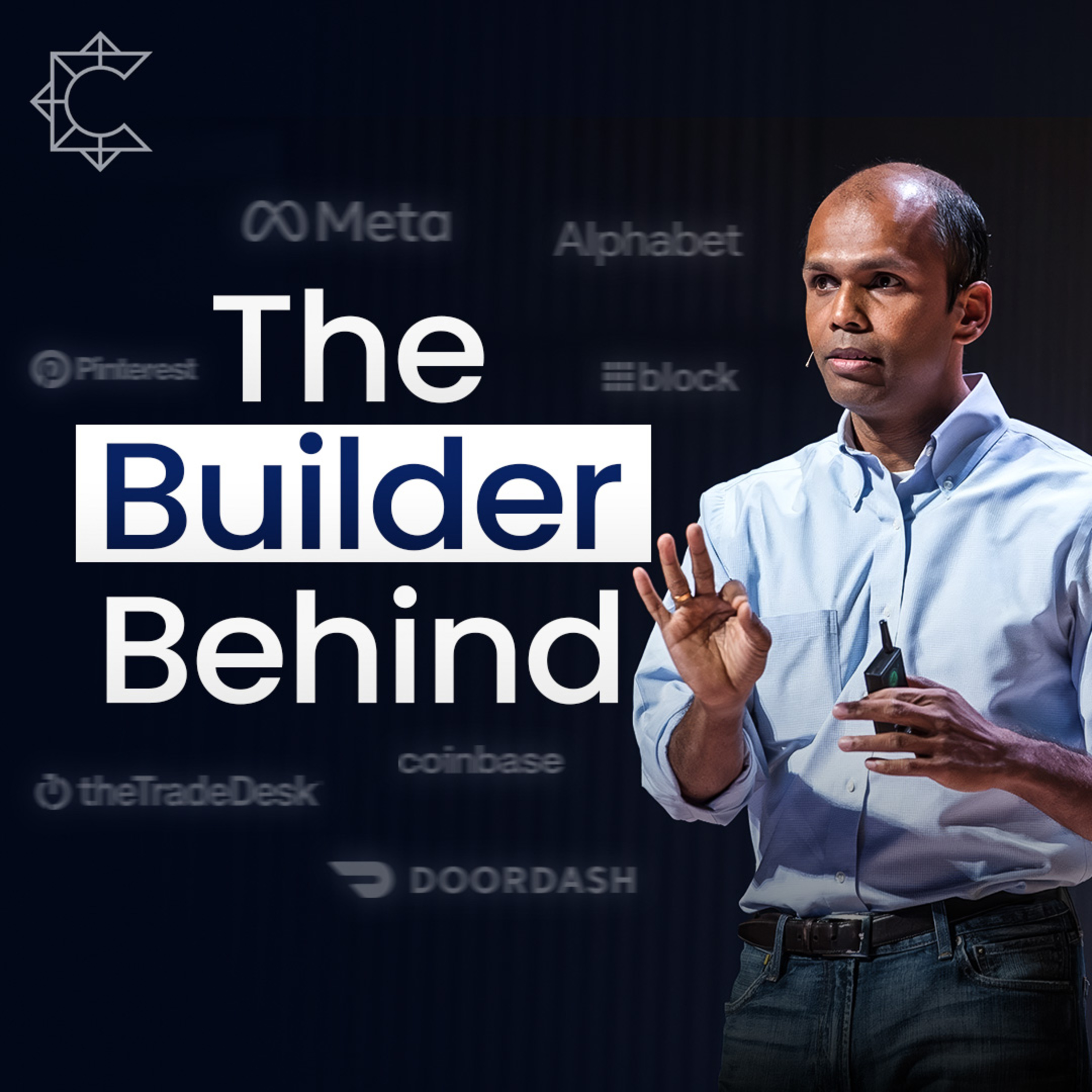
Instead of chasing trends or pivoting every few weeks, founders should focus on a singular mission that stems from their unique expertise and conviction. This approach builds durable, meaningful companies rather than simply chasing valuations.

In capital-intensive sectors, the idea is secondary to the founder's ability to act as a magnet. Their primary function is to relentlessly attract elite talent and secure continuous funding to survive long development timelines before revenue.
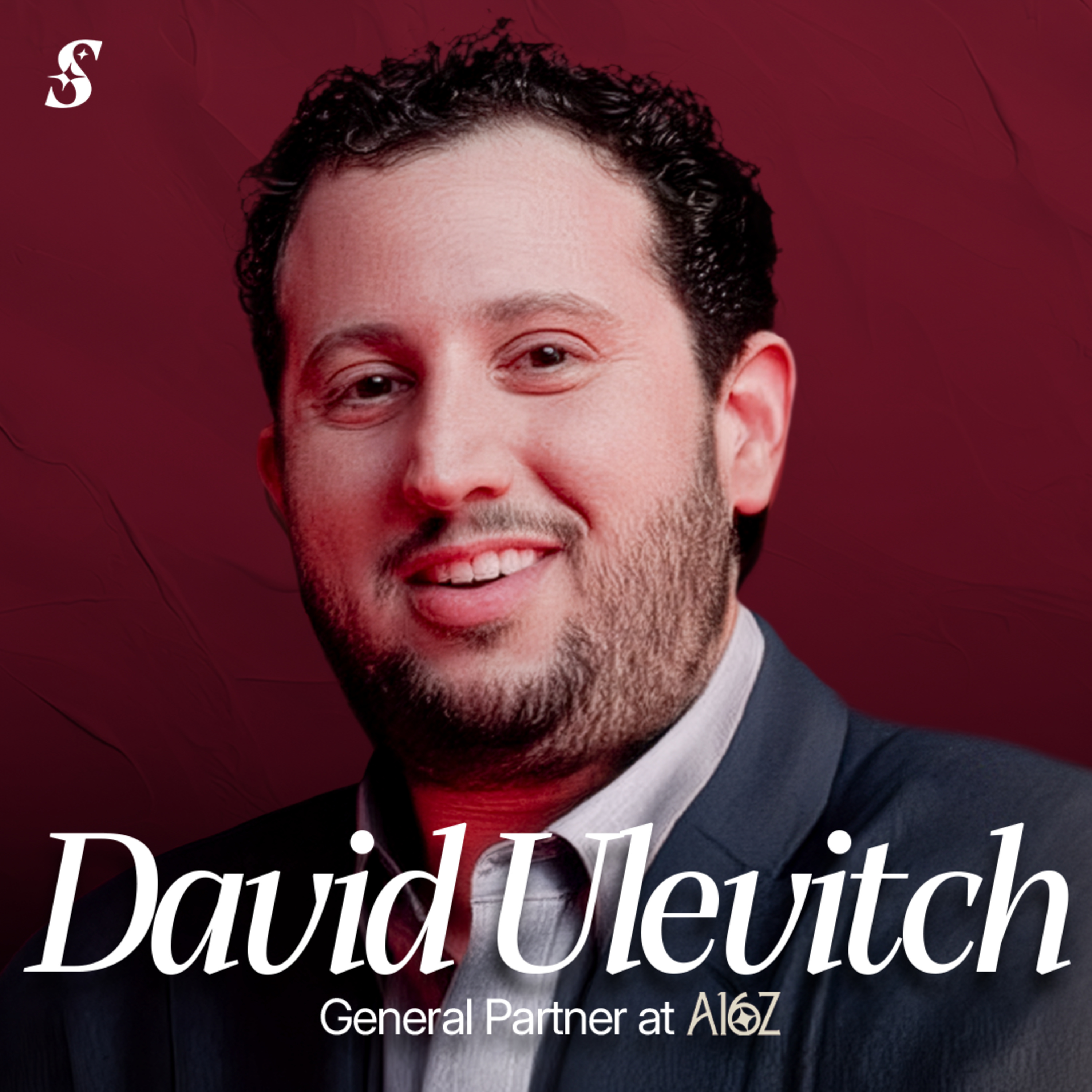
A primary motivator for many successful entrepreneurs isn't just the desire to build something new, but a fundamental incompatibility with corporate structure. This craving for autonomy makes entrepreneurship less of a career choice and more of a personal necessity, a powerful 'push' factor away from traditional employment.

Despite Meta offering nine-figure bonuses to retain top AI employees, its chief AI scientist is leaving to launch his own startup. This proves that in a hyper-competitive field like AI, the potential upside and autonomy of being a founder can be more compelling than even the most extravagant corporate retention packages.

Founder-market fit isn't about resume alignment; it's about a relentless obsession. The litmus test: could you talk about your company's mission for an hour at Thanksgiving without getting tired? This deep passion is a prerequisite for building in public, recruiting top talent, and winning in a crowded market.
