Get your free personalized podcast brief
We scan new podcasts and send you the top 5 insights daily.
Seneca's founder turned down lucrative offers to run larger companies. For him, the unique, "insanely gratifying" value of founding is the ability to create the mission from scratch and dedicate his life force to a specific desired change in the world, a power not available in an existing CEO role.

Related Insights
True entrepreneurship often stems from a 'compulsion' to solve a problem, rather than a conscious decision to adopt a job title. This internal drive is what fuels founders through the difficult decisions, particularly when forced to choose between short-term financial engineering and long-term adherence to a mission of creating real value.
Every successful founder journey includes a point where quitting is the most rational decision. Spencer Skates argues the only way to persevere is to anchor to a deeply held intrinsic motivation or a "mission that's greater than yourself." External motivators like money or recognition are insufficient to overcome this existential pain.
Managerial companies derive legitimacy from "the plan," creating enormous inertia against change. In founder-led companies, legitimacy is vested in the founder as an individual. This is their key structural advantage, allowing the entire organization to pivot on a dime based on conviction.

Many founders start companies simply because they want the title, not because they are obsessed with a mission. This is a critical mistake, as only a deep, personal passion for a problem can sustain a founder through the inevitable hardships of building a startup.

The CEO role is not a joyful or fun job; it's a high-pressure, problem-solving position. Founders who love their craft, like software engineering, often take the CEO title out of necessity to solve a larger problem and bring a vision to life, not because they desire the job itself.
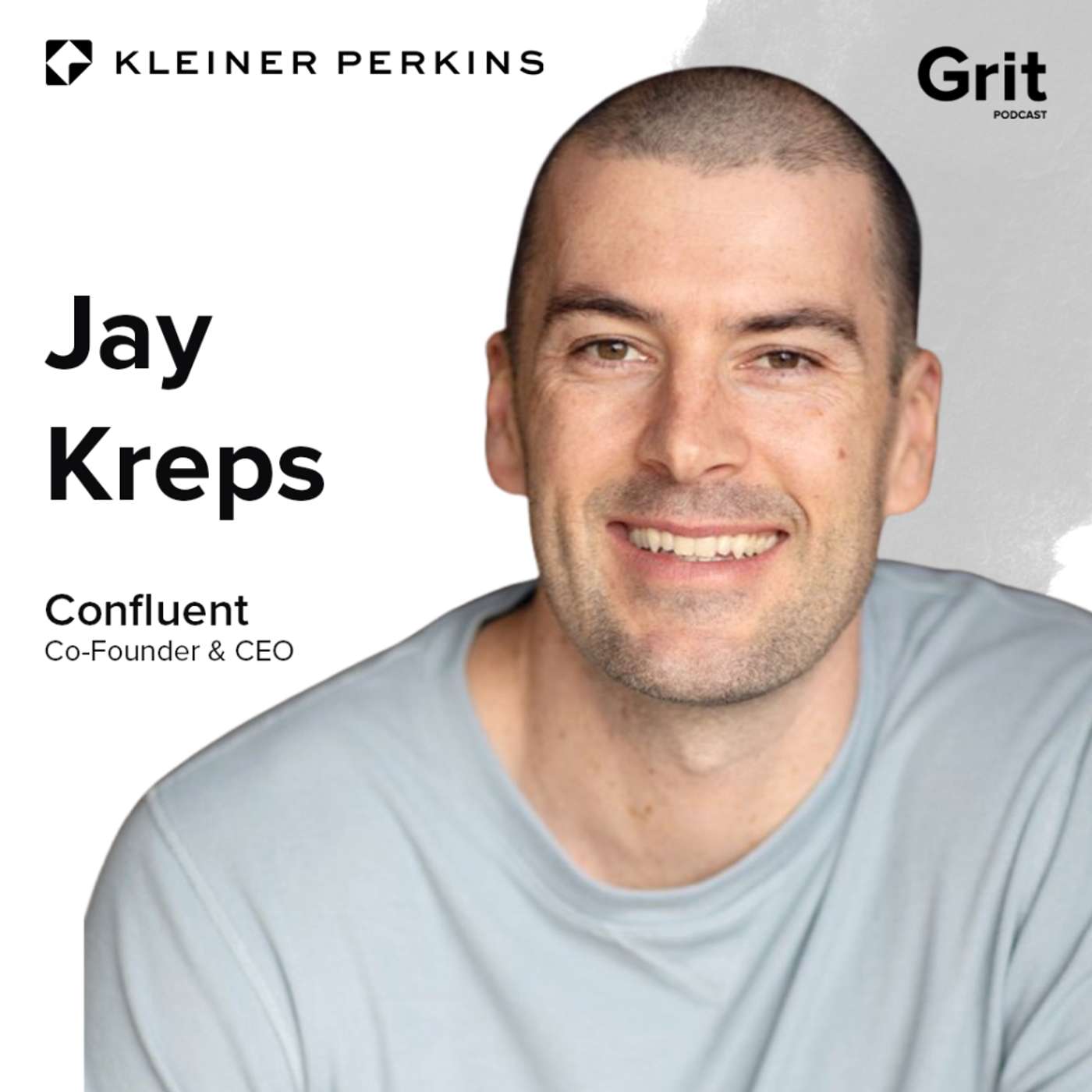
The founder's motivation for leaving a stable corporate career is a clear, personal vision: sitting in a rocking chair at his plant store when he's old. This tangible, lifestyle-oriented goal provides a powerful 'why' that transcends financial metrics and justifies entrepreneurial risk.