Get your free personalized podcast brief
We scan new podcasts and send you the top 5 insights daily.
Paradoxically, by only hardening defenses and not retaliating against Russia's "grey zone" attacks, Europe fails to establish deterrence. This inaction may embolden Russia to continue escalating until a catastrophic miscalculation triggers a major conflict.

Related Insights
Vladimir Putin's willingness to attack NATO countries signals a major strategic escalation. This move is likely calculated based on the perception that the U.S. military is overextended and depleted from its engagement in Iran, creating a window of opportunity for Russia to test NATO's resolve with more aggressive actions.

The next escalation in the Russia-NATO conflict won't be conventional warfare but an expansion of the current "shadow war." This involves asymmetric tactics like cyberattacks, destroying undersea cables, using drones in allied airspace, and funding vandalism of critical infrastructure to divide and destabilize European allies from within.

The deniable nature of Russia's covert actions is a strategic asset. It allows Russia to benefit from general fear and uncertainty, as it can be blamed for unrelated disruptions like domestic protests, amplifying its perceived power at no extra cost.
The unified fear of Russia is compelling Europe to pivot its economic focus towards industrial and defense manufacturing. This is a significant strategic shift for a region recently more focused on regulation and legacy industries, potentially revitalizing its industrial base.
Russia sees itself as the weaker party against NATO and is deterred from a direct attack. The greater danger lies in miscalculation, misunderstandings, or incidents (like instability in Belarus or hybrid warfare) spiraling out of control.

A ceasefire won't eliminate underlying tensions. Instead, it could create new flashpoints, such as a breakdown of the agreement or instability in Belarus, potentially dragging NATO into a future conflict more directly than the current war.
Even when Russian drones or jets enter NATO airspace by "accident," it is not a mistake but a deliberate policy. Choosing to operate pilots and missile systems with a high tolerance for error is a form of calculated recklessness. This tactic applies constant pressure on Europe and signals a high-risk appetite without firing a shot.
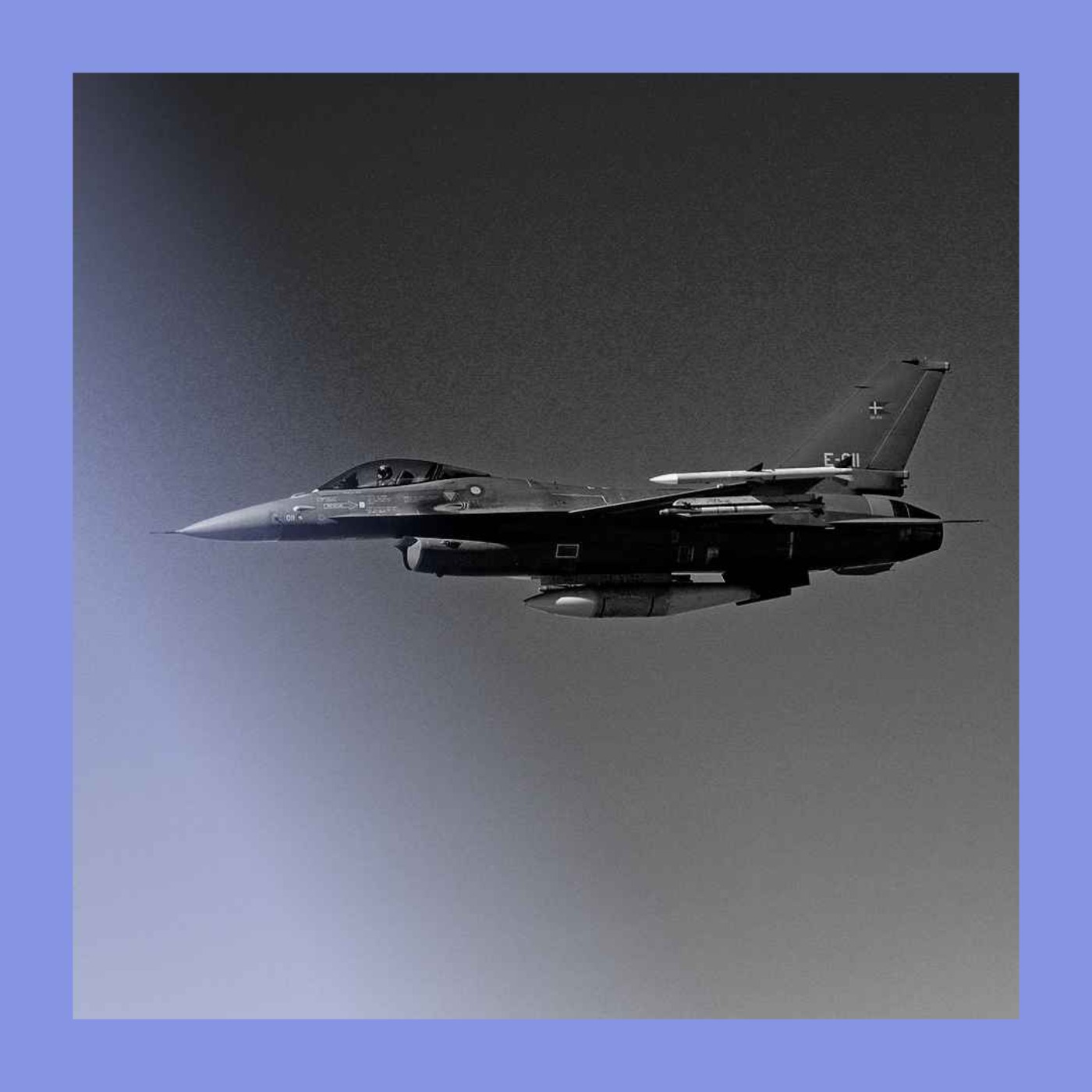
Russia's provocations are designed to create dilemmas for European nations, forcing them to question whether the US would support a kinetic response. This uncertainty weakens the transatlantic alliance and strengthens Russia's psychological position for future negotiations over Ukraine and European security.
This strategy involves supplying Ukraine only with defensive systems (like air defense) during peacetime. Offensive capabilities (long-range missiles) would be stockpiled nearby and immediately provided if Russia violates the ceasefire, creating a powerful incentive for compliance.
Europe faces a dual threat: an aggressive Russia waging hybrid warfare on its eastern flank, and a Trump-led America that actively prefers a fragmented, weaker Europe. A disunified EU allows the U.S. to cut more favorable bilateral deals, leaving Europe vulnerable from both sides without its traditional transatlantic security guarantee.