Get your free personalized podcast brief
We scan new podcasts and send you the top 5 insights daily.
Vladimir Putin's willingness to attack NATO countries signals a major strategic escalation. This move is likely calculated based on the perception that the U.S. military is overextended and depleted from its engagement in Iran, creating a window of opportunity for Russia to test NATO's resolve with more aggressive actions.

Related Insights
The next escalation in the Russia-NATO conflict won't be conventional warfare but an expansion of the current "shadow war." This involves asymmetric tactics like cyberattacks, destroying undersea cables, using drones in allied airspace, and funding vandalism of critical infrastructure to divide and destabilize European allies from within.

NATO's structure relies on allies following an American general's command under Article 5. After witnessing the "horrible, catastrophic failure" of US strategy in Iran, European nations will no longer entrust their militaries to US leadership, making the alliance functionally obsolete.

Iran's strategy is not purely defensive. It is actively trying to escalate the conflict and draw in more countries by targeting other nations, such as firing a missile towards Turkey, a NATO member. This tactic aims to increase the political and military cost for the United States.

Russia sees itself as the weaker party against NATO and is deterred from a direct attack. The greater danger lies in miscalculation, misunderstandings, or incidents (like instability in Belarus or hybrid warfare) spiraling out of control.

Russia's public support for Trump's Greenland move is a strategic play to encourage him. Moscow's goal is to provoke Trump into fracturing NATO, the very alliance created to contain Russian aggression, by having its leader attack an allied territory.

NATO's integrity is bifurcated. Its formal components—the military structure, institutions, and treaty—remain intact. However, its core function as a deterrent has been severely damaged because the US President has made the Article 5 commitment conditional. This undermines the perceived 'will' to defend allies, which is what truly deters adversaries like Russia.

Even when Russian drones or jets enter NATO airspace by "accident," it is not a mistake but a deliberate policy. Choosing to operate pilots and missile systems with a high tolerance for error is a form of calculated recklessness. This tactic applies constant pressure on Europe and signals a high-risk appetite without firing a shot.
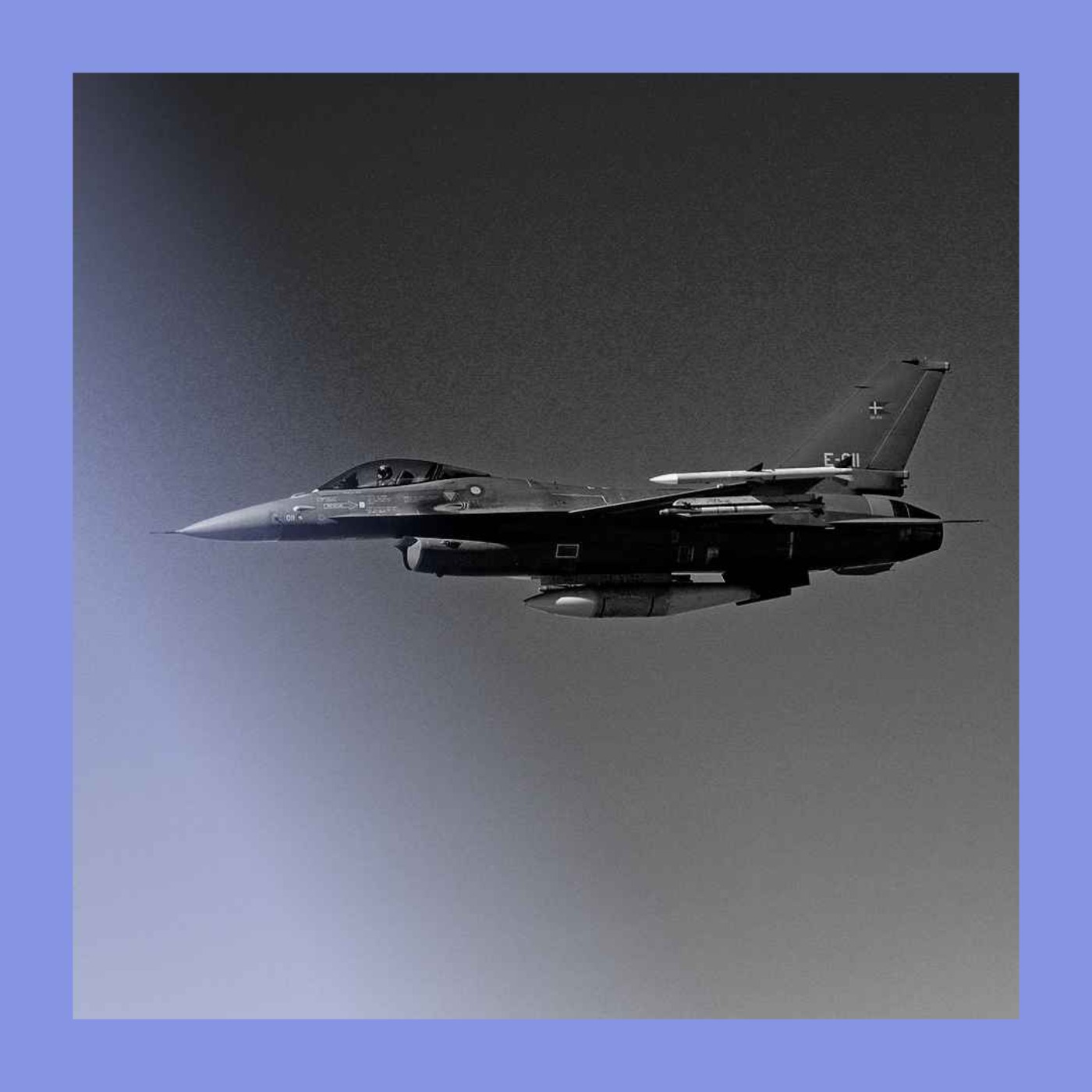
Russia's provocations are designed to create dilemmas for European nations, forcing them to question whether the US would support a kinetic response. This uncertainty weakens the transatlantic alliance and strengthens Russia's psychological position for future negotiations over Ukraine and European security.
The core of U.S. global power relative to its adversaries is not its standalone might, but its network of alliances. The U.S. is stronger than China because of its East Asian allies and stronger than Russia because of NATO. Eroding the trust within these alliances is a self-inflicted strategic wound.
The Iran conflict serves the strategic interests of China and Russia by distracting US attention and draining its military resources. It consumes critical assets (like Patriot missiles needed for Ukraine) and diverts political focus from containing America's primary geopolitical rivals in Europe and Asia.