Get your free personalized podcast brief
We scan new podcasts and send you the top 5 insights daily.
Europe faces a dual threat: an aggressive Russia waging hybrid warfare on its eastern flank, and a Trump-led America that actively prefers a fragmented, weaker Europe. A disunified EU allows the U.S. to cut more favorable bilateral deals, leaving Europe vulnerable from both sides without its traditional transatlantic security guarantee.
Related Insights
The next escalation in the Russia-NATO conflict won't be conventional warfare but an expansion of the current "shadow war." This involves asymmetric tactics like cyberattacks, destroying undersea cables, using drones in allied airspace, and funding vandalism of critical infrastructure to divide and destabilize European allies from within.
The unified fear of Russia is compelling Europe to pivot its economic focus towards industrial and defense manufacturing. This is a significant strategic shift for a region recently more focused on regulation and legacy industries, potentially revitalizing its industrial base.
America's unpredictable, "law of the jungle" approach doesn't embolden adversaries like Russia or China, who already operate this way. Instead, it forces traditional allies (Canada, Europe, Japan) to hedge their bets, decouple their interests, and reduce reliance on an unreliable United States for upholding international law.
With the U.S. stepping back from its traditional leadership role, European countries are creating new, direct alliances to ensure their own security. A notable example is the emerging UK-Scandinavia-Baltic-Poland axis, which signals a fundamental shift in the continent's geopolitical architecture away from a singular reliance on Washington.

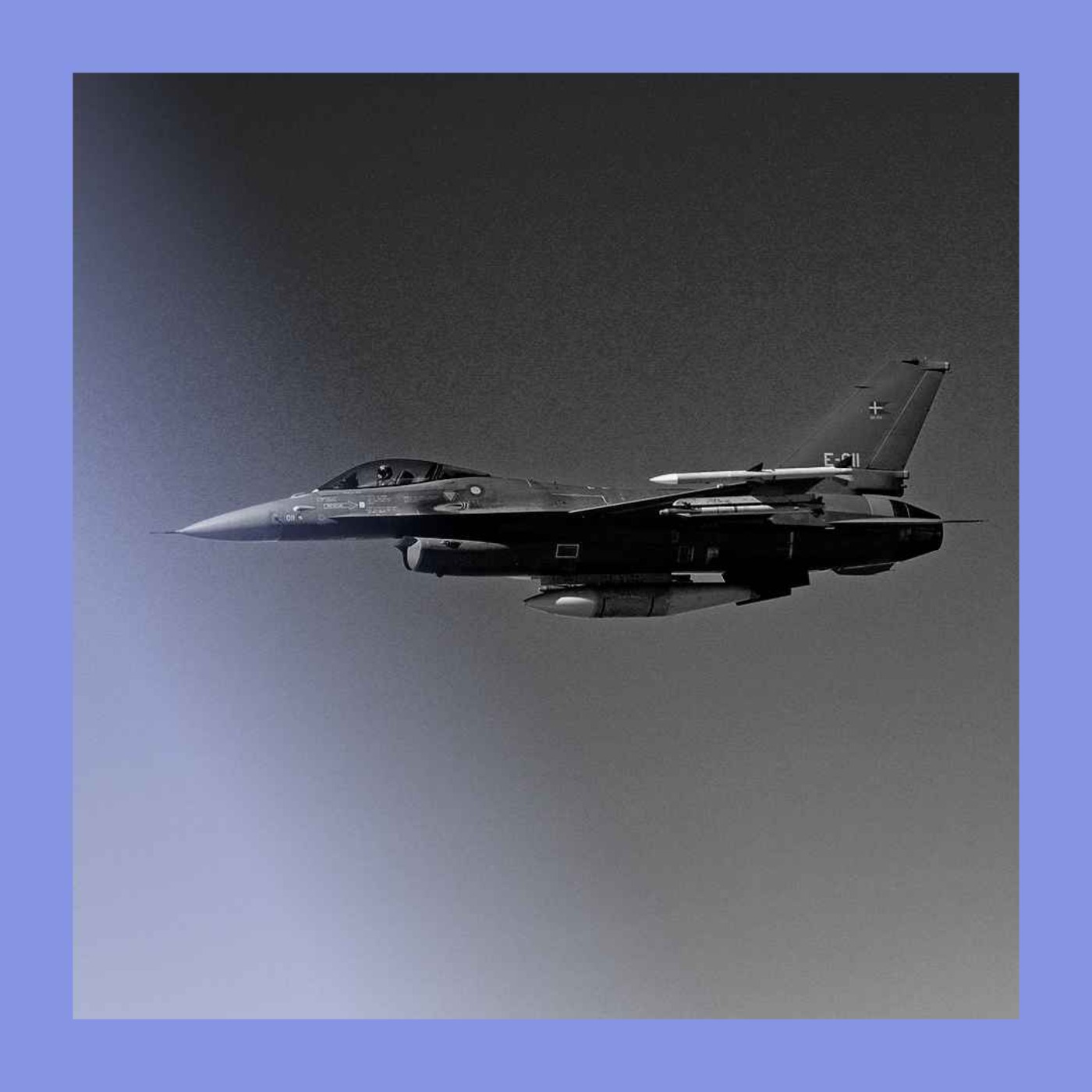
Even when Russian drones or jets enter NATO airspace by "accident," it is not a mistake but a deliberate policy. Choosing to operate pilots and missile systems with a high tolerance for error is a form of calculated recklessness. This tactic applies constant pressure on Europe and signals a high-risk appetite without firing a shot.
A new US national security document signals a radical foreign policy shift. It explicitly states the US will support "right wing, far right and populist right parties" in Europe that align with its anti-immigration stance, effectively interfering in the domestic politics of allied nations to promote a "MAGA like" Europe.
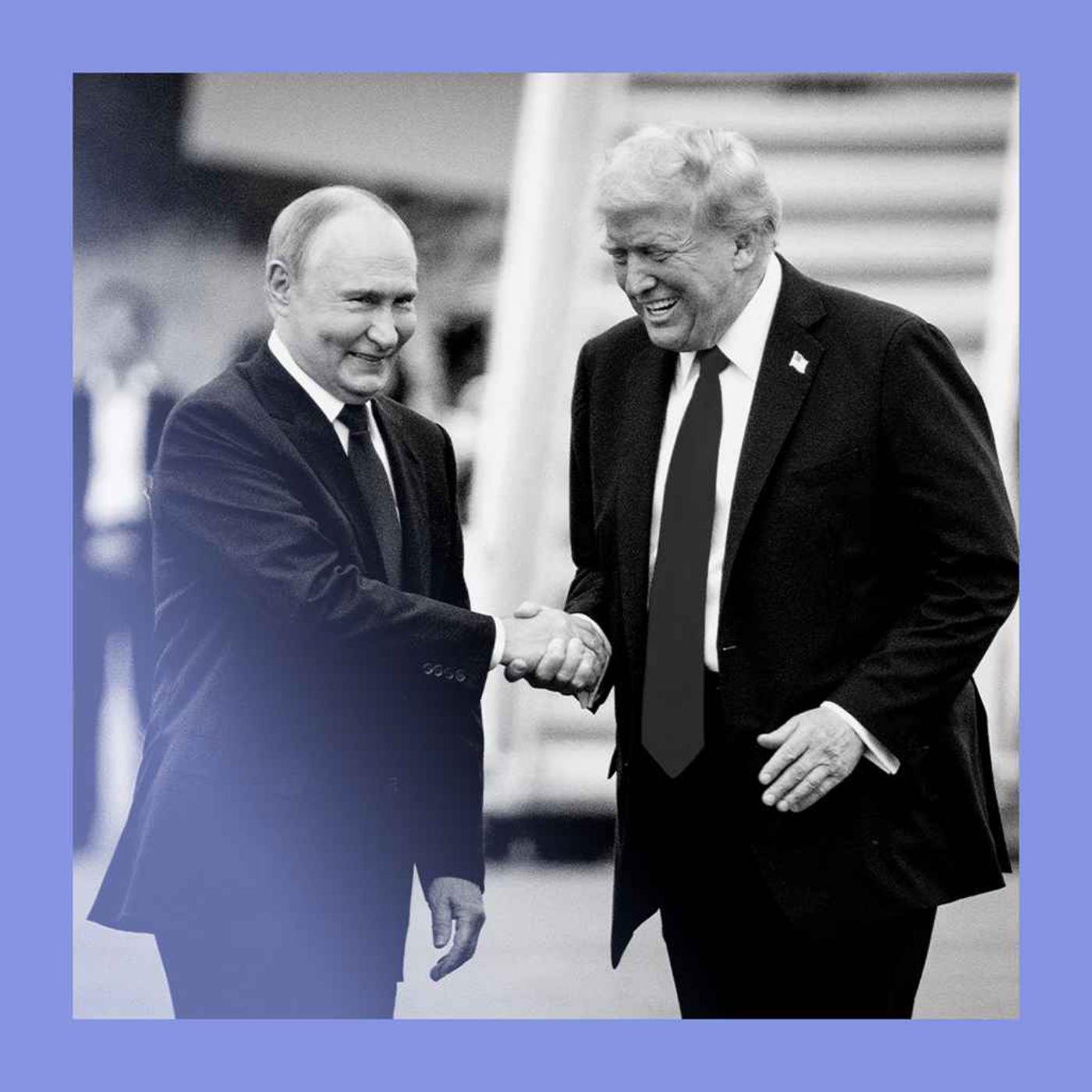
Marco Rubio articulated Trump's foreign policy as a 'spheres of influence' model, a modern Monroe Doctrine. This framework cedes global leadership, envisioning a world where the U.S. controls the West, Russia controls its territory and Europe, and China controls Asia. This marks a fundamental shift from America's post-WWII role as a global superpower to a regional one.

Russia's provocations are designed to create dilemmas for European nations, forcing them to question whether the US would support a kinetic response. This uncertainty weakens the transatlantic alliance and strengthens Russia's psychological position for future negotiations over Ukraine and European security.
The proposed peace plan negotiated by private business figures asks Ukraine to cede heavily fortified territory that Russia has failed to capture despite years of fighting and immense casualties. This is not a peace deal but a demand for surrender that rewards Russian aggression by effectively giving away strategic land for free.
The administration's aggressive, unilateral actions are pushing European nations toward strategic autonomy rather than cooperation. This alienates key partners and fundamentally undermines the 'Allied Scale' strategy of building a collective economic bloc to counter adversaries like China.
