Get your free personalized podcast brief
We scan new podcasts and send you the top 5 insights daily.
Russia sees itself as the weaker party against NATO and is deterred from a direct attack. The greater danger lies in miscalculation, misunderstandings, or incidents (like instability in Belarus or hybrid warfare) spiraling out of control.

Related Insights
Russia portrays NATO's growth as an aggressive act of encirclement. This narrative, however, ignores that Eastern European nations eagerly joined NATO for protection, driven by Russia's long and brutal history of posing an existential threat to its neighbors. The expansion was defensive, not offensive.

The next escalation in the Russia-NATO conflict won't be conventional warfare but an expansion of the current "shadow war." This involves asymmetric tactics like cyberattacks, destroying undersea cables, using drones in allied airspace, and funding vandalism of critical infrastructure to divide and destabilize European allies from within.
The greatest risk of nuclear weapon use is not a peacetime accident but a nation facing catastrophic defeat in a conventional war. The pressure to escalate becomes immense when a country's conventional forces are being eradicated, as it may see nuclear use as its only path to survival.

Russia's public support for Trump's Greenland move is a strategic play to encourage him. Moscow's goal is to provoke Trump into fracturing NATO, the very alliance created to contain Russian aggression, by having its leader attack an allied territory.
Historically, rising and ruling powers don't stumble into war directly. Instead, their heightened distrust creates a tinderbox where a seemingly minor incident involving a third party (like the assassination in Sarajevo pre-WWI) can escalate uncontrollably into a catastrophic conflict.

A ceasefire won't eliminate underlying tensions. Instead, it could create new flashpoints, such as a breakdown of the agreement or instability in Belarus, potentially dragging NATO into a future conflict more directly than the current war.
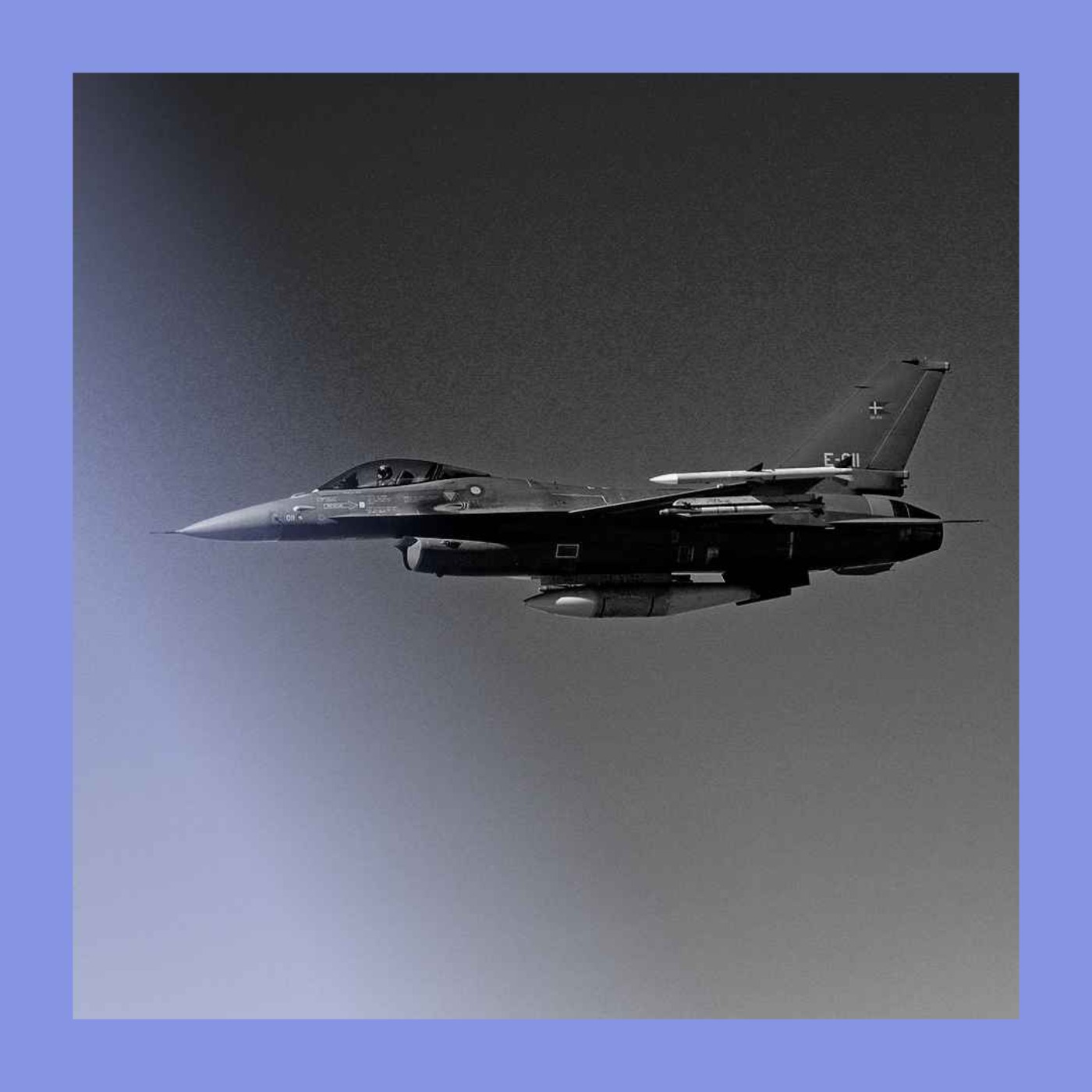
Even when Russian drones or jets enter NATO airspace by "accident," it is not a mistake but a deliberate policy. Choosing to operate pilots and missile systems with a high tolerance for error is a form of calculated recklessness. This tactic applies constant pressure on Europe and signals a high-risk appetite without firing a shot.
Soviet leaders who lived through WWII understood the unpredictability of direct conflict and preferred proxy wars. Vladimir Putin, in contrast, has consistently used direct "hot wars"—from Chechnya to Georgia to Ukraine—as a primary tool to consolidate power and boost his domestic popularity.
Russia's provocations are designed to create dilemmas for European nations, forcing them to question whether the US would support a kinetic response. This uncertainty weakens the transatlantic alliance and strengthens Russia's psychological position for future negotiations over Ukraine and European security.
In a world with nuclear weapons, conflicts between major powers are determined less by economic or military might and more by which side demonstrates greater resolve and willingness to risk escalation. This dynamic places an upper bound on how much one state can coerce another.