Get your free personalized podcast brief
We scan new podcasts and send you the top 5 insights daily.
The next escalation in the Russia-NATO conflict won't be conventional warfare but an expansion of the current "shadow war." This involves asymmetric tactics like cyberattacks, destroying undersea cables, using drones in allied airspace, and funding vandalism of critical infrastructure to divide and destabilize European allies from within.

Related Insights
The Russia-Ukraine conflict demonstrates that the first move in modern warfare is often a cyberattack to disable critical systems like logistics and communication. This is a low-cost, high-impact method to immobilize an adversary before physical engagement.

Warfare has evolved to a "sixth domain" where cyber becomes physical. Mass drone swarms act like a distributed software attack, requiring one-to-many defense systems analogous to antivirus software, rather than traditional one-missile-per-target defenses which cannot scale.

Russia portrays NATO's growth as an aggressive act of encirclement. This narrative, however, ignores that Eastern European nations eagerly joined NATO for protection, driven by Russia's long and brutal history of posing an existential threat to its neighbors. The expansion was defensive, not offensive.

Modern global conflict is primarily economic, not kinetic. Nations now engage in strategic warfare through currency debasement, asset seizures, and manipulating capital flows. The objective is to inflict maximum financial damage on adversaries, making economic policy a primary weapon of war.

Recognizing Russia's high tolerance for military casualties, Ukraine has shifted its strategy to asymmetric economic warfare. By systematically using long-range drones to attack Russian oil refineries and tankers, Ukraine aims to inflict financial pain where the human cost of war has failed to be a deterrent, creating what they call "the real sanctions."

Russia's use of cheap drones creates a significant economic and strategic challenge for NATO. The current defensive approach is financially unsustainable, as seen when Poland used a million-dollar missile on a cheap drone. This asymmetry is forcing Europe to develop new, low-cost interception methods, such as a continent-wide "drone wall".
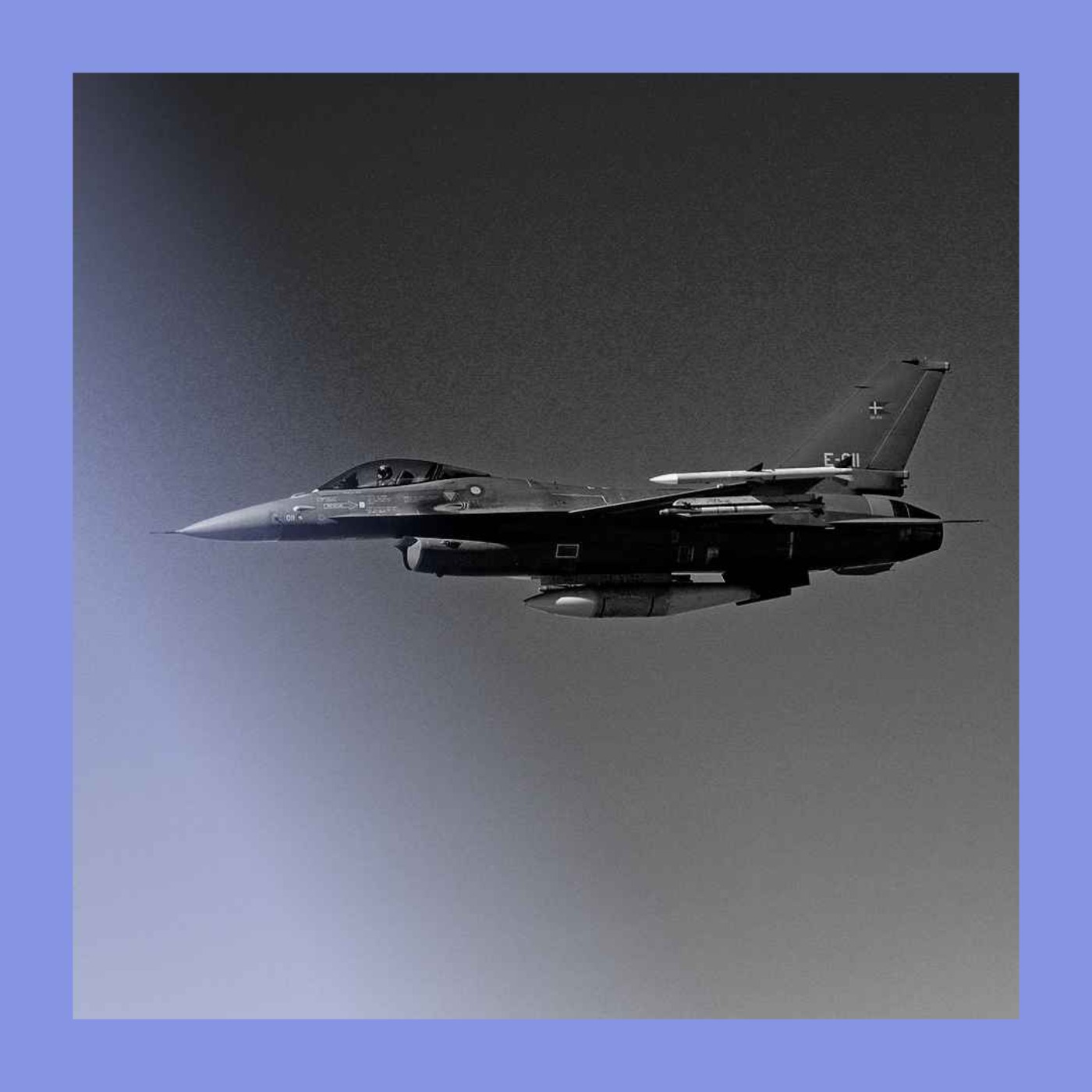
Even when Russian drones or jets enter NATO airspace by "accident," it is not a mistake but a deliberate policy. Choosing to operate pilots and missile systems with a high tolerance for error is a form of calculated recklessness. This tactic applies constant pressure on Europe and signals a high-risk appetite without firing a shot.
Russia's provocations are designed to create dilemmas for European nations, forcing them to question whether the US would support a kinetic response. This uncertainty weakens the transatlantic alliance and strengthens Russia's psychological position for future negotiations over Ukraine and European security.
Europe faces a dual threat: an aggressive Russia waging hybrid warfare on its eastern flank, and a Trump-led America that actively prefers a fragmented, weaker Europe. A disunified EU allows the U.S. to cut more favorable bilateral deals, leaving Europe vulnerable from both sides without its traditional transatlantic security guarantee.
The war in Ukraine has evolved from a traditional territorial conflict into a "robot war," with drones dominating the front lines. This real-world battlefield is accelerating innovation at an "unbelievable" pace, driving new solutions for secure communications and autonomous targeting, providing critical lessons for US drone strategy.