Get your free personalized podcast brief
We scan new podcasts and send you the top 5 insights daily.
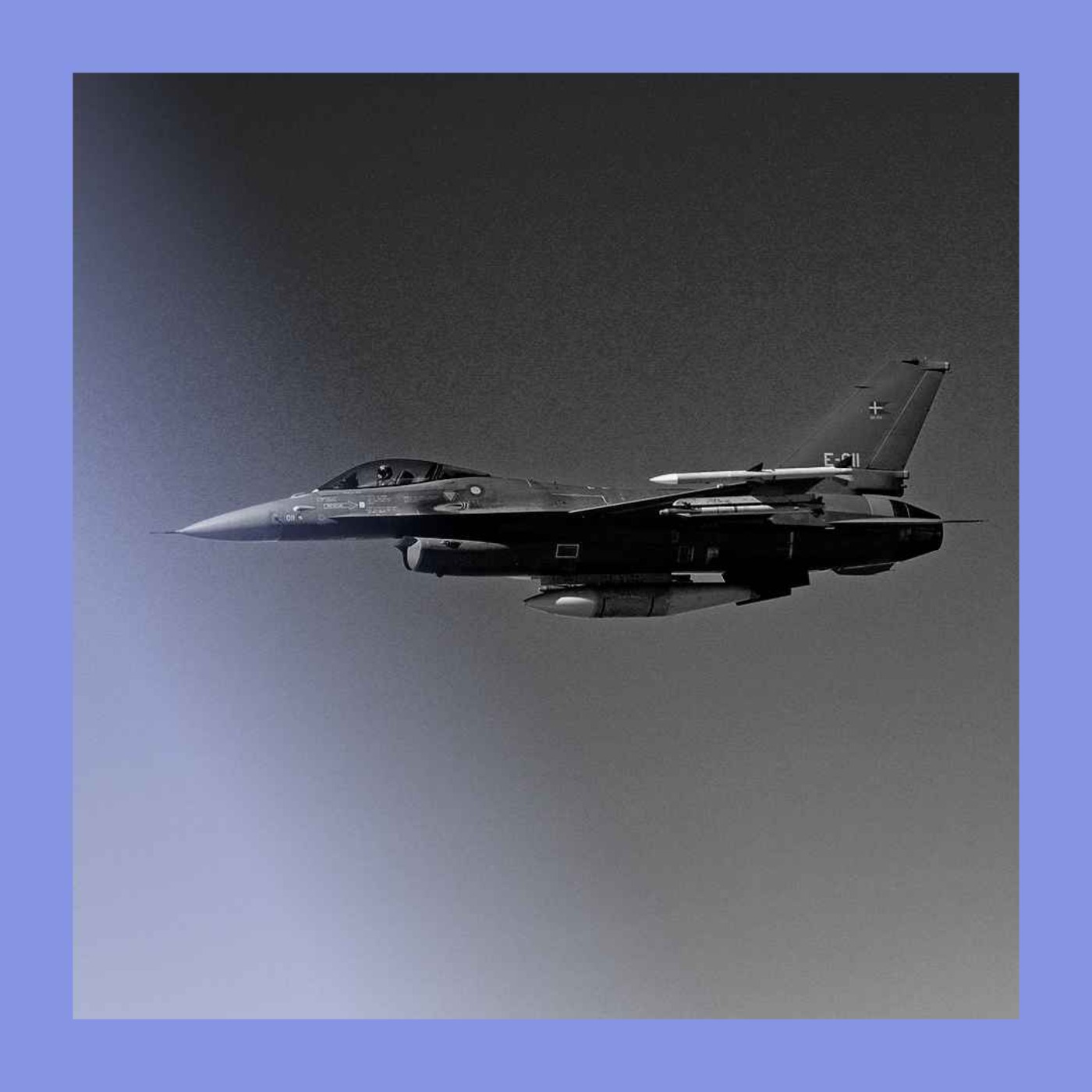
Even when Russian drones or jets enter NATO airspace by "accident," it is not a mistake but a deliberate policy. Choosing to operate pilots and missile systems with a high tolerance for error is a form of calculated recklessness. This tactic applies constant pressure on Europe and signals a high-risk appetite without firing a shot.
Related Insights
Russia portrays NATO's growth as an aggressive act of encirclement. This narrative, however, ignores that Eastern European nations eagerly joined NATO for protection, driven by Russia's long and brutal history of posing an existential threat to its neighbors. The expansion was defensive, not offensive.

Historically, Russia and China's strategy as continental empires involves avoiding two-front wars and actively destabilizing neighboring states. This creates buffer zones and prevents any single power from becoming a threat on their borders, ensuring their own security through regional instability.
Historically, rising and ruling powers don't stumble into war directly. Instead, their heightened distrust creates a tinderbox where a seemingly minor incident involving a third party (like the assassination in Sarajevo pre-WWI) can escalate uncontrollably into a catastrophic conflict.

Putin's history shows a reliable pattern: he appears cooperative and makes agreements, only to later act in his own self-interest. To predict his moves in conflicts like the Ukraine war, one must analyze this long-term behavioral pattern rather than his current statements or gestures.

To predict a leader's actions, disregard their words and even individual actions. Instead, focus on their consistent, long-term pattern of behavior. For Putin, the pattern is using negotiations as a stalling tactic to advance a fixed agenda, making him an unreliable partner for peace deals based on stated intentions.

Russia's use of cheap drones creates a significant economic and strategic challenge for NATO. The current defensive approach is financially unsustainable, as seen when Poland used a million-dollar missile on a cheap drone. This asymmetry is forcing Europe to develop new, low-cost interception methods, such as a continent-wide "drone wall".
Soviet leaders who lived through WWII understood the unpredictability of direct conflict and preferred proxy wars. Vladimir Putin, in contrast, has consistently used direct "hot wars"—from Chechnya to Georgia to Ukraine—as a primary tool to consolidate power and boost his domestic popularity.
Russia's provocations are designed to create dilemmas for European nations, forcing them to question whether the US would support a kinetic response. This uncertainty weakens the transatlantic alliance and strengthens Russia's psychological position for future negotiations over Ukraine and European security.
The war in Ukraine has evolved from a traditional territorial conflict into a "robot war," with drones dominating the front lines. This real-world battlefield is accelerating innovation at an "unbelievable" pace, driving new solutions for secure communications and autonomous targeting, providing critical lessons for US drone strategy.

The recent uptick in global conflicts, from Ukraine to the Caribbean, is not a series of isolated events. It's a direct result of adversaries perceiving American weakness and acting on the historical principle that nations expand their influence until they are met with sufficient counter-force.
