Get your free personalized podcast brief
We scan new podcasts and send you the top 5 insights daily.
A ceasefire won't eliminate underlying tensions. Instead, it could create new flashpoints, such as a breakdown of the agreement or instability in Belarus, potentially dragging NATO into a future conflict more directly than the current war.

Related Insights
Russia perceives itself as having momentum and believes its military position will strengthen in the coming months. This confidence removes any urgency to negotiate or make significant concessions, making it the most significant impediment to ending the conflict.
The next escalation in the Russia-NATO conflict won't be conventional warfare but an expansion of the current "shadow war." This involves asymmetric tactics like cyberattacks, destroying undersea cables, using drones in allied airspace, and funding vandalism of critical infrastructure to divide and destabilize European allies from within.

Russia sees itself as the weaker party against NATO and is deterred from a direct attack. The greater danger lies in miscalculation, misunderstandings, or incidents (like instability in Belarus or hybrid warfare) spiraling out of control.
The most significant challenge to a lasting peace is not agreeing on territorial lines but on the implementation sequence. Debates over whether a ceasefire, troop withdrawal, security guarantees, or referendums should come first create complex logistical and trust issues that could easily cause a deal to collapse.

A swift peace deal in Ukraine might not be the preferred outcome for all its European partners. Some may see a longer conflict as a strategic opportunity to bolster their own military capabilities while Russia is occupied.
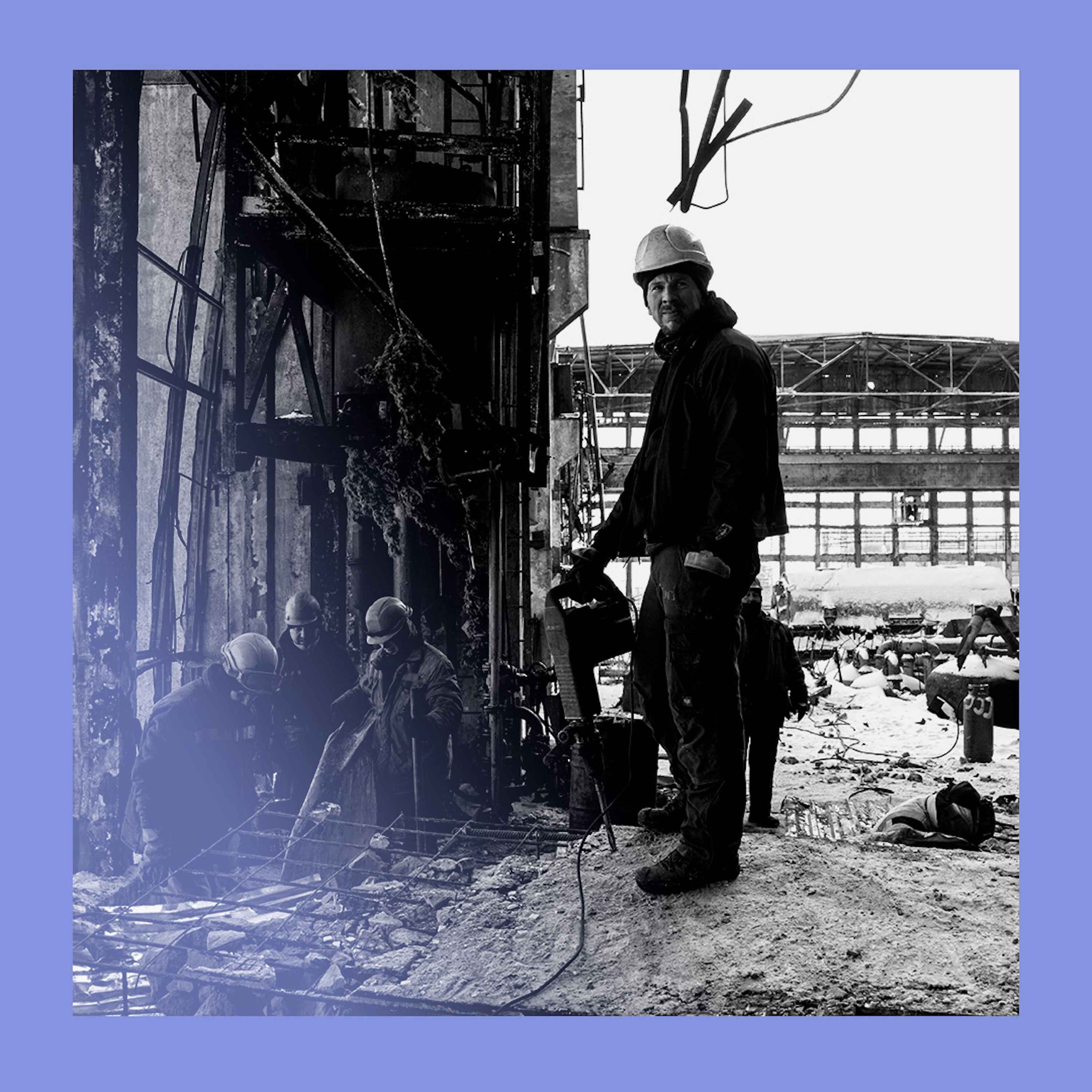
Russia's provocations are designed to create dilemmas for European nations, forcing them to question whether the US would support a kinetic response. This uncertainty weakens the transatlantic alliance and strengthens Russia's psychological position for future negotiations over Ukraine and European security.
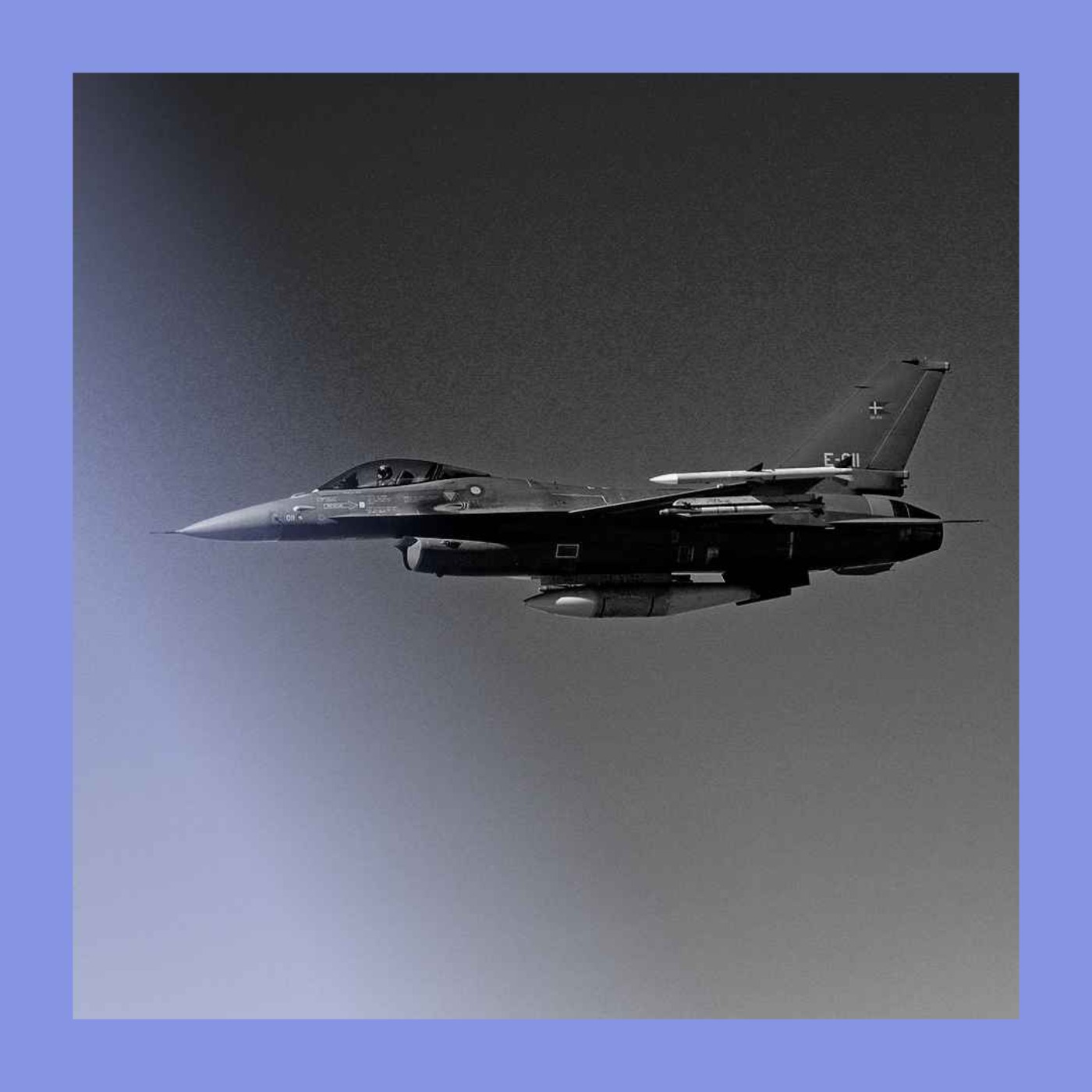
This strategy involves supplying Ukraine only with defensive systems (like air defense) during peacetime. Offensive capabilities (long-range missiles) would be stockpiled nearby and immediately provided if Russia violates the ceasefire, creating a powerful incentive for compliance.
Russia views the presence of NATO-member troops as an unacceptable condition. The UK and French promise of such a deployment acts as a poison pill in negotiations, making a ceasefire agreement less likely, rather than serving as a credible deterrent against future aggression.
A hastily constructed peace deal that stalls during implementation would create a 'neither war nor peace' scenario. This state of limbo would benefit Russia in the near term, as Ukraine would face pressure to demobilize and struggle with investment uncertainty, while Russia could maintain its military posture.
This model, from the Iran nuclear deal, pre-commits the West to automatically reinstate sanctions and supply advanced weapons if Russia breaks the ceasefire. This removes political friction and creates a more credible deterrent than vague promises of future action.