Get your free personalized podcast brief
We scan new podcasts and send you the top 5 insights daily.
The deniable nature of Russia's covert actions is a strategic asset. It allows Russia to benefit from general fear and uncertainty, as it can be blamed for unrelated disruptions like domestic protests, amplifying its perceived power at no extra cost.

Related Insights
The next escalation in the Russia-NATO conflict won't be conventional warfare but an expansion of the current "shadow war." This involves asymmetric tactics like cyberattacks, destroying undersea cables, using drones in allied airspace, and funding vandalism of critical infrastructure to divide and destabilize European allies from within.
Cloudflare's CEO observes that powerful nations like Russia avoid direct cyberwar with the US due to a "mutually assured destruction" vulnerability. Instead, they use other global conflicts, such as Israel-Hamas, as cover to launch attacks while disguising their origin, making attribution difficult.

The world is no longer in a simple state of war or peace. While kinetic warfare is obvious, Russia and other actors engage in hybrid warfare—cyber attacks, GPS jamming, sabotage. This constant, low-level conflict is harder to detect and define, blurring the lines.
Adversaries increasingly use cyberspace to attack the foundations of society, government, and the economy. This creates a state of perpetual, low-level conflict—a 'gray zone' between war and peace. These actions test confidence in core systems and undermine international order without triggering a traditional military response.

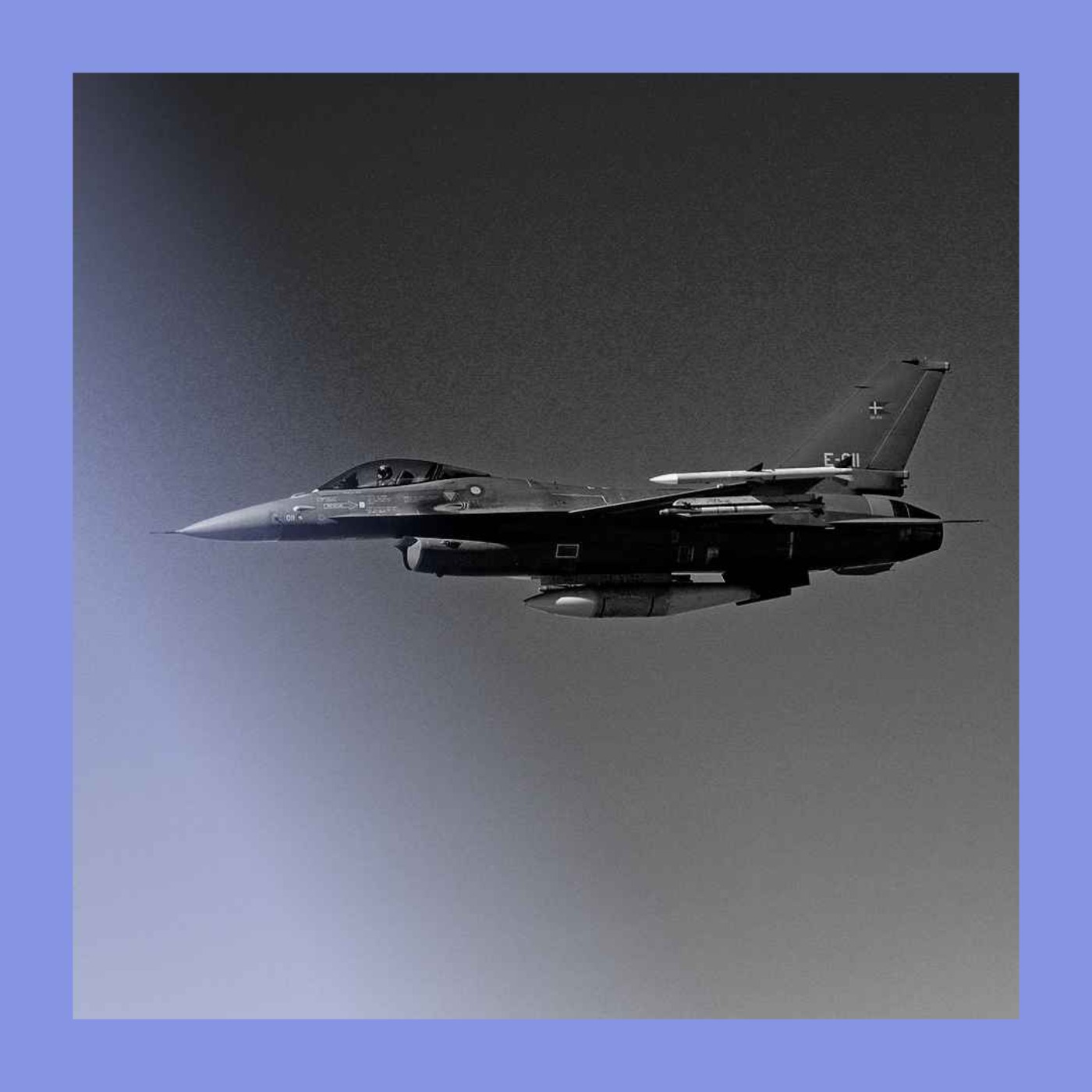
Even when Russian drones or jets enter NATO airspace by "accident," it is not a mistake but a deliberate policy. Choosing to operate pilots and missile systems with a high tolerance for error is a form of calculated recklessness. This tactic applies constant pressure on Europe and signals a high-risk appetite without firing a shot.
Many of today's political and social conflicts stem from long-term KGB "psyops" designed to divide the West. These playbooks—which involve framing influential figures, backing separatist movements, and creating internal division—are still actively used by Russia and have been copied by other nations.

Soviet leaders who lived through WWII understood the unpredictability of direct conflict and preferred proxy wars. Vladimir Putin, in contrast, has consistently used direct "hot wars"—from Chechnya to Georgia to Ukraine—as a primary tool to consolidate power and boost his domestic popularity.

Russia's provocations are designed to create dilemmas for European nations, forcing them to question whether the US would support a kinetic response. This uncertainty weakens the transatlantic alliance and strengthens Russia's psychological position for future negotiations over Ukraine and European security.
A government can achieve the political will for war without staging a direct false flag. A more subtle and deniable tactic is to knowingly lower defenses, making an enemy attack possible. This creates the same casus belli while avoiding direct culpability.

Russia's information warfare is less about creating new narratives and more about identifying and exacerbating existing societal fissures. By amplifying local opposition to a new military base, for instance, they frame a legitimate debate as a conflict between citizens and a corrupt state, thereby eroding trust and national unity from within.