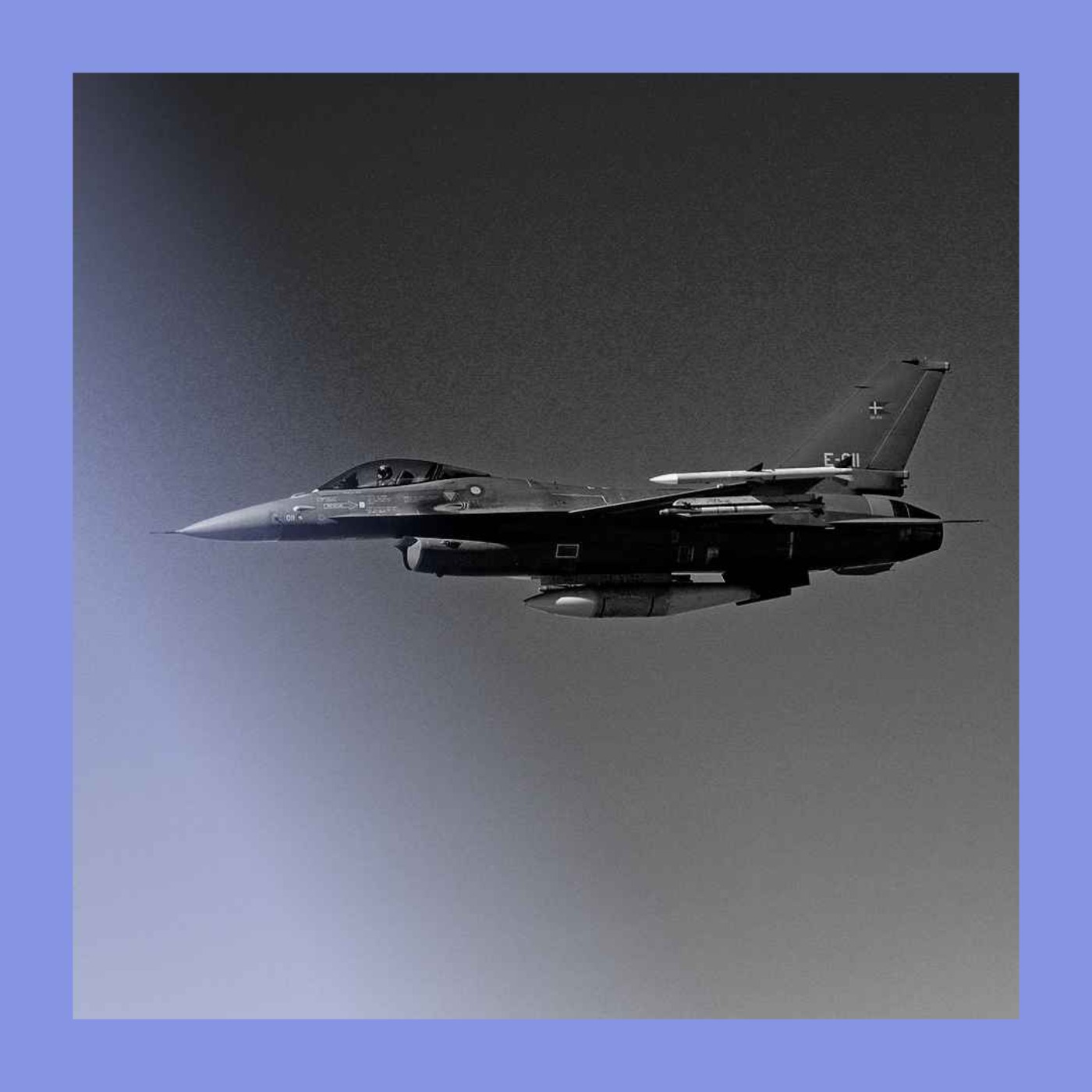
Russia's provocations are designed to create dilemmas for European nations, forcing them to question whether the US would support a kinetic response. This uncertainty weakens the transatlantic alliance and strengthens Russia's psychological position for future negotiations over Ukraine and European security.
Russia's use of cheap drones creates a significant economic and strategic challenge for NATO. The current defensive approach is financially unsustainable, as seen when Poland used a million-dollar missile on a cheap drone. This asymmetry is forcing Europe to develop new, low-cost interception methods, such as a continent-wide "drone wall".
Beyond creating Vitamin D, sunlight has a direct cardiovascular benefit. UV light triggers the conversion of nitrogen compounds in the skin into nitric oxide. This molecule enters the bloodstream, causing arteries to relax and subsequently lowering blood pressure, providing a clear biochemical mechanism for sunlight's association with lower mortality rates.
Even when Russian drones or jets enter NATO airspace by "accident," it is not a mistake but a deliberate policy. Choosing to operate pilots and missile systems with a high tolerance for error is a form of calculated recklessness. This tactic applies constant pressure on Europe and signals a high-risk appetite without firing a shot.
A new French-funded cable car in Antananarivo, intended to ease traffic, became a symbol of government failure. Too expensive for most citizens and often inoperable due to power cuts, it highlighted deep inequality. It is no coincidence that protesters targeted and set fire to its stations, turning a development project into a flashpoint for unrest.
Madagascar stands out globally for having the largest drop in GDP per capita since 1960 of any country that has not experienced a civil war. This unique and severe economic regression, despite its rich biodiversity and lack of major conflict, makes it a critical case study for understanding state failure and the traps of endemic poverty.