Get your free personalized podcast brief
We scan new podcasts and send you the top 5 insights daily.
The admission that the US strike on Iran was preemptive to an Israeli attack has alienated the isolationist "America First" wing of the Republican party. This reveals a deep ideological split, where actions perceived as prioritizing Israeli security over American interests are causing key MAGA figures to revolt.
Related Insights
The Republican party's internal conflict can be understood as a 'three-legged stool.' It comprises: 1) conspiracy theories (Epstein files), 2) core policy disagreements (tariffs, immigration), and 3) an ideological battle over foreign policy, particularly concerning Israel. This framework helps dissect the multifaceted nature of the party's fractures.
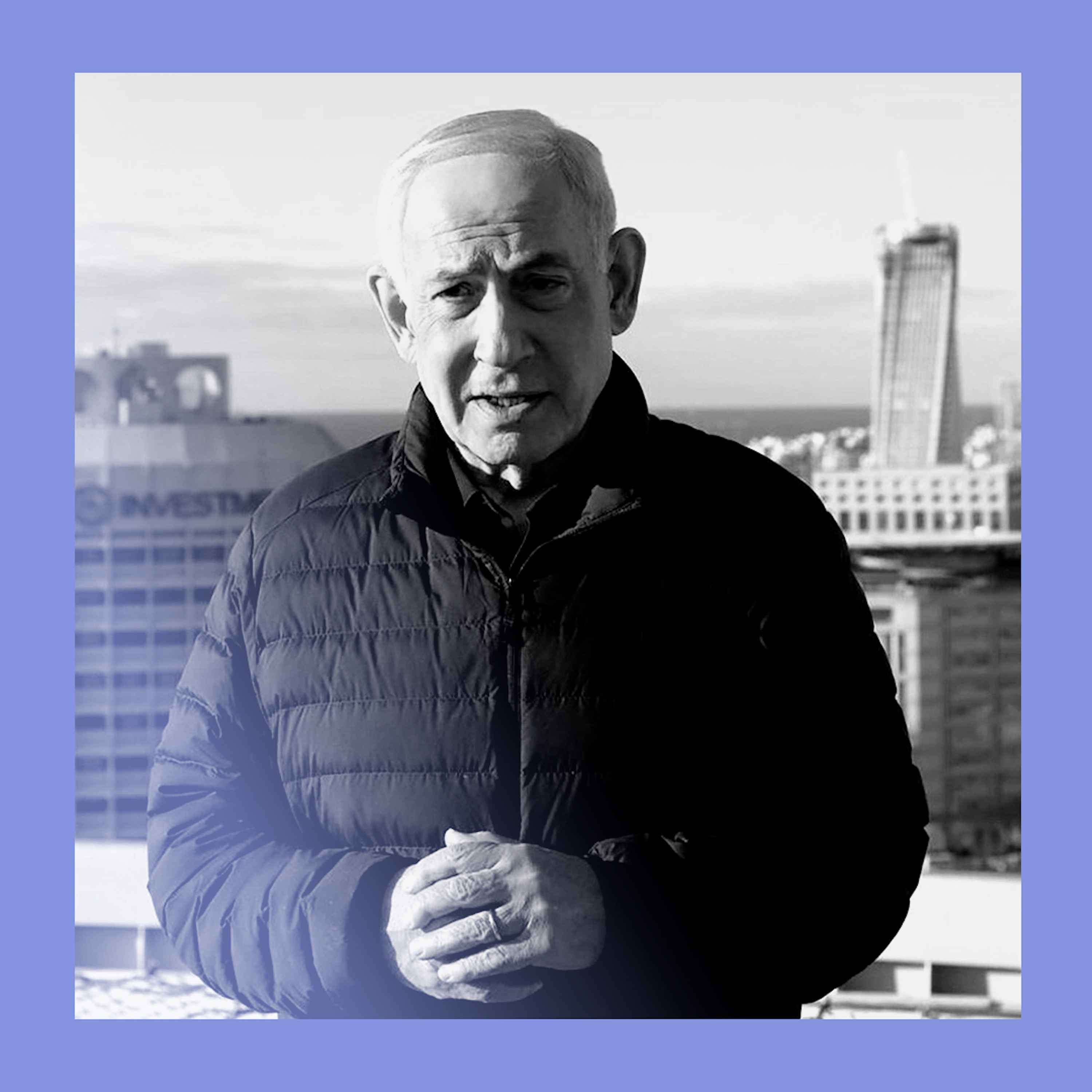
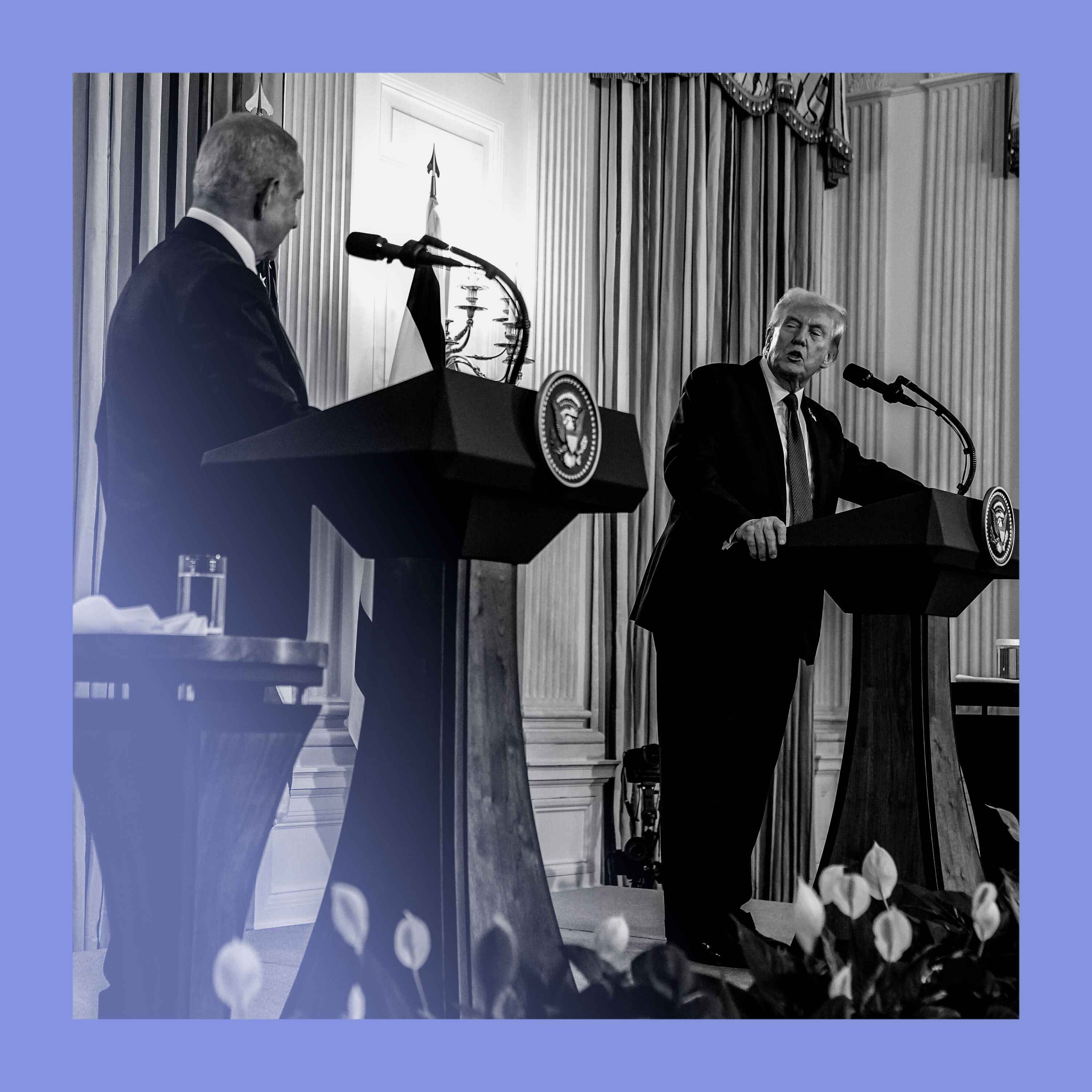
The peace deal materialized only after President Trump became personally and seriously invested. His direct pressure on Prime Minister Netanyahu was the critical factor in shifting Israel's position, suggesting that previous, less forceful American approaches missed opportunities to end the conflict sooner.

The vast majority of Americans are bewildered by Trump's Iran policy and do not support a military strike. This widespread confusion and lack of appetite for war give the president significant political cover to back down from his threats and pursue a diplomatic solution without facing major backlash.

Trump's 'America First' platform was not a random occurrence but a predictable backlash against the US establishment's post-Cold War excesses. Policies like 'hyper-globalization' and 'forever wars' created domestic discontent and a loss of faith in traditional foreign policy, which Trump successfully exploited.

Even when facing severe international backlash, a US president's most controversial foreign policy actions are ultimately limited by unpopularity within their own country and party, which creates significant political and practical consequences that outweigh pressure from allies.

While currently aligned, the long-term interests of Israel and the US in a war with Iran could split. Israel seeks total elimination of Iran's missile threat, implying a prolonged conflict. The US, however, may have less tolerance for a drawn-out war due to concerns about its impact on global energy prices and the economy.
A rift is forming within the Republican party over AI. An anti-elite, "MAGA originalist" faction, championed by figures like Steve Bannon, views AI not as innovation but as a deliberate effort by Big Tech to replace American workers, setting up a conflict with pro-technology conservatives.

The proposed peace deal’s elements have been discussed for months. The breakthrough isn't the plan itself, but President Trump's willingness to strong-arm Israeli Prime Minister Netanyahu into agreement, a tactic previously avoided by both Trump and his predecessor Joe Biden.
The attack on Iran is viewed not as a strategic national security move, but as an action motivated by Donald Trump's personal legacy and brand. Decisions are centered on the "Trump" name and persona rather than traditional statecraft or established government policy.

Contrary to the isolationist interpretation, "America First" under Trump is a doctrine of pragmatic, and often aggressive, foreign intervention. It justifies actions like controlling another country's resources if they are deemed critical to American national security or economic stability.
