Get your free personalized podcast brief
We scan new podcasts and send you the top 5 insights daily.
Contrary to the isolationist interpretation, "America First" under Trump is a doctrine of pragmatic, and often aggressive, foreign intervention. It justifies actions like controlling another country's resources if they are deemed critical to American national security or economic stability.

Related Insights
Under Trump, the primary tool for projecting U.S. power is shifting from economic instruments like tariffs to direct military, intelligence, and cyber capabilities. This "Donroe Doctrine" leverages America's asymmetrical advantages in these areas, especially in its hemisphere, to achieve foreign policy wins without relying on economic coercion.

Unlike predecessors who framed foreign policy within a broader worldview (e.g., democracy promotion), Trump's approach is purely transactional and theatrical. It lacks a moral or ideological justification, instead focusing on demanding tribute, like oil from Venezuela, to appeal to a nationalist base without building a durable governing coalition.

The Venezuelan intervention was coordinated with American oil businesses before and after, while Congress was kept in the dark. This demonstrates a shift where foreign policy serves specific corporate interests directly, bypassing traditional democratic oversight and processes.

Trump's rhetoric about acquiring Greenland "the easy way or the hard way" is not just bluster. It's part of a broader pattern of unilateral action that prioritizes American strategic interests above all else, even at the cost of alienating key allies and potentially fracturing foundational alliances like NATO.
The US invasion of Venezuela isn't for oil or to stop drugs, but to counter China's strategic influence via its Belt and Road Initiative. This reasserts the Monroe Doctrine—preventing rival footholds in its hemisphere—in a new Cold War context.
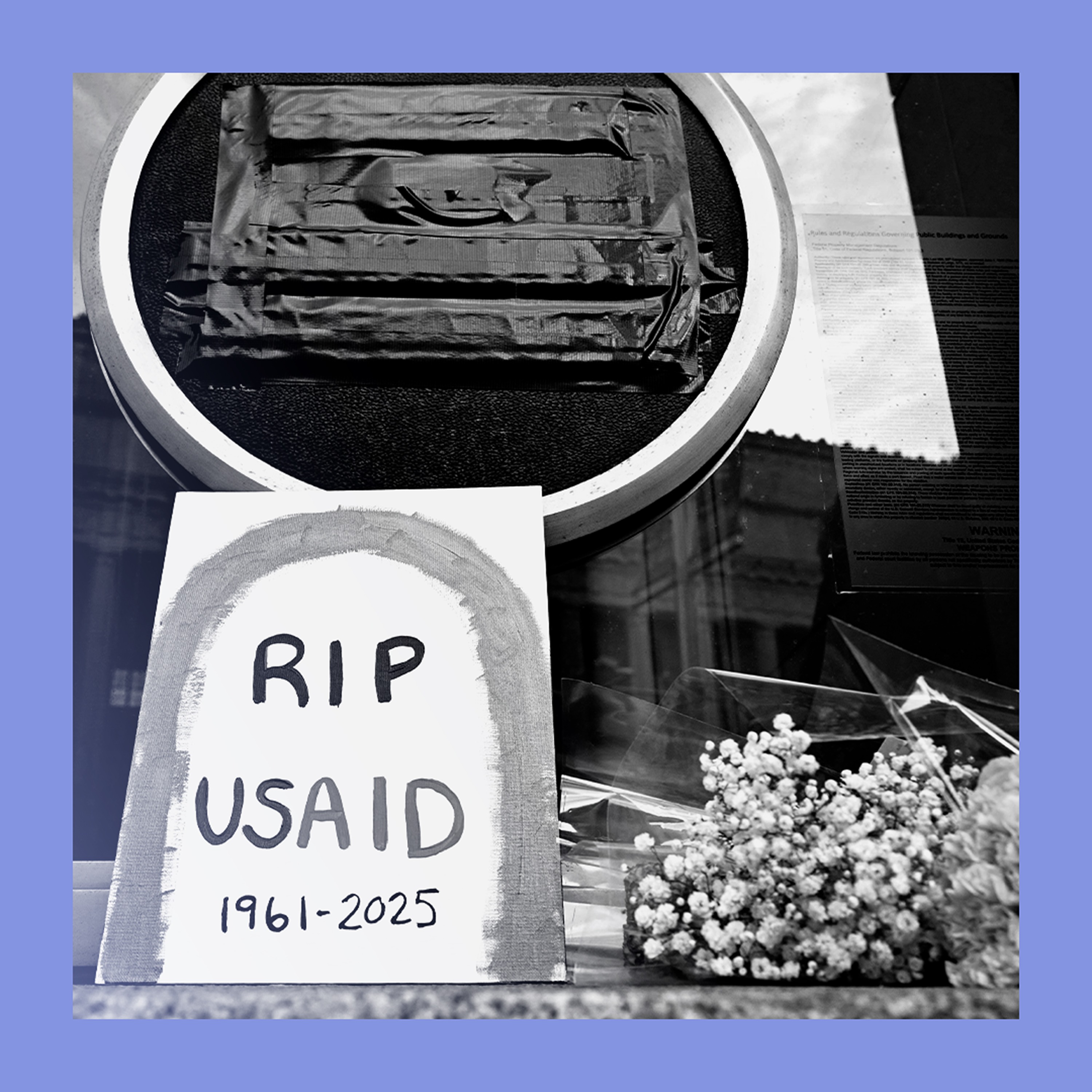
Despite dismantling traditional aid programs to save taxpayer money, Trump's new strategy of bailing out allies, countering China, and securing supply chains is projected to be incredibly expensive. This new approach of weaponized aid could ultimately exceed previous USAID spending levels, contradicting its cost-saving premise.
Unlike past administrations that used pretexts like 'democracy,' the Trump administration openly states its transactional goals, such as seizing oil. This 'criming in plain sight' approach is merely an overt version of historical covert US actions in regions like Latin America.
The long-standing Monroe Doctrine is being superseded by a "Trump Doctrine." This new worldview prioritizes hemispheric dominance, unilateralism, and proactive intervention for specific economic and security interests (e.g., controlling immigration, securing vital assets), fundamentally changing how America views its sphere of influence.
The US military operation in Venezuela is interpreted as a display of global military dominance aimed at China and Russia. This action suggests a strategic pivot towards becoming a global empire rather than retreating to a regional, isolationist Monroe Doctrine.

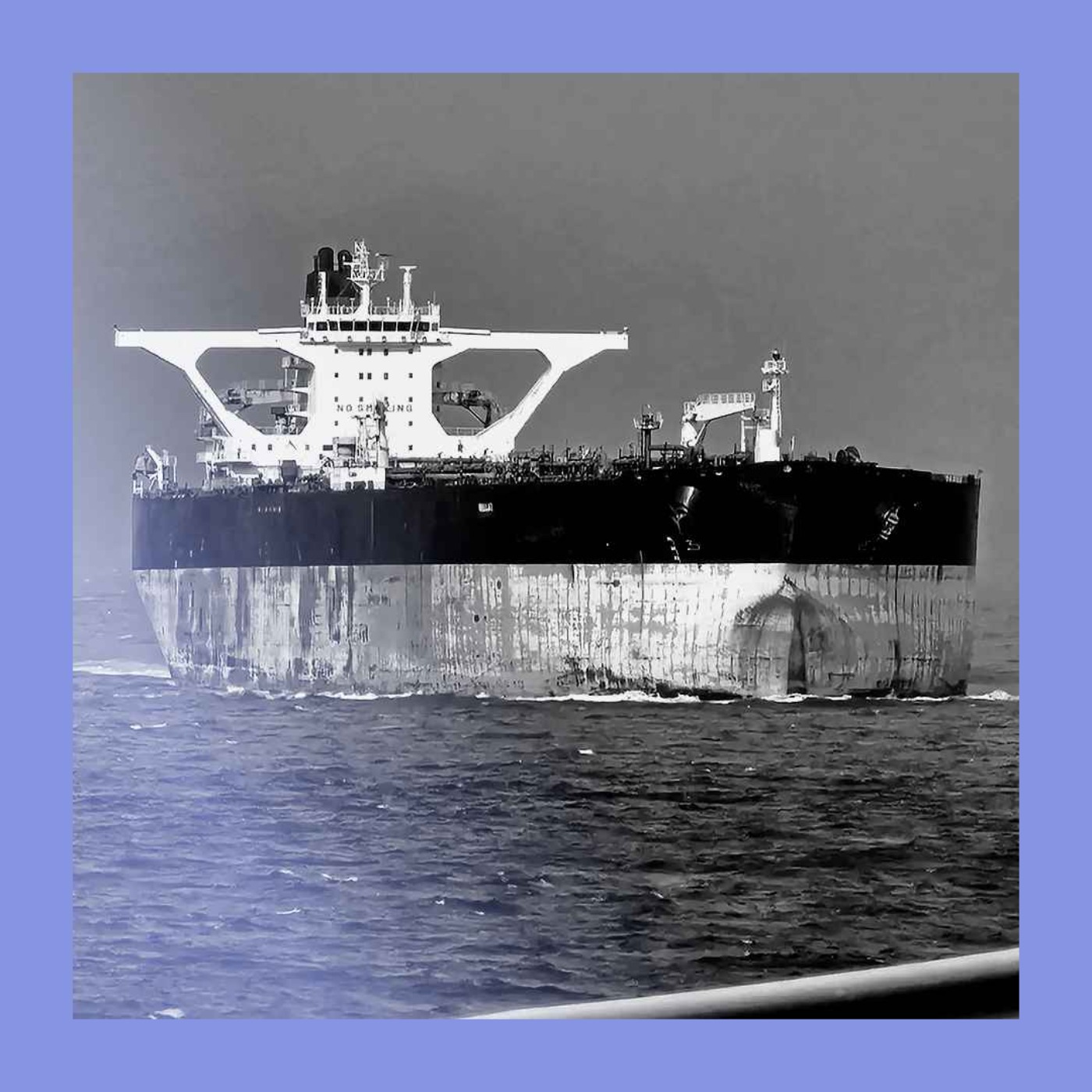
The Trump administration's intervention in Venezuela is overtly focused on securing oil to lower global prices, rather than promoting human rights. The plan involves seizing and selling Venezuelan oil with the president personally controlling the proceeds in what critics are calling "high tech piracy."