Get your free personalized podcast brief
We scan new podcasts and send you the top 5 insights daily.
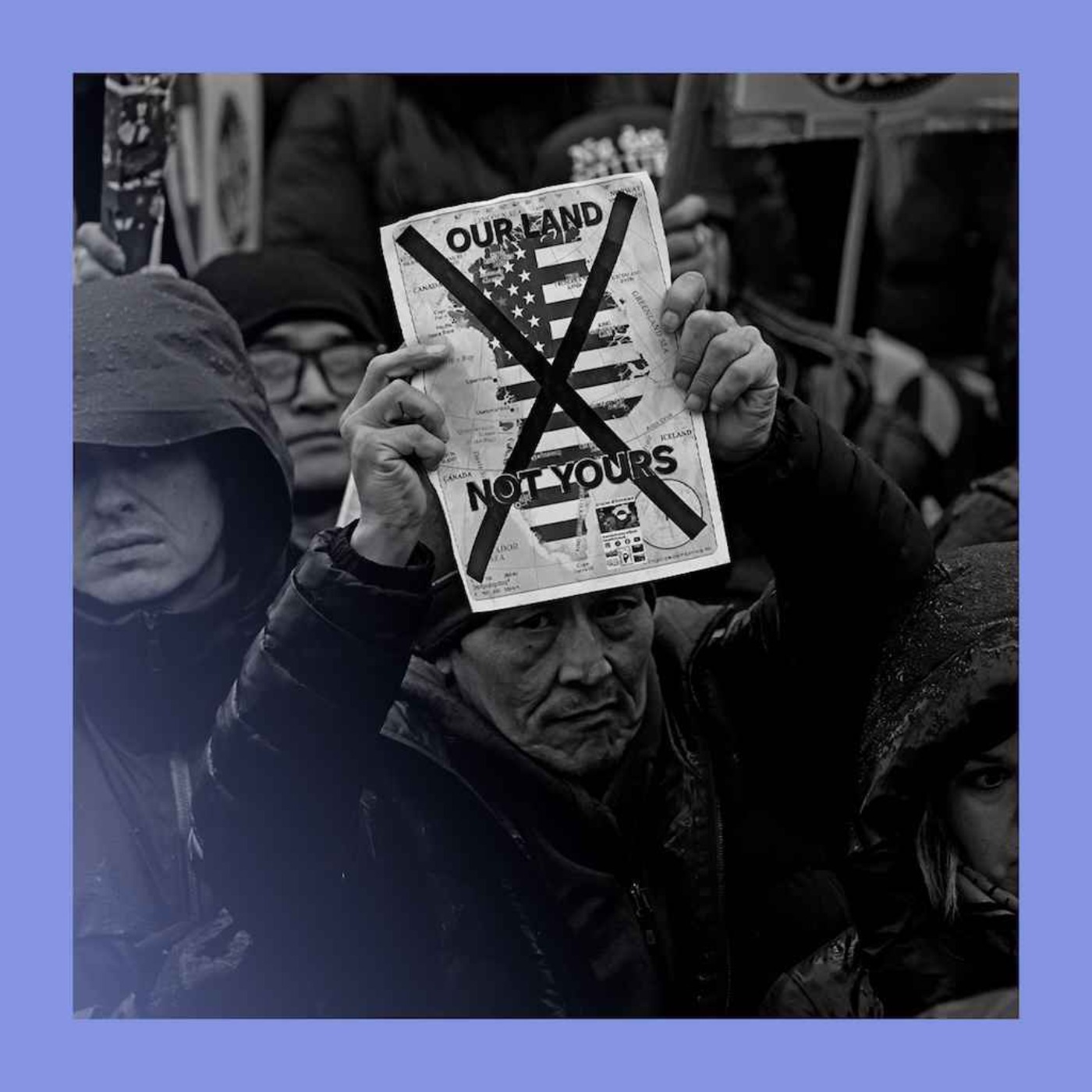
Even when facing severe international backlash, a US president's most controversial foreign policy actions are ultimately limited by unpopularity within their own country and party, which creates significant political and practical consequences that outweigh pressure from allies.
Related Insights
Cheering for a president to use executive orders or emergency powers is short-sighted. The opposition will eventually gain power and use those same expanded authorities for policies you oppose, creating a cycle of escalating executive action.

President Trump repeatedly takes actions that foreign policy experts predict will be catastrophic. When these gambles do not result in the worst-case scenario, it reinforces his unconventional approach in the public eye and erodes the credibility of traditional institutions and their warnings.
In politics, the perception of strength and decisiveness can be more electorally powerful than being correct but appearing weak or compromising. This principle explains why a political party might maintain a hardline stance that is unpopular, as the image of strength itself resonates more with voters than the nuance of being “right.”

Rather than being a problem, public criticism of the military serves a vital function. It forces politicians and leaders to rigorously test their hypotheses and ethics, preventing a descent into an unchecked, aggressive "Team America world police" mentality.

A critical political challenge is convincing citizens to accept necessary domestic budget cuts while simultaneously funding international alliances. The message fails when people already feel financially strained, making fiscal responsibility and global power projection seem mutually exclusive and out of touch.

If a leader concludes that historic allies are acting against their nation's interests (e.g., prolonging a war), they may see those alliances as effectively void. This perception of betrayal becomes the internal justification for dramatic, unilateral actions like dismantling NATO or seizing strategic assets.

An obsessive focus on internal political battles creates a critical geopolitical vulnerability. While a nation tears itself apart with divisive rhetoric, strategic adversaries like China benefit from the distraction and internal weakening. This domestic infighting accelerates the erosion of the nation's global influence and power.

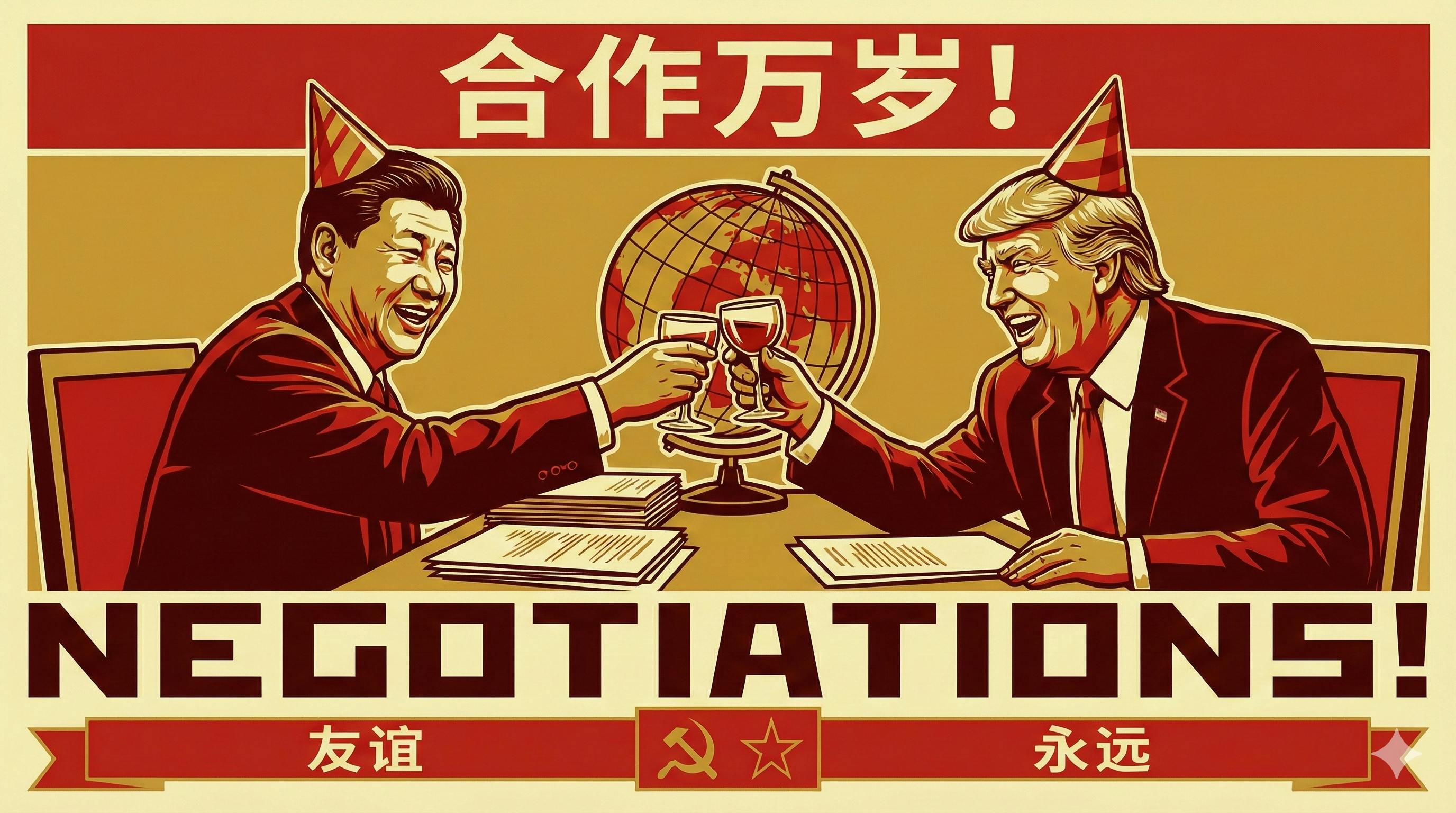
The Trump administration demands allies take more responsibility for regional security. Yet when Japan's leader did so regarding Taiwan and faced Chinese pressure, the U.S. prioritized its direct relationship with Beijing, effectively hanging a key ally "out to dry" and contradicting its own strategic doctrine.
The administration's aggressive, unilateral actions are pushing European nations toward strategic autonomy rather than cooperation. This alienates key partners and fundamentally undermines the 'Allied Scale' strategy of building a collective economic bloc to counter adversaries like China.

Political allies often remain silent critics until a leader's power begins to wane. The recent increase in Republicans publicly questioning Trump's economic grasp demonstrates this principle. This belated courage is more about political survival and opportunism than genuine conviction, emerging only after the personal risk has subsided.