Get your free personalized podcast brief
We scan new podcasts and send you the top 5 insights daily.
Trump's 'America First' platform was not a random occurrence but a predictable backlash against the US establishment's post-Cold War excesses. Policies like 'hyper-globalization' and 'forever wars' created domestic discontent and a loss of faith in traditional foreign policy, which Trump successfully exploited.

Related Insights
Trump's re-election shatters the perception that his first term was an aberration. Allies now see his brand of foreign policy as a persistent feature of the American political landscape. Any future US administration, even a traditional one, will face deep skepticism as partners anticipate the pendulum could swing back.
After 1991, without the Soviet Union as a counterbalancing power, US foreign policy shifted from pragmatic containment to an interventionist, 'neocon' crusade. This ideology of a 'responsibility to protect' led to costly, destabilizing 'forever wars' in the Middle East, a departure from the more measured Cold War approach.

The true danger of 'predatory hegemony' is not an immediate, catastrophic failure but a gradual degradation of American power, wealth, and influence. This slow fraying of alliances and trust is harder to perceive in the short term but risks leaving the US in a permanently weakened global position over time.
The Western belief that free trade would cause authoritarian states like China to liberalize has proven false. Instead, this policy created a powerful manufacturing competitor whose interests diverge from the West's. The current era of deglobalization is an unwinding of this flawed foundational premise of the post-war order.

Despite claims of being 'realist,' Trump's foreign policy is fundamentally anti-realist. By alienating allies, cutting R&D, and acting imprudently, it undermines the very sources of long-term American power—partnerships and technological superiority—that a true realist would seek to preserve.
The long-standing Monroe Doctrine is being superseded by a "Trump Doctrine." This new worldview prioritizes hemispheric dominance, unilateralism, and proactive intervention for specific economic and security interests (e.g., controlling immigration, securing vital assets), fundamentally changing how America views its sphere of influence.
The US's global power is eroding due to debt and inflation. Trump's aggressive foreign policy is not random; it's a high-risk strategy to press America's current advantage and re-establish dominance before rivals like China can take over. The only alternative is accepting a managed decline.
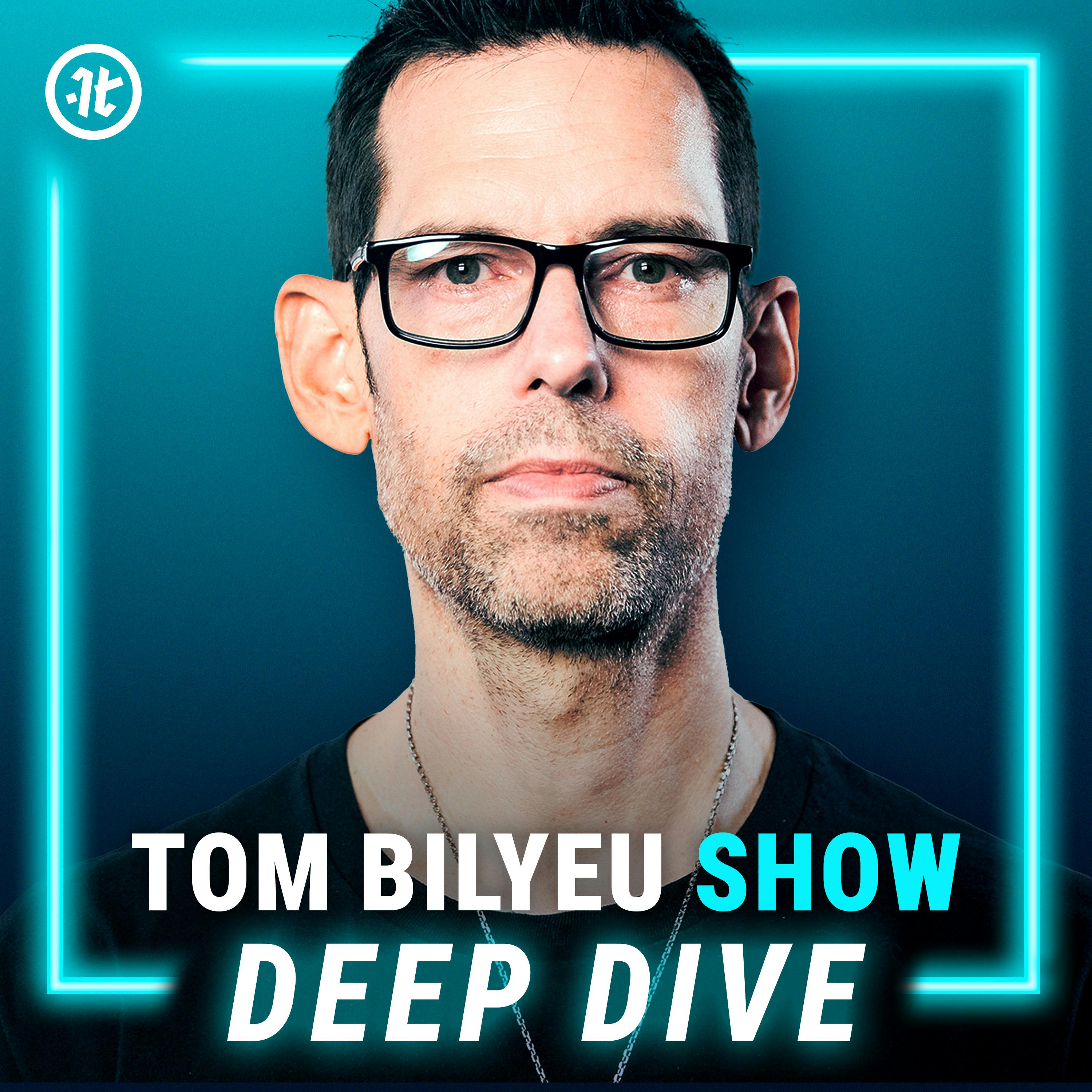
Alexander Stubb posits that recent US foreign policy is uniquely driven by a specific "MAGA" ideology that is fundamentally anti-international order and condescending towards liberal Europe. Understanding this ideological root, beyond just transactional policy, is crucial for allies navigating the relationship with Washington.
Marco Rubio articulated Trump's foreign policy as a 'spheres of influence' model, a modern Monroe Doctrine. This framework cedes global leadership, envisioning a world where the U.S. controls the West, Russia controls its territory and Europe, and China controls Asia. This marks a fundamental shift from America's post-WWII role as a global superpower to a regional one.

Contrary to the isolationist interpretation, "America First" under Trump is a doctrine of pragmatic, and often aggressive, foreign intervention. It justifies actions like controlling another country's resources if they are deemed critical to American national security or economic stability.
