Get your free personalized podcast brief
We scan new podcasts and send you the top 5 insights daily.
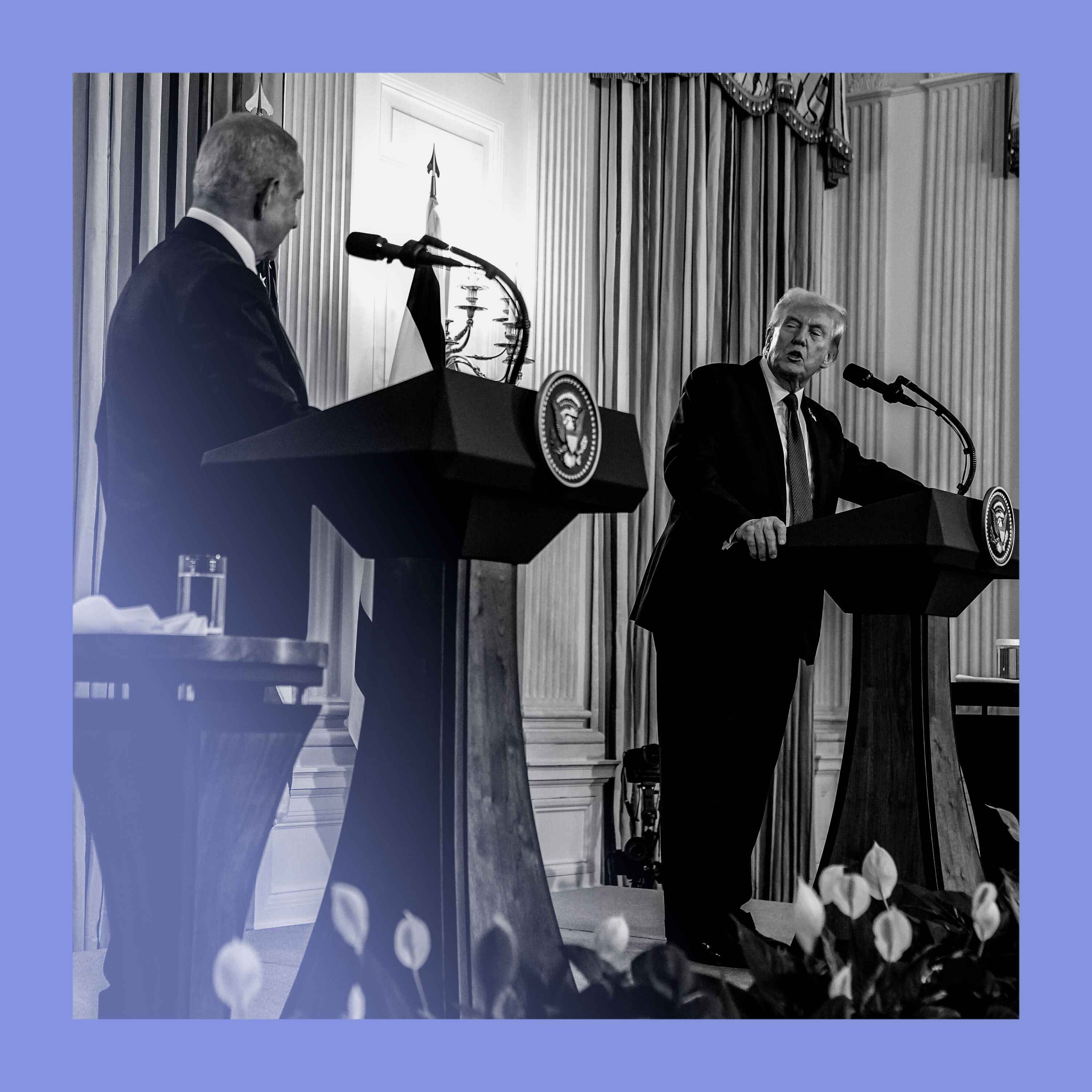
The proposed peace deal’s elements have been discussed for months. The breakthrough isn't the plan itself, but President Trump's willingness to strong-arm Israeli Prime Minister Netanyahu into agreement, a tactic previously avoided by both Trump and his predecessor Joe Biden.
Related Insights
The peace deal materialized only after President Trump became personally and seriously invested. His direct pressure on Prime Minister Netanyahu was the critical factor in shifting Israel's position, suggesting that previous, less forceful American approaches missed opportunities to end the conflict sooner.

Unlike predecessors who acted as "Israel's lawyer," Trump's administration applied coercive pressure to both Israeli and Hamas leadership. According to diplomats, this impartial approach was the key to brokering a peace deal where past efforts failed.

Israeli PM Netanyahu's acceptance of the peace plan is a study in contradiction. While publicly endorsing the deal, he immediately rejected a key component: a role for the Palestinian Authority in post-war Gaza. This tactic creates 'wiggle room' and signals a lack of genuine buy-in, challenging the deal's future.
Trump's 'hokey pokey' with tariffs and threats isn't indecisiveness but a consistent strategy: make an agreement, threaten a severe and immediate penalty for breaking it, and actually follow through. This makes his threats credible and functions as a powerful deterrent that administrations lacking his perceived volatility cannot replicate.

A botched Israeli airstrike in Qatar, a key US ally, was the true catalyst for renewed US peace efforts. The fear of the conflict spiraling out and drawing in other American allies—disrupting a broader Middle East agenda—prompted a decisive push for a resolution, more so than the ongoing tragedy in Gaza itself.
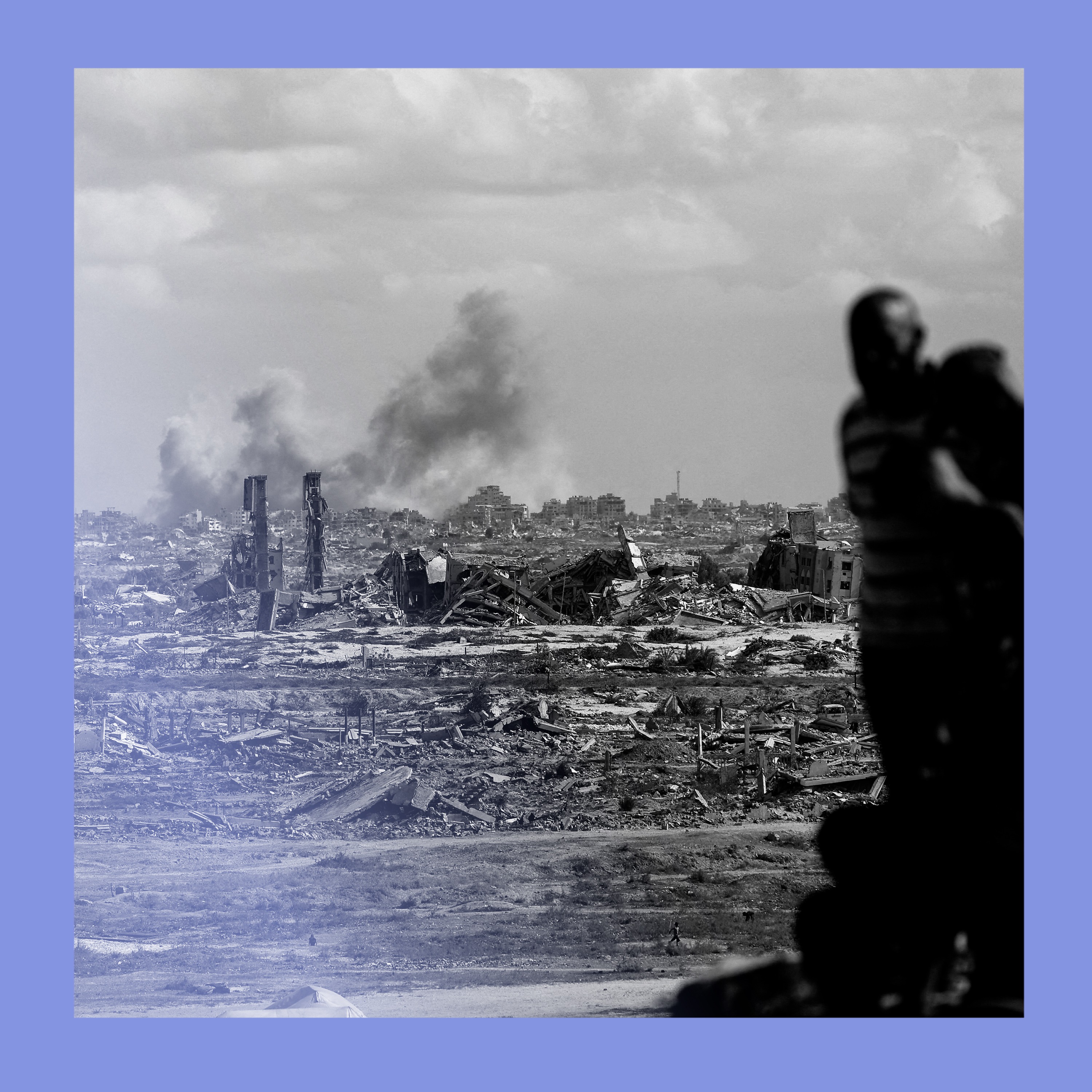
The only historically effective method to resolve deep-rooted religious and ideological conflicts is to shift focus toward shared economic prosperity. Alliances like the Abraham Accords create tangible incentives for peace that ideology alone cannot, by making life demonstrably better for citizens.

A peace plan, largely drafted without Ukrainian input and containing unfavorable terms, has emerged just as President Zelenskyy's government faces its biggest corruption crisis. This timing suggests the US may be using Ukraine's internal turmoil to push for otherwise unacceptable concessions.

The breakthrough was achieved by splitting the agreement into phases. The initial, easier phase focuses on hostage release and partial withdrawal. The most contentious issues, like post-war governance and Hamas's disarmament, were intentionally postponed, creating both immediate success and future risk.
Instead of bridging conflicting narratives, Donald Trump broke a negotiation impasse by unilaterally declaring Hamas's ambiguous response a success. By imposing a new narrative that "everybody wants peace," he preempted objections and forced both sides to proceed, demonstrating how a powerful actor can create momentum by defining reality.
The 20-point plan calls for an international force to disarm Hamas. However, a negotiator revealed that no country has actually committed troops to this force. This critical gap in implementation threatens the entire long-term viability of the deal, as it is unclear who would enforce disarmament.