Get your free personalized podcast brief
We scan new podcasts and send you the top 5 insights daily.
Emanuel asserts that Benjamin Netanyahu, unlike predecessors like Rabin or Begin, has failed to pair military action with a viable diplomatic and political strategy. He claims this has trapped Israel in a self-destructive cycle of perpetual conflict.

Related Insights
Yitzhak Rabin believed normalizing Arab relations required solving the Palestinian conflict. Benjamin Netanyahu's doctrine flipped this: use US military might to neutralize hostile Arab regimes, thereby bypassing the need to address Palestinian statehood at all, a core tenet of his political career.

The peace deal materialized only after President Trump became personally and seriously invested. His direct pressure on Prime Minister Netanyahu was the critical factor in shifting Israel's position, suggesting that previous, less forceful American approaches missed opportunities to end the conflict sooner.

With the main war against Iran ending on disadvantageous terms for Israel, Prime Minister Netanyahu is prolonging the conflict with Hezbollah in Lebanon. This allows him to project a "fighting spirit" to his electorate ahead of an election, turning a secondary front into a primary stage for political posturing.
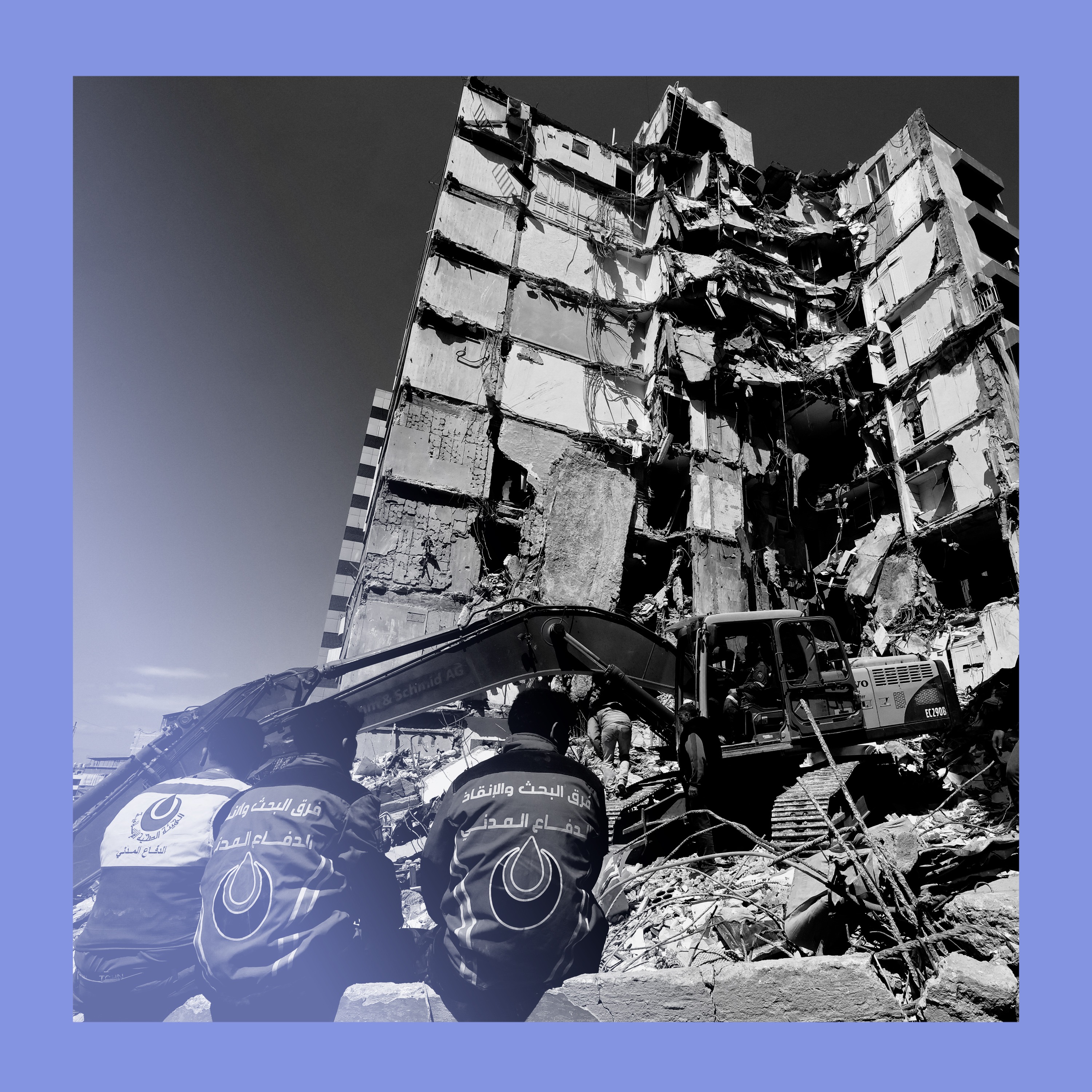
The US needed a conflict that offered the 'appearance of victory' and could be quickly concluded. Israel's goals were more fundamental: ensuring it could never again face a surprise attack, implying a longer, more disruptive war. This misalignment created strategic tension between the allies.

Israeli PM Netanyahu's acceptance of the peace plan is a study in contradiction. While publicly endorsing the deal, he immediately rejected a key component: a role for the Palestinian Authority in post-war Gaza. This tactic creates 'wiggle room' and signals a lack of genuine buy-in, challenging the deal's future.
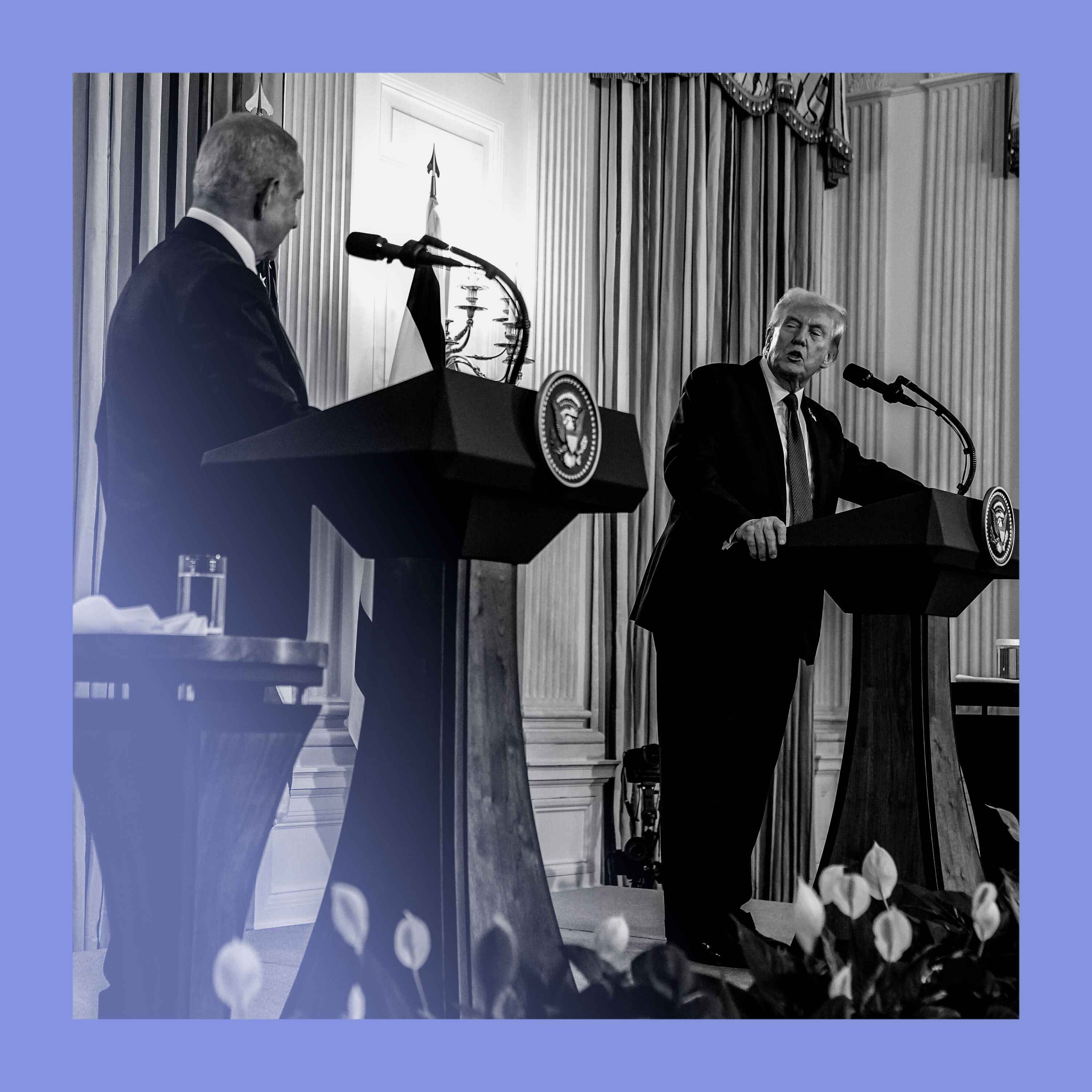
The US attack on Iran was not part of a grand strategy, but the result of Israeli PM Benjamin Netanyahu's two-decade campaign to persuade a US president to act. Professor Allison describes Netanyahu as a 'magician' who successfully 'mesmerized' President Trump into initiating what is effectively 'Bibi's war.'

Israel's traditional public relations approach, which defaults to demonstrating military strength and dismissing criticism, is becoming counterproductive. It fails to build alliances and win the global "PR battle," which is as crucial for long-term survival as military victory.
Israel has repeatedly acted as a "diplomatic spoiler" by killing key Iranian figures that the US was negotiating with. This forces America's hand, complicates any peaceful resolution, and pushes both sides further into conflict, directly undermining US diplomatic overtures.

For Israeli PM Benjamin Netanyahu, an inconclusive end to the war with Iran would be a significant political blow. After claiming a "victory for generations" just eight months prior, another stalemate would undermine his credibility with the Israeli public ahead of an election, making a clear win essential.

Israel historically engaged in periodic, limited conflicts with Hamas to degrade its capabilities without seeking total elimination—a strategy dubbed 'mowing the lawn.' There's concern the current conflict with Iran will follow this pattern, leading to recurring skirmishes rather than a permanent solution.
