Get your free personalized podcast brief
We scan new podcasts and send you the top 5 insights daily.
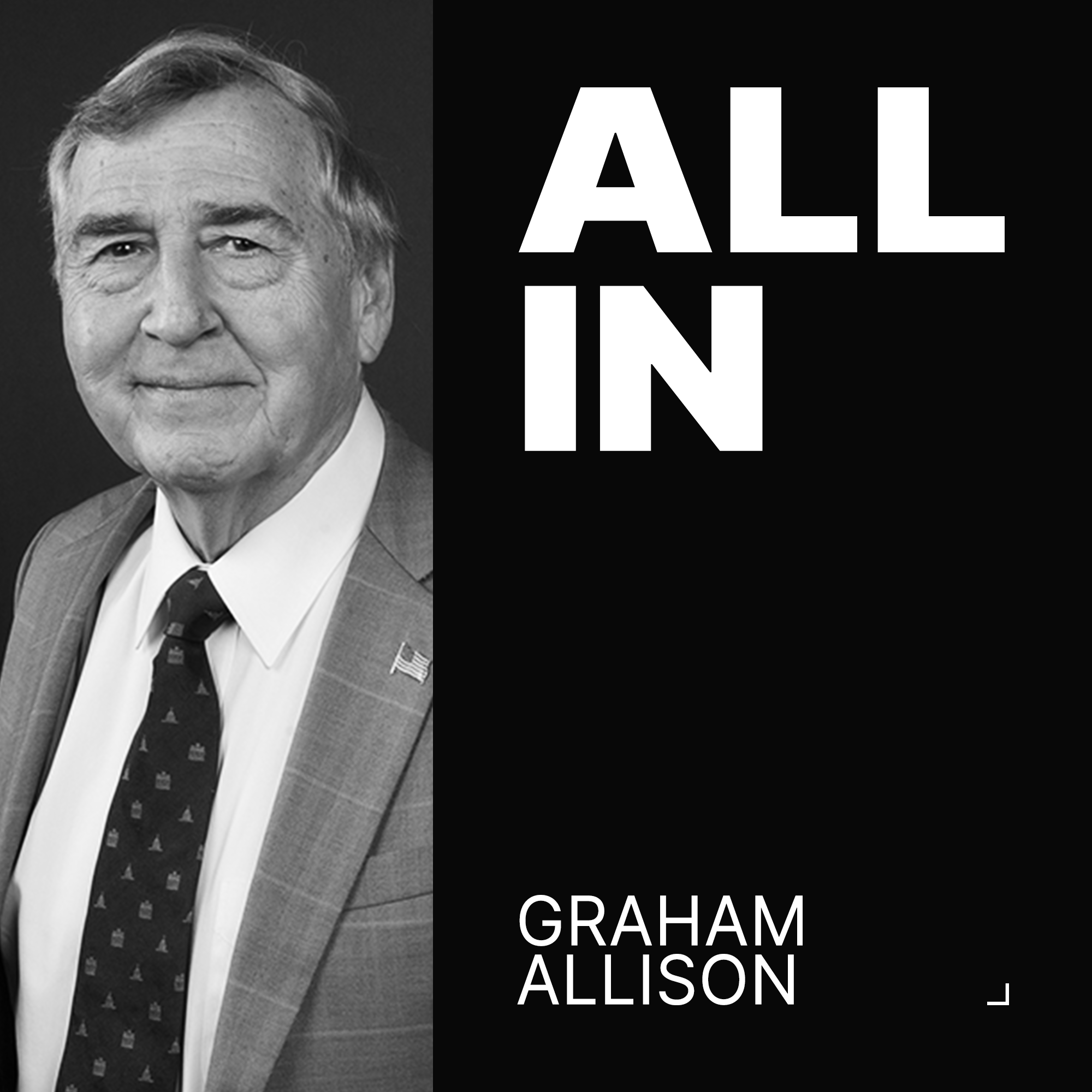
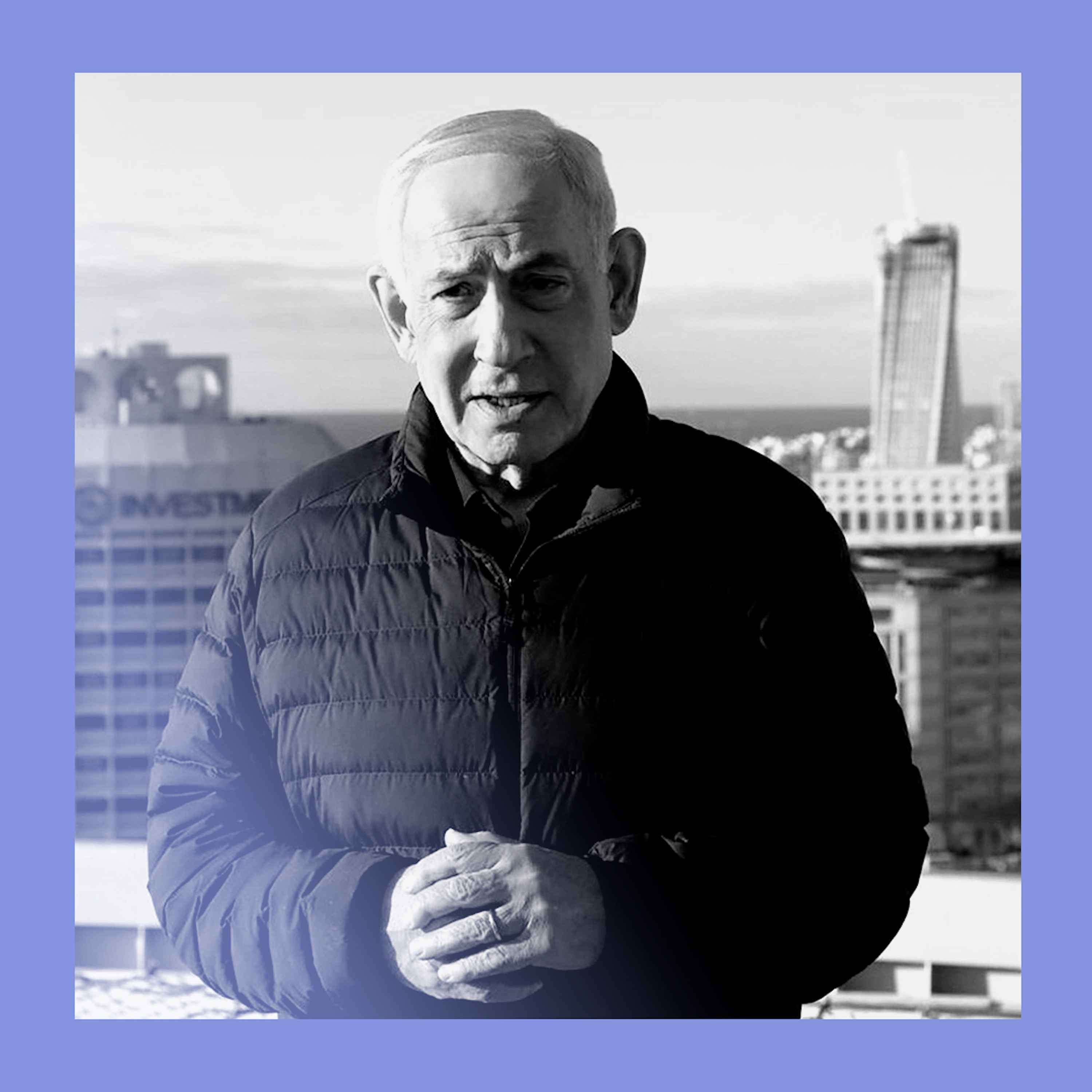
The US attack on Iran was not part of a grand strategy, but the result of Israeli PM Benjamin Netanyahu's two-decade campaign to persuade a US president to act. Professor Allison describes Netanyahu as a 'magician' who successfully 'mesmerized' President Trump into initiating what is effectively 'Bibi's war.'
Related Insights
The peace deal materialized only after President Trump became personally and seriously invested. His direct pressure on Prime Minister Netanyahu was the critical factor in shifting Israel's position, suggesting that previous, less forceful American approaches missed opportunities to end the conflict sooner.

A major part of Trump's political brand was his opposition to costly, "endless wars" and nation-building. The large-scale military operation in Iran represents a complete departure from this philosophy, raising questions about what prompted such a fundamental and unexplained shift in his foreign policy.

While a Trump administration might be tempted to cut a deal and withdraw from conflict with Iran, Israel's post-October 7th security doctrine has changed. Netanyahu's government will likely push hard for complete regime change, complicating any US efforts to de-escalate for political convenience.

While currently aligned, the long-term interests of Israel and the US in a war with Iran could split. Israel seeks total elimination of Iran's missile threat, implying a prolonged conflict. The US, however, may have less tolerance for a drawn-out war due to concerns about its impact on global energy prices and the economy.
Trump has a history of taking actions that foreign policy experts warned would backfire, only for those warnings not to materialize. This track record likely created an overconfidence in his own instincts, causing him to disregard or underestimate the unique dangers of a military confrontation with Iran.
Contrary to his hawkish reputation, Benjamin Netanyahu is deliberately lowering Israel's profile regarding Iran's internal protests. This strategic silence aims to prevent the embattled Iranian regime from feeling cornered and launching a preemptive attack out of paranoia.

The admission that the US strike on Iran was preemptive to an Israeli attack has alienated the isolationist "America First" wing of the Republican party. This reveals a deep ideological split, where actions perceived as prioritizing Israeli security over American interests are causing key MAGA figures to revolt.
The administration justified its attack by claiming it had to preempt an inevitable Israeli strike and the subsequent Iranian retaliation. This reasoning is flawed because it ignores the more direct and less escalatory option: using US influence to stop its ally, Israel, from launching the initial attack.
An ex-CIA spy breaks down "influence literacy." Foreign leaders like Netanyahu strategically speak English, focus on threats to America, and use emotionally charged words like "blackmail" to bypass their domestic audience and directly shape U.S. public opinion and policy.

The attack on Iran is viewed not as a strategic national security move, but as an action motivated by Donald Trump's personal legacy and brand. Decisions are centered on the "Trump" name and persona rather than traditional statecraft or established government policy.
