While the US and Israel launched a joint military campaign against Iran, subsequent peace negotiations were handled exclusively by the US. This reveals that despite their close alliance, America unilaterally dictates the terms for ending conflicts, leaving Israel with little choice but to comply.
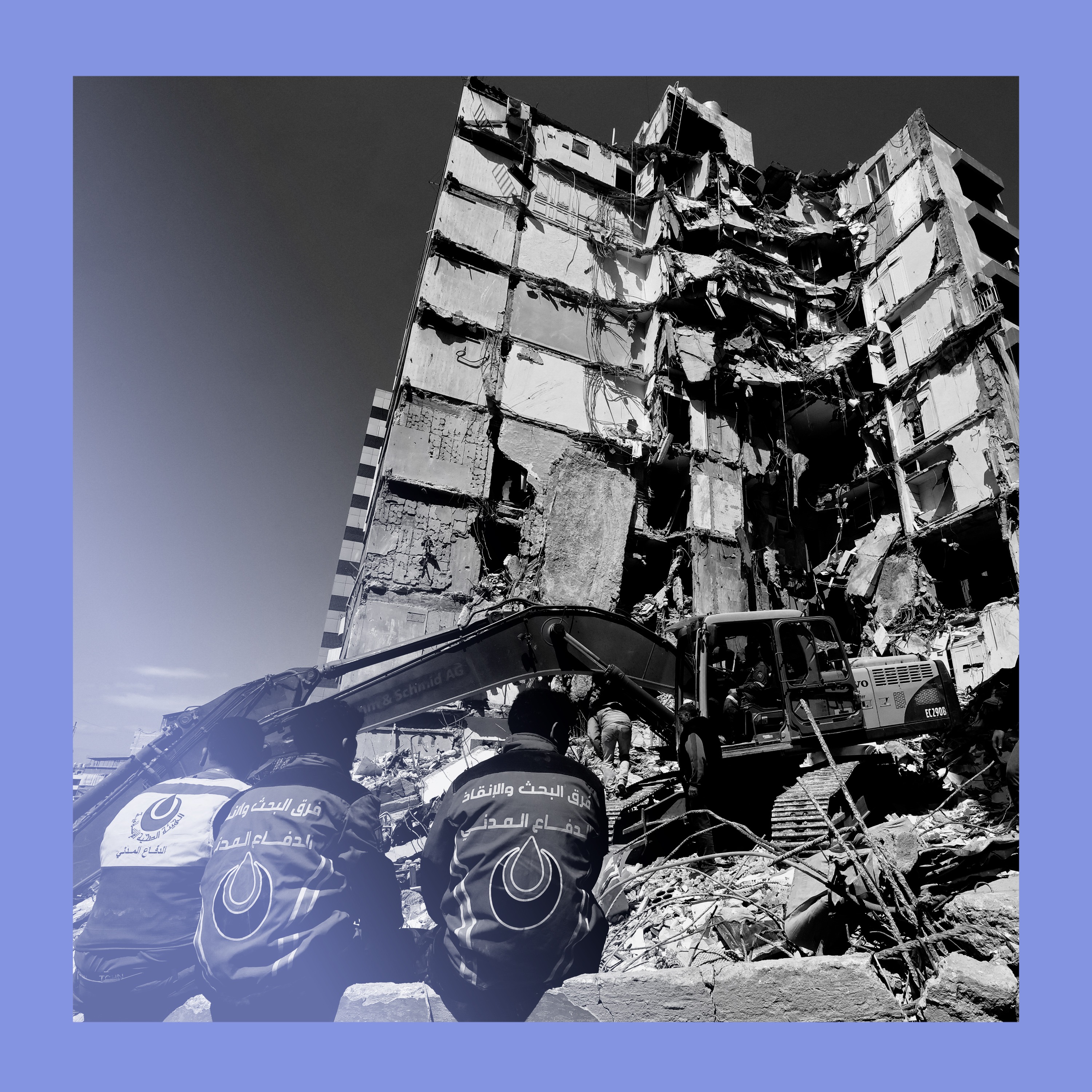
With the main war against Iran ending on disadvantageous terms for Israel, Prime Minister Netanyahu is prolonging the conflict with Hezbollah in Lebanon. This allows him to project a "fighting spirit" to his electorate ahead of an election, turning a secondary front into a primary stage for political posturing.
Following a joint US-Israel war against Iran, key figures in the Trump administration began publicly airing their pre-war reservations. This orchestrated leaking suggests a conscious effort to shift blame and reframe the narrative, distancing Washington from the operation's outcomes as the conflict winds down.
The Artemis II mission's primary objective was less about scientific data and more about psychology and public engagement. It was designed as a modern "media event" to create shared, meaningful experiences through iconic photography, making inspiration a key performance indicator for contemporary space exploration.
The Soviet state created a bogus medical diagnosis, "sluggish schizophrenia," to pathologize political dissent. This tactic allowed the regime to label human rights advocates as mentally ill and confine them to psychiatric prisons, effectively turning medicine into a tool of political repression.
Psychiatrist and dissident Semyon Gluzman reported feeling the "same keen sense of freedom" in the punishment cells of a Soviet labor camp as in his Kyiv apartment during wartime blackouts. This reveals a profound paradox: for him, true freedom was an internal state of resistance, most acutely felt when external liberties were stripped away.