Get your free personalized podcast brief
We scan new podcasts and send you the top 5 insights daily.
With the main war against Iran ending on disadvantageous terms for Israel, Prime Minister Netanyahu is prolonging the conflict with Hezbollah in Lebanon. This allows him to project a "fighting spirit" to his electorate ahead of an election, turning a secondary front into a primary stage for political posturing.
Related Insights
The US needed a conflict that offered the 'appearance of victory' and could be quickly concluded. Israel's goals were more fundamental: ensuring it could never again face a surprise attack, implying a longer, more disruptive war. This misalignment created strategic tension between the allies.

While a Trump administration might be tempted to cut a deal and withdraw from conflict with Iran, Israel's post-October 7th security doctrine has changed. Netanyahu's government will likely push hard for complete regime change, complicating any US efforts to de-escalate for political convenience.

The US attack on Iran was not part of a grand strategy, but the result of Israeli PM Benjamin Netanyahu's two-decade campaign to persuade a US president to act. Professor Allison describes Netanyahu as a 'magician' who successfully 'mesmerized' President Trump into initiating what is effectively 'Bibi's war.'
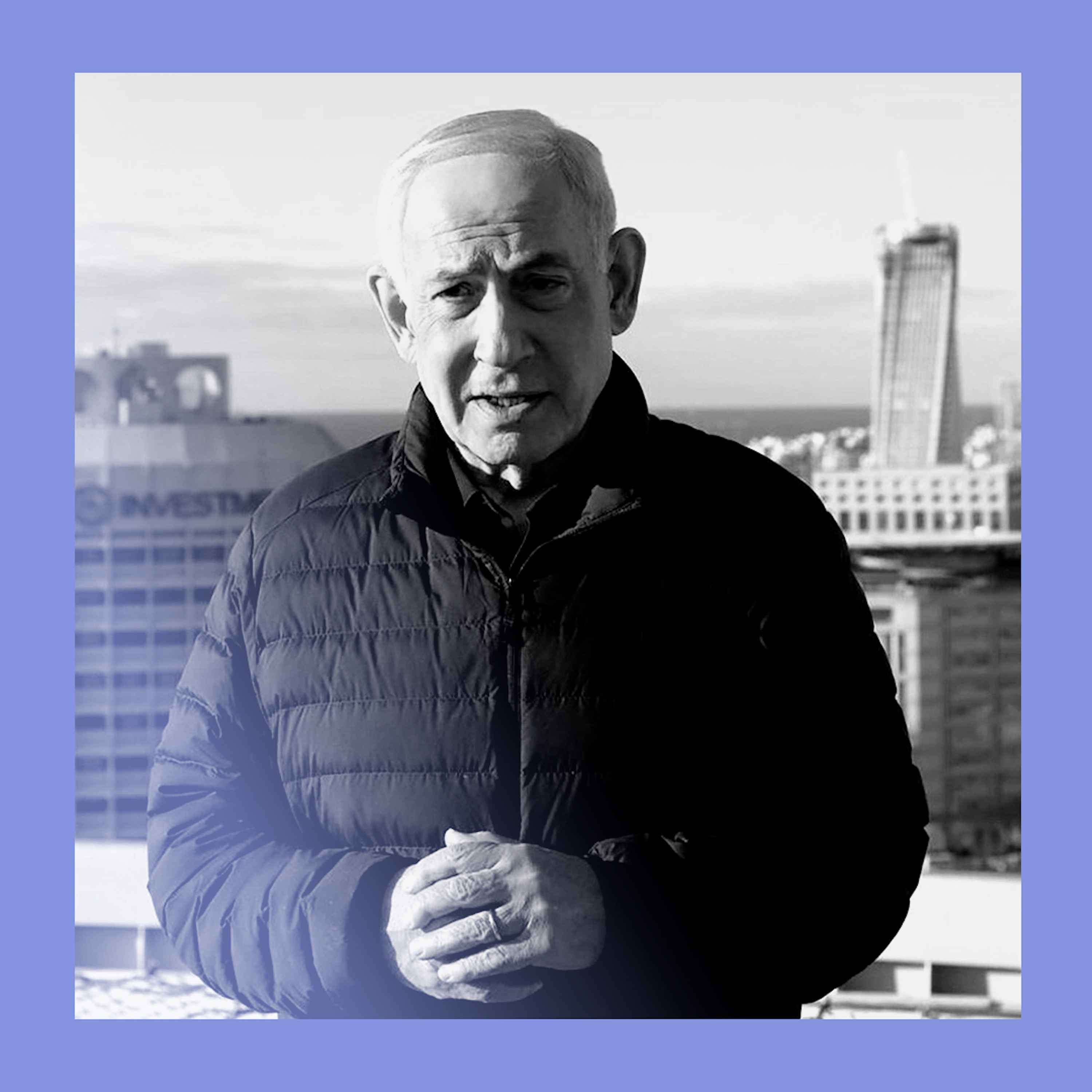
Contrary to his hawkish reputation, Benjamin Netanyahu is deliberately lowering Israel's profile regarding Iran's internal protests. This strategic silence aims to prevent the embattled Iranian regime from feeling cornered and launching a preemptive attack out of paranoia.

Israel's traditional public relations approach, which defaults to demonstrating military strength and dismissing criticism, is becoming counterproductive. It fails to build alliances and win the global "PR battle," which is as crucial for long-term survival as military victory.
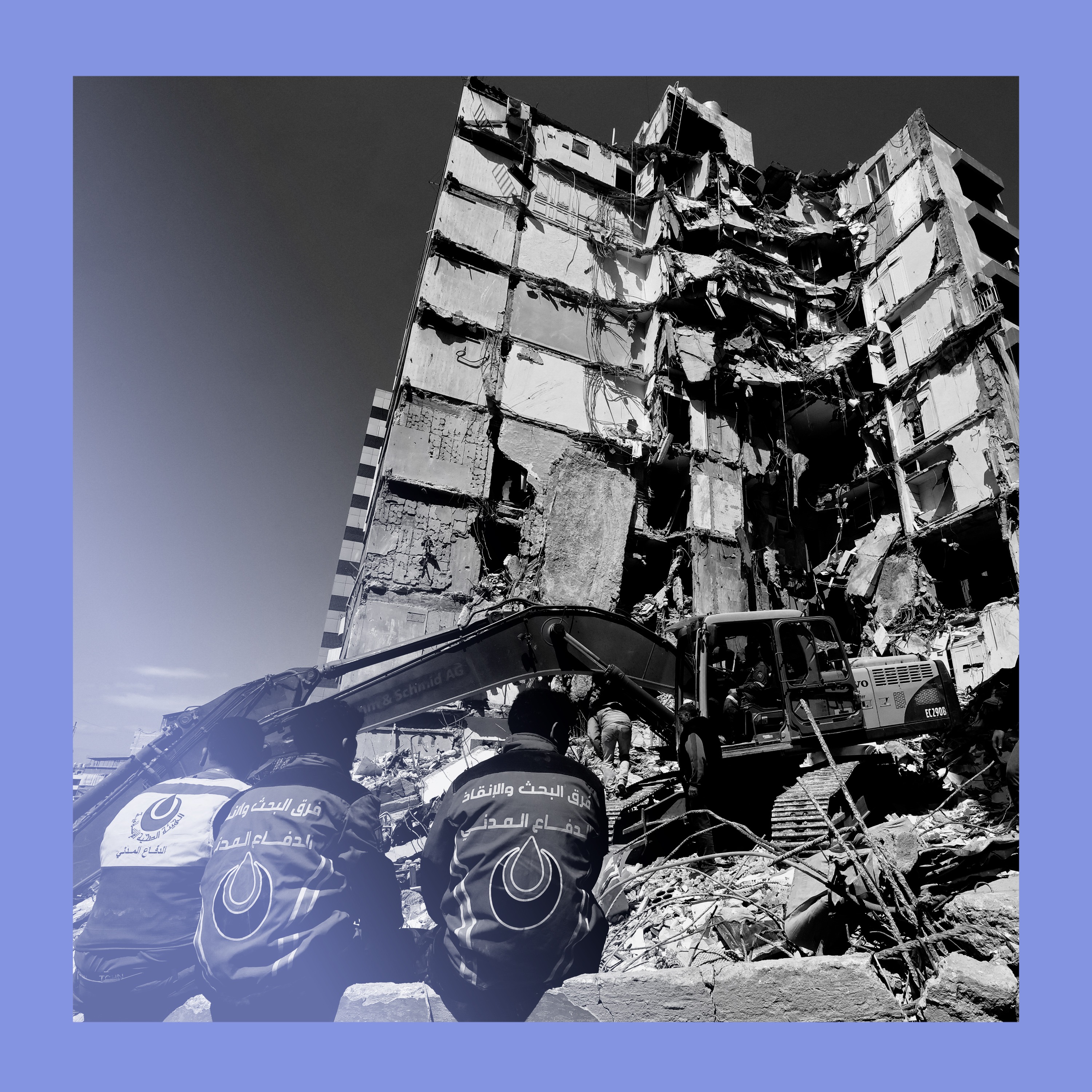
Hezbollah's involvement in the conflict is not a strategic choice but an obligation to its patron, Iran. This puts the group in a perilous position, as another war with Israel is deeply unpopular in Lebanon and comes when Hezbollah is still weakened from a previous conflict and would prefer to be rebuilding its forces.
In modern conflicts, opposing sides can both credibly claim to be winning by focusing on different objectives and battlefields. The US and Israel target Iran's military, while Iran attacks its Gulf neighbors and the global economy. Each side wins its own war while losing the other's, creating a complex and self-perpetuating narrative of success.
Historically, confronting Hezbollah was a dangerous taboo in Lebanese politics. Now, facing a potential Israeli invasion, the government has explicitly stated its aim to disarm the group, representing a significant shift in the Overton window of what is politically discussable and possible.

For Israeli PM Benjamin Netanyahu, an inconclusive end to the war with Iran would be a significant political blow. After claiming a "victory for generations" just eight months prior, another stalemate would undermine his credibility with the Israeli public ahead of an election, making a clear win essential.
Israel historically engaged in periodic, limited conflicts with Hamas to degrade its capabilities without seeking total elimination—a strategy dubbed 'mowing the lawn.' There's concern the current conflict with Iran will follow this pattern, leading to recurring skirmishes rather than a permanent solution.
