Get your free personalized podcast brief
We scan new podcasts and send you the top 5 insights daily.
Yitzhak Rabin believed normalizing Arab relations required solving the Palestinian conflict. Benjamin Netanyahu's doctrine flipped this: use US military might to neutralize hostile Arab regimes, thereby bypassing the need to address Palestinian statehood at all, a core tenet of his political career.

Related Insights
The peace deal materialized only after President Trump became personally and seriously invested. His direct pressure on Prime Minister Netanyahu was the critical factor in shifting Israel's position, suggesting that previous, less forceful American approaches missed opportunities to end the conflict sooner.

While the US and Israel launched a joint military campaign against Iran, subsequent peace negotiations were handled exclusively by the US. This reveals that despite their close alliance, America unilaterally dictates the terms for ending conflicts, leaving Israel with little choice but to comply.

The US needed a conflict that offered the 'appearance of victory' and could be quickly concluded. Israel's goals were more fundamental: ensuring it could never again face a surprise attack, implying a longer, more disruptive war. This misalignment created strategic tension between the allies.

Rather than a peace deal, the Abraham Accords signaled to Palestinians that their cause was being permanently sidelined by the Arab world. This removal of hope for a future state, guest Dave Smith argues, created the desperation that set the stage for violent outbreaks like October 7.
Israeli PM Netanyahu's acceptance of the peace plan is a study in contradiction. While publicly endorsing the deal, he immediately rejected a key component: a role for the Palestinian Authority in post-war Gaza. This tactic creates 'wiggle room' and signals a lack of genuine buy-in, challenging the deal's future.
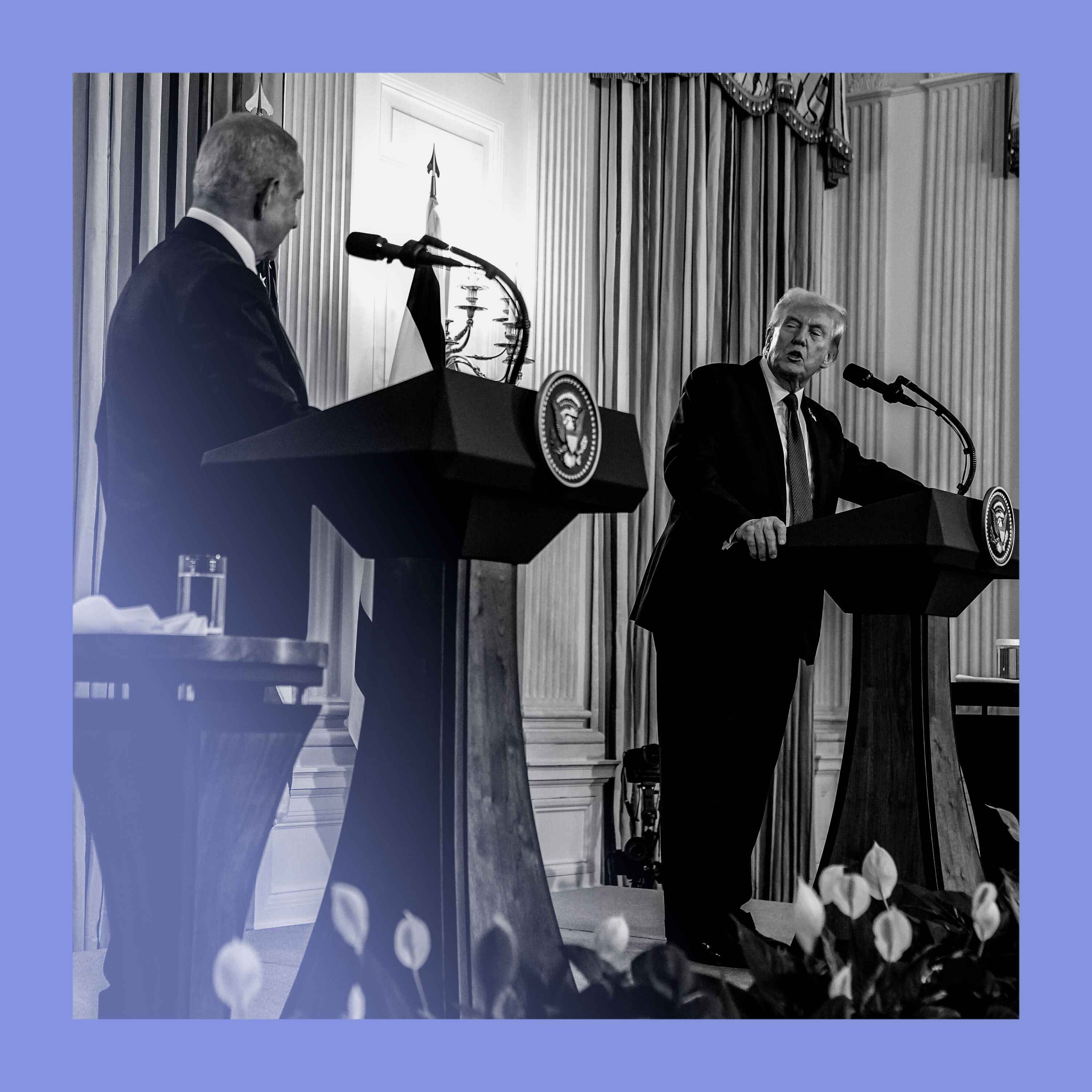
While a Trump administration might be tempted to cut a deal and withdraw from conflict with Iran, Israel's post-October 7th security doctrine has changed. Netanyahu's government will likely push hard for complete regime change, complicating any US efforts to de-escalate for political convenience.

The US attack on Iran was not part of a grand strategy, but the result of Israeli PM Benjamin Netanyahu's two-decade campaign to persuade a US president to act. Professor Allison describes Netanyahu as a 'magician' who successfully 'mesmerized' President Trump into initiating what is effectively 'Bibi's war.'
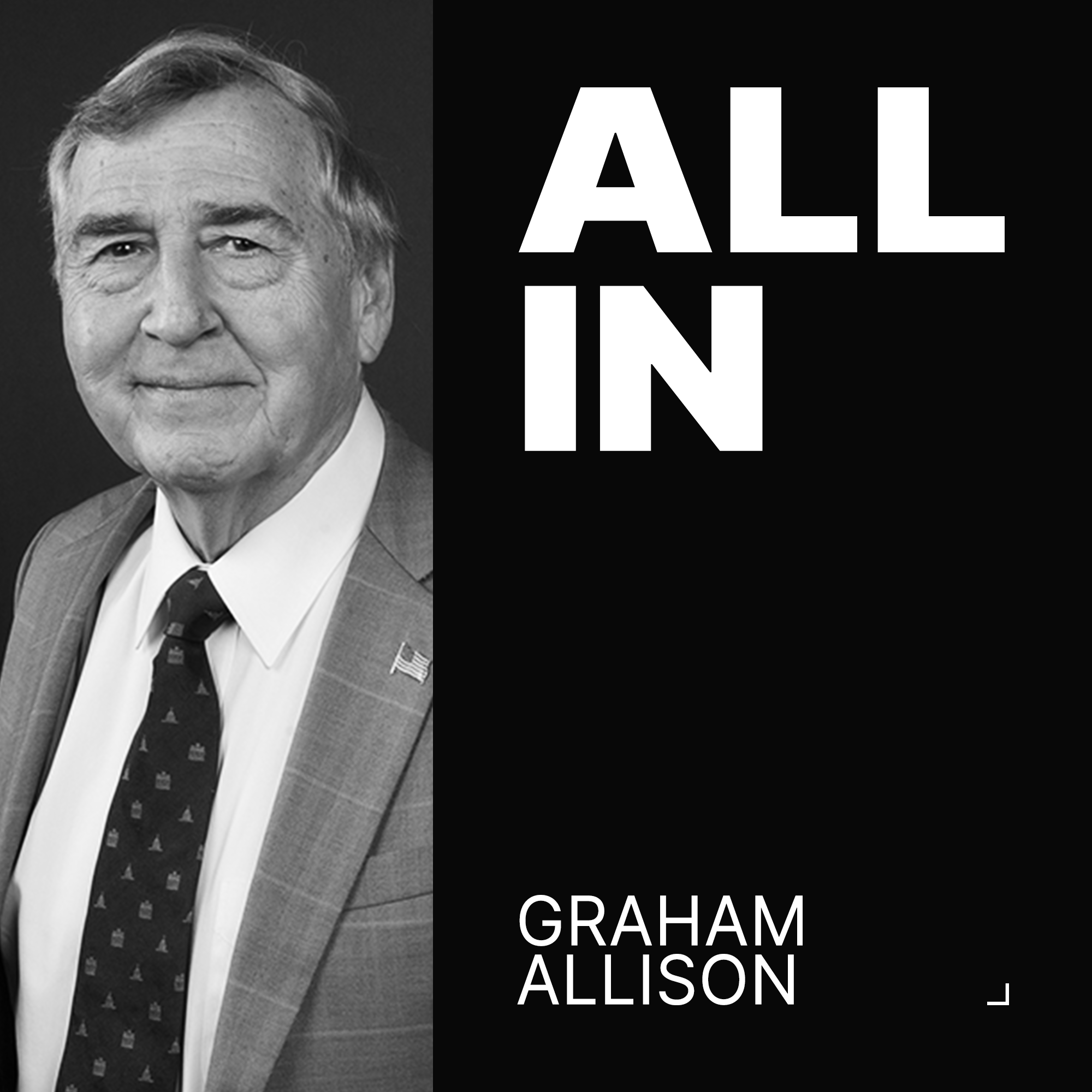
The proposed peace deal’s elements have been discussed for months. The breakthrough isn't the plan itself, but President Trump's willingness to strong-arm Israeli Prime Minister Netanyahu into agreement, a tactic previously avoided by both Trump and his predecessor Joe Biden.
Despite Trump's stated goal of ending "stupid wars," U.S. foreign policy in the Middle East has aligned more closely with the neoconservative and Israeli lobby's long-term goal of remaking the region. This suggests their influence is a more reliable predictor of U.S. action than the President's own rhetoric.

Despite a united military front against Iran, the US and Israel have divergent long-term goals. The Trump administration aims for a "Venezuela outcome"—a controlled regime ensuring oil flow—while Netanyahu's government is focused on total regime change, creating potential for a future strategic clash.
