Get your free personalized podcast brief
We scan new podcasts and send you the top 5 insights daily.
When venture investors publicly criticize their own portfolio companies—especially in competitive situations—they damage their firm's brand and create deal-making vulnerabilities. Competing venture firms use these public reprimands as evidence to warn prospective founders against partnering with an investor who might turn hostile when difficulties arise. Venture firms managing competing investments must maintain discipline and avoid publicly picking sides, or risk enduring severe reputational penalties.

Related Insights
Leaked exchanges show OpenAI leadership felt "betrayed" when early investor Reid Hoffman started rival Inflection AI. This prompted them to consider asking new investors for a "soft promise" not to fund competitors, a highly unusual and restrictive term in venture capital.
While returns come from a small number of breakout companies, a VC firm's long-term reputation and deal flow are determined by its relationship with all founders. How a firm supports founders through failure influences whether they'll back them again or if those founders will recommend the firm to others.

A VC recounts how another firm threatened legal action against founders who chose a billion-dollar acquisition offer over their term sheet. The conflict was resolved only when the aggressive VC was reminded that their primary duty is to founders and that such behavior would destroy their firm's reputation.

The power dynamic is shifting, with founders now conducting due diligence on VCs by asking their portfolio founders how they behaved during tough times. Investors who were unhelpful, absent, or pushed for unfavorable terms are developing a negative reputation that impacts their ability to win competitive deals.

When Kled's founder publicly called out a competitor and their VC, his investors' initial reaction was fear, telling him to take the post down. However, after seeing the public support, they quickly reversed course and backed his aggressive stance.
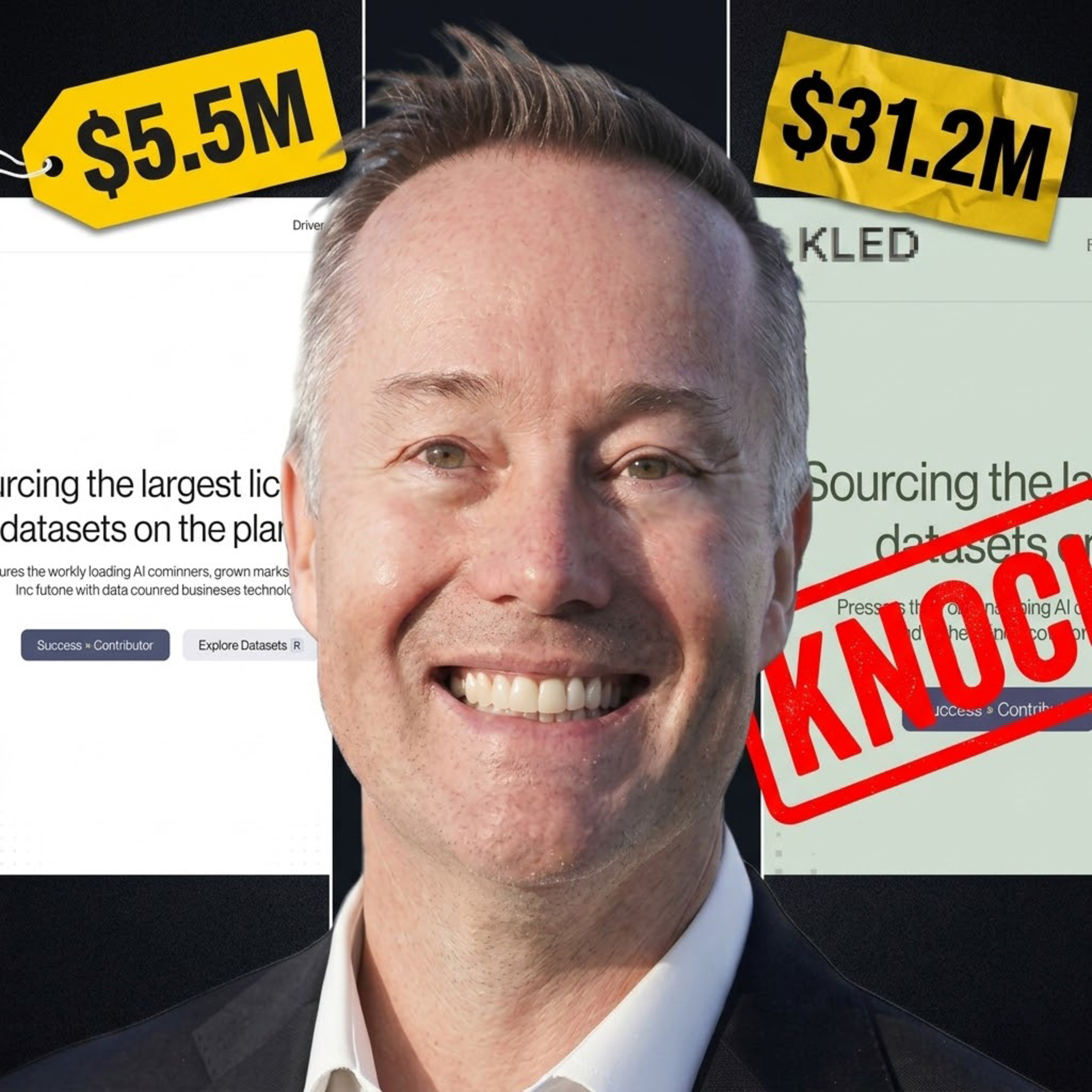
When investor Vinod Khosla, an LP in both Factory and Cognition, publicly attacked Factory's founder, it carried more weight than typical online drama. An investor attacking their own portfolio company suggests the founder's behavior was so egregious that the investor felt compelled to publicly distance themselves, overriding their financial interests.

Y Combinator has a history of launching personal and professional attacks against competing accelerators it perceives as legitimate threats. This pattern was observed with 500 Startups and Neo, making it a predictable indicator of a rival's success and market impact.

An investor might feign disinterest or negativity towards a startup in their portfolio to mislead competitors or manage perceptions before a new funding round. In one case, an investor called a portfolio company a bad deal due to a pivot, only to lead its next large round just two weeks later.

The core competitive advantage a venture firm compounds over time is its reputation. This reputation is transferable to portfolio companies, granting them immediate credibility with recruits, customers, and future investors, but it requires extreme vigilance to protect.
Vinod Khosla publicly rebuked the founder of Factory, a Khosla Ventures portfolio company. This is highly unusual as VCs have a financial incentive to protect their investments. The public nature of the criticism indicates the founder's actions were perceived as exceptionally damaging or unethical, overriding typical investor-founder alignment.