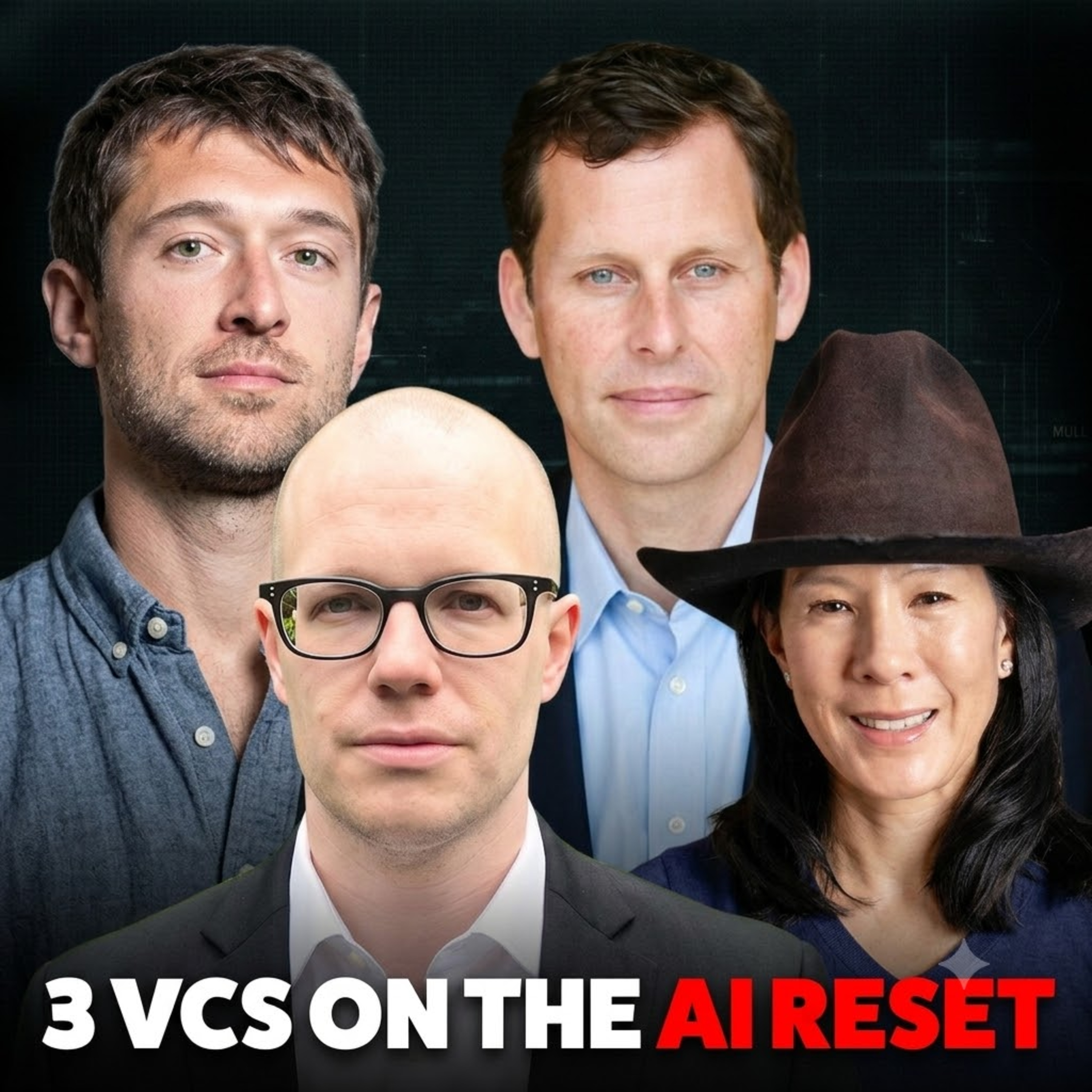
VCs like Ben Lair of Lair Hippo and Aileen Lee of Cowboy VC are shifting from active tweeting to lurking. They've concluded that the mental toll and time commitment of social media outweigh the benefits for brand building and deal flow, marking a counter-trend to the "build in public" VC persona.
Ben Lair explains that his LPs, typically large institutions, don't pressure his early-stage fund for immediate exits. Their venture portfolios are so large that they depend on massive outcomes from mega-funds (like a SpaceX IPO) to meaningfully impact their returns and rebalance their allocations.
Seed investors are finding they must step back into old portfolio companies (8-12 years post-investment) because later-stage board members are often disengaged. These larger fund partners are distracted by new, massive AI funds and are effectively "asleep at the wheel," creating dysfunctional boards.
For companies that are not generational outliers, the first serious M&A offer is usually the best one they will receive. Lair Hippo's philosophy is that founders should take these initial offers extremely seriously, as trying to run a lengthy process often fails to produce a better outcome and risks the original deal.
Mike Maples suggests startups unable to justify venture-scale burn should pivot from a growth-first to a profit-first model. He cites KeepSafe, which adopted this strategy and has since paid out over $10M in dividends on a $1.5M investment, ensuring long-term survival and investor returns.
The established SaaS growth benchmark of "triple, triple, double, double" is no longer sufficient in the AI era. To secure Series A and B funding today, VCs expect AI-native companies to demonstrate much faster initial traction, closer to 5x, then 4.5x year-over-year revenue growth.
VC Ben Lair observes a dangerous trend of AI startups building solutions for problems that only exist due to the current limitations of foundation models. As the models rapidly improve, these problems disappear, giving the startups an extremely short, non-viable lifespan before they are made obsolete.
Mike Maples argues that raising a $100M+ seed round is a strategic error for most founders. It sets impossibly high valuation expectations, removing the optionality for a smaller, multi-million dollar exit that would still be life-changing, similar to Mark Cuban's sale of Broadcast.com.
Aileen Lee points out a historical mismatch between tech hype and company creation. The most successful companies (e.g., Anthropic, Wiz) were founded when VC attention was focused on other trends (crypto, future of work). The best founders often build quietly for years, away from the current spotlight.
As generative AI creates an abundance of low-quality output, or "slop," a new category of "Acceptance AI" will emerge. Mike Maples predicts these will be credibly neutral, third-party systems that act like audit firms, verifying the correctness and quality of AI-generated work, which is becoming a scarce resource.
Startups are learning that spending significant time and money fine-tuning a specific open-weight model is a bad strategy. The rapid pace of AI progress means a new, superior model will be released within weeks, rendering the fine-tuning effort obsolete and a waste of precious engineering resources.
The smartest 'AI-pilled' companies adopt a two-tiered model strategy. They use expensive, frontier models for internal, high-leverage tasks like creating new knowledge and optimizing processes. However, they use cheaper, open-weight models in the 'bill of materials' for the customer-facing product to manage costs effectively.
The power dynamic is shifting, with founders now conducting due diligence on VCs by asking their portfolio founders how they behaved during tough times. Investors who were unhelpful, absent, or pushed for unfavorable terms are developing a negative reputation that impacts their ability to win competitive deals.