Get your free personalized podcast brief
We scan new podcasts and send you the top 5 insights daily.
While returns come from a small number of breakout companies, a VC firm's long-term reputation and deal flow are determined by its relationship with all founders. How a firm supports founders through failure influences whether they'll back them again or if those founders will recommend the firm to others.

Related Insights
A venture capitalist's career security directly impacts the founder relationship. VCs with a proven track record (like Sequoia's Andrew Reed) act as supportive partners. In contrast, junior or less successful VCs often transfer pressure from their own partnerships onto the founder, creating a stressful and counterproductive dynamic.

David Cohen of Techstars advises founders to request references from a VC's failed investments. This reveals how an investor behaves during difficult times, providing a more honest assessment of their character and support level than speaking only with successful founders.

The power dynamic is shifting, with founders now conducting due diligence on VCs by asking their portfolio founders how they behaved during tough times. Investors who were unhelpful, absent, or pushed for unfavorable terms are developing a negative reputation that impacts their ability to win competitive deals.
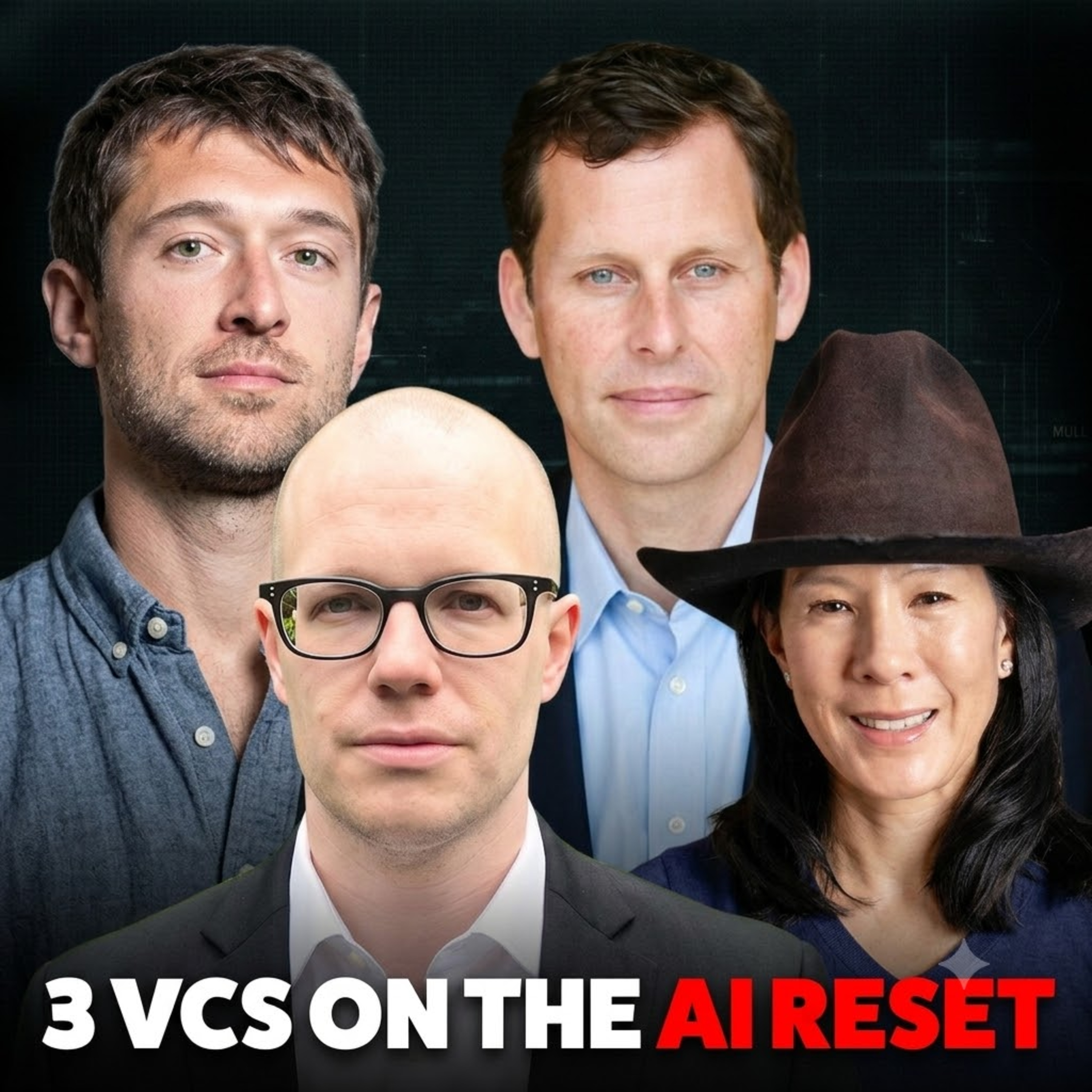
The abundance of capital has shifted the VC mindset from serving founders over a decade to simply "winning" the next hot deal. This transactional approach is misaligned with what founders truly need: a committed, long-term partner who puts the company first.

Every VC firm claims to help with recruiting and marketing. The real, defensible value proposition is being the go-to person who has an answer when a founder gets stuck with a unique, complex problem, from co-founder disputes to financing strategy. This value can only be conveyed through references.

By defining the entrepreneur as the primary customer, a VC firm changes its entire operating model. This customer-centric view informs decisions on partner incentives (removing attribution), community building, and support services. The result is a powerful brand that attracts the best founders and generates high-fidelity deal flow through referrals.
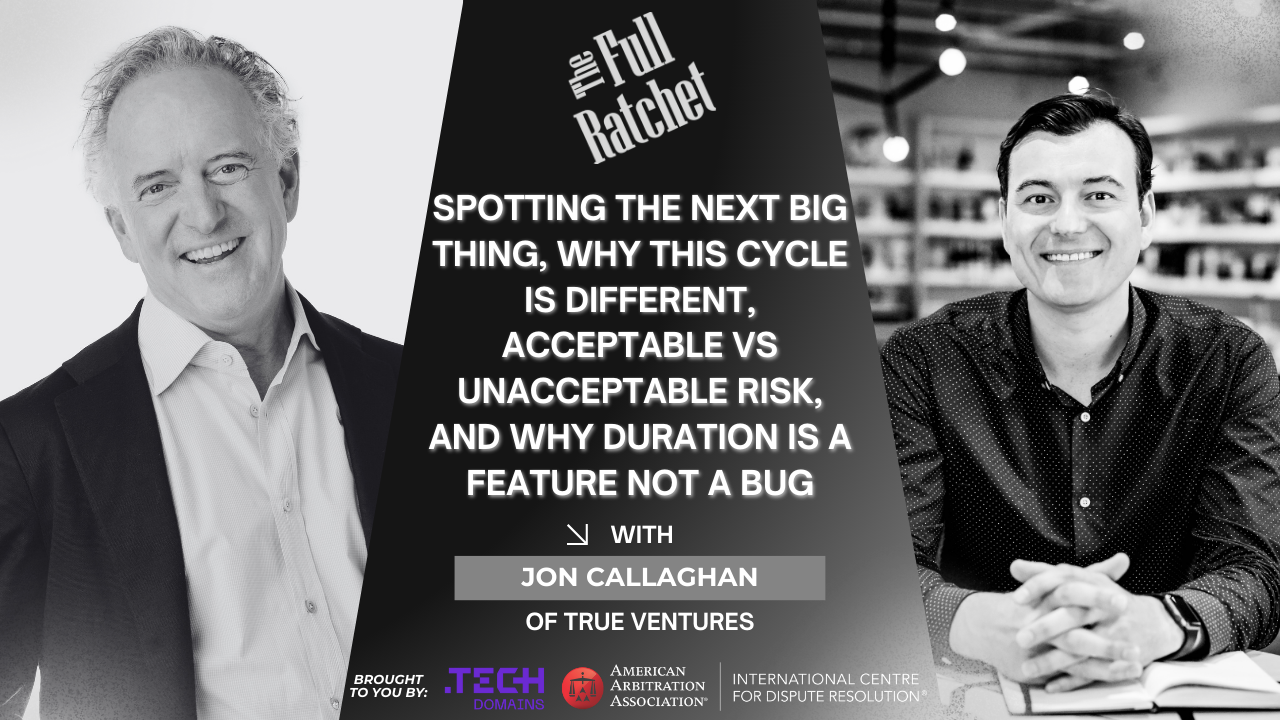
While it's easy to stop funding obviously failing companies, the most difficult decisions involve startups that are doing okay but are not on a trajectory for venture-scale returns. The emotional challenge for VCs is balancing their supportive, founder-friendly role with the tough-minded discipline required for their LPs.

The core competitive advantage a venture firm compounds over time is its reputation. This reputation is transferable to portfolio companies, granting them immediate credibility with recruits, customers, and future investors, but it requires extreme vigilance to protect.
When an investment fails, a superior long-term strategy is to be generous and supportive to the founder, even offering to help with their next venture. This approach defines your character as an investor, builds goodwill, and acknowledges that luck plays a huge role in success.

Do not assume senior investors from larger funds will enforce founder accountability. Early-stage investors, who possess deep historical context and trust, have a unique responsibility to continue having direct, uncomfortable performance conversations, regardless of who else is on the cap table.
