Get your free personalized podcast brief
We scan new podcasts and send you the top 5 insights daily.
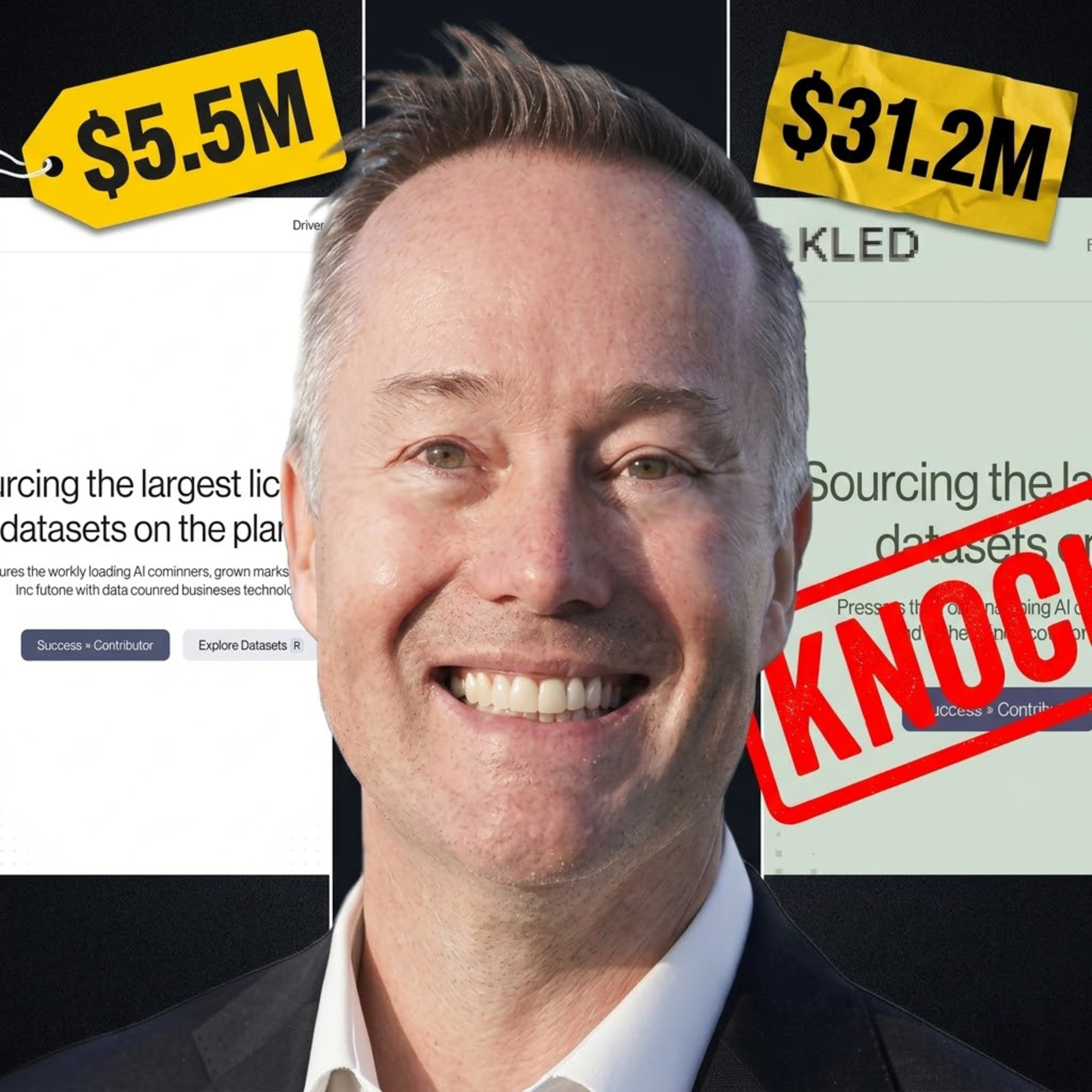
When Kled's founder publicly called out a competitor and their VC, his investors' initial reaction was fear, telling him to take the post down. However, after seeing the public support, they quickly reversed course and backed his aggressive stance.
Related Insights
Soon after taking a minority investment, Daniel Lubetzky's PE partners tried to force him out as CEO, threatening to poach key hires and ruin his business. He called their bluff, demonstrating the critical need for founders to anticipate and stand up to aggressive, misaligned investors.

A venture capitalist's career security directly impacts the founder relationship. VCs with a proven track record (like Sequoia's Andrew Reed) act as supportive partners. In contrast, junior or less successful VCs often transfer pressure from their own partnerships onto the founder, creating a stressful and counterproductive dynamic.

In today's founder-centric climate, many VCs avoid confrontation to protect their reputation (NPS) within the founder network. This fear of being blacklisted leads them to abdicate their fiduciary duty to shareholders, failing to intervene even when a company's performance is dire and hard decisions are needed.

In a hyper-competitive market, a VC's role isn't just to be supportive. Being an enabler who offers feel-good praise while ignoring competitive threats can lead to a 'death spiral.' The best board members are 'founder honest,' providing fact-based, clear-eyed analysis of the competitive landscape to force necessary action.

Investing in founders like Rippling's Parker Conrad or Anduril's Palmer Luckey post-controversy is a bet that the media narrative was wrong and they were unfairly 'thrown under the bus.' It's a high-conviction strategy focused on backing resilient individuals who emerge from public firestorms stronger and more focused.
The pervasive trend of VCs being "founder-friendly" often manifests as "hypocritical politeness" that withholds crucial, direct feedback. This ultimately hurts the company. Strong founders don't select for niceness; they seek partners who provide brutally honest input to help them improve.

When criticism emerges online, leaders face a choice: engage or ignore. Engaging can show transparency, as the USVC portfolio manager did in a viral thread. However, it can also amplify a critic with a small following and potentially be an unproductive use of time.

When faced with a blatant copycat and lacking legal resources, a founder's best defense can be a public campaign. This creates social pressure, rallies support, and puts the competitor and their investors on the defensive, as Kled founder Avi Patel demonstrated.
Advocating for founders sometimes requires direct confrontation. During the SVB crisis, Ron Conway didn't just advise; he directly pressured the heads of congressional banking committees, telling them they would be responsible for a worldwide crisis if they didn't act. This "fearless" approach is crucial in high-stakes situations.

When a potential LP dismissed them to advise NFL players, the a16z founders didn't just get discouraged; they got angry. This disrespect became a powerful, "nuclear fire" motivation to succeed and prove the investor wrong, a common pattern for resilient entrepreneurs.