Get your free personalized podcast brief
We scan new podcasts and send you the top 5 insights daily.
An investor might feign disinterest or negativity towards a startup in their portfolio to mislead competitors or manage perceptions before a new funding round. In one case, an investor called a portfolio company a bad deal due to a pivot, only to lead its next large round just two weeks later.

Related Insights
The leak of Sabi's BCI funding round by 'Art for Rock' is framed not as a simple breach, but as a potential strategy. Publicizing a preempted round creates urgency and social proof, attracting inbound interest from other VCs who missed the initial deal flow, though it can also be disruptive for the founding team.

A controversial fundraising tactic involves a lead VC investing in two tranches: one at a lower, previous valuation and one at the new, higher valuation. This creates a discounted 'blended price' for the investor while the founder is encouraged to only message the higher price.

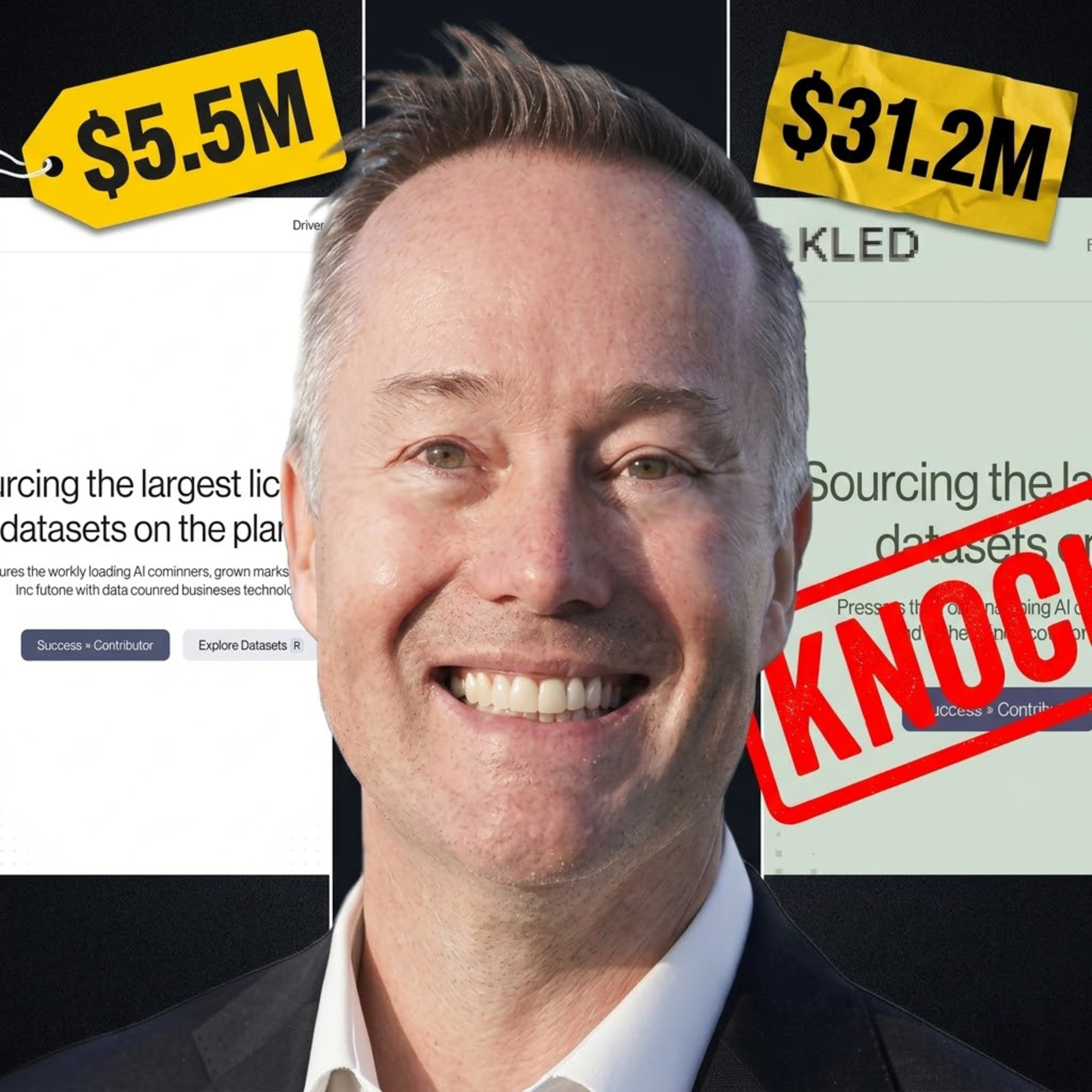
When Kled's founder publicly called out a competitor and their VC, his investors' initial reaction was fear, telling him to take the post down. However, after seeing the public support, they quickly reversed course and backed his aggressive stance.
When a lead investor declines to participate in a portfolio company's follow-on funding, it signals a loss of confidence. This "big black eye" spooks new investors and can jeopardize the entire fundraise. Reserving capital for these rounds is critical for both financial and signaling reasons.

If a venture capitalist seems dismissive or is about to pass on your startup, abruptly moving to end the conversation can trigger their fear of missing out. Their instinct to not let a potential deal walk away can make them instantly re-engage, even if it's only to offer help or introductions.

VCs may invest in two tranches at different valuations (e.g., $500M and $1B) but allow the founder to publicize only the higher number. This practice can make the company seem more valuable than its blended price, potentially misleading employees and future investors.

While multi-stage funds offer deep pockets, securing a new lead investor for later rounds is often strategically better. It provides external validation of the company's valuation, brings fresh perspectives to the board, and adds another powerful, committed firm to the cap table, mitigating signaling risk from the inside investor.

A lead investor's influence can place startup founders in a difficult position, compelling them to accept investments from controversial sources they might otherwise reject. The example of Curie Bio introducing a portfolio company to Boris Nikolic's fund highlights the power imbalance, where founders may lack the leverage to refuse capital for fear of jeopardizing their primary funding relationship.

When a highly sought-after startup allows an existing seed investor to contribute a large portion of a new round, it's often a warning sign. It suggests a lack of demand from other top-tier investors, which is a counterintuitive negative signal for a breakout company.

VCs' herd mentality stems from a need for job security. To avoid looking foolish to their own partners, they often vet deals with competing VCs first. This cross-firm consensus-building is a defensive mechanism to avoid being fired for a 'stupid' deal.
