Get your free personalized podcast brief
We scan new podcasts and send you the top 5 insights daily.
Y Combinator has a history of launching personal and professional attacks against competing accelerators it perceives as legitimate threats. This pattern was observed with 500 Startups and Neo, making it a predictable indicator of a rival's success and market impact.

Related Insights
Shortly after SpaceX was founded, executives from a major aerospace corporation hired Jim Cantrell with the explicit goal of figuring out how to destroy Musk before he became too powerful. This reveals the intense, hostile reaction of incumbents to disruptive outsiders, whom they underestimated and failed to emulate.

When building the Long Term Stock Exchange, Eric Ries was attacked by incumbents not because they thought his ideas would fail, but because they feared they would succeed and disrupt their own agendas. This reveals a hidden market dynamic where powerful players actively crush promising ideas.

When a16z introduced novel, entrepreneur-focused services, established VCs dismissed them as mere marketing gimmicks. This 'immune response' from incumbents prevented them from copying a16z's successful strategies, giving the new firm a significant and protected competitive advantage.

While YC's core principles remained, its market power changed dramatically in nine years. Initially valued for advice and investor access, it has become a 'self-fulfilling prophecy' with a powerful distribution engine. YC's brand and social media reach now directly help startups acquire their first customers, a factory-like effect that didn't exist before.

YC's culture of celebrating "rule breakers" and its application question about hacking systems can, under pressure to find PMF, lead founders to cross ethical lines. This may manifest as blatantly copying a competitor's entire product and marketing strategy.
The competition between labs like OpenAI and Anthropic has escalated into a "memo war." Companies are planting negative stories and strategically leaking internal documents to attack rivals' business models and technical capabilities. This signals a new, more aggressive phase in the AI race.

When an influential institution like YC promotes a company with a "rage bait" strategy on its official channels, it signals approval. This can mislead young, impressionable founders into believing such tactics are a necessary or endorsed path to success, potentially corrupting the startup ecosystem's norms.

YC advises founders to avoid market mapping and competitor analysis in the beginning. The sole focus should be on executing "make something people want." Worrying about rivals is a premature distraction from finding the initial glimmer of product-market fit with users.

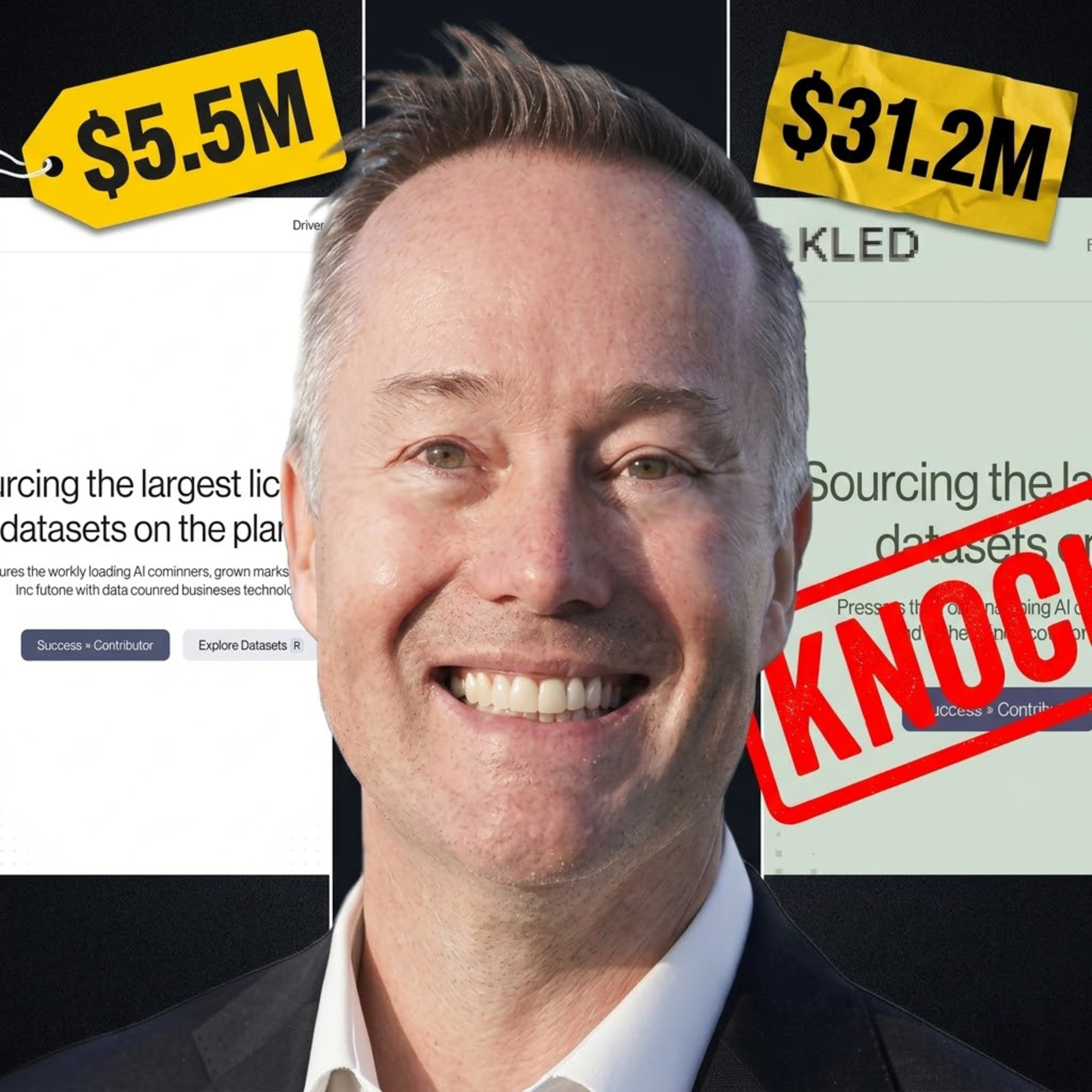
When faced with a blatant copycat and lacking legal resources, a founder's best defense can be a public campaign. This creates social pressure, rallies support, and puts the competitor and their investors on the defensive, as Kled founder Avi Patel demonstrated.
Y Combinator's deal flow has become so dominant that VCs who previously avoided it now attend Demo Day to stay competitive, with some even considering investing against their fund's explicit mandate to avoid missing out on top-tier companies.